
How far is the Camino from St Jean to Santiago?
Explore the Camino Francés, a 790 km journey of exploration and spiritual insight, from St-Jean-Pied-de-Port to Santiago de Compostela.
How far is the Camino from St Jean to Santiago? Read More »
Embarking on this incredible journey, whether on foot or by bike, is more than a physical adventure – it’s a spiritual and emotional exploration, too. Here, we’re thrilled to share insights, advice, and heartfelt stories that make the Camino de Santiago much more than a simple trek.
Are you a seasoned pilgrim looking to reminisce or seeking new routes to explore? Maybe you’re a curious first-timer seeking guidance, tips, or simply a glimpse into this fascinating world. You’ve found the right place!
Our blog is an open road that weaves through the hearts and minds of those who love the Camino de Santiago. Whether you’re planning a future pilgrimage or walking down memory lane, our articles are penned with love, knowledge, and a genuine desire to assist and inspire.
Join us, explore, and be part of this beautiful Camino community. We are here to guide, support, and walk with you every step of the way. Happy reading, dear pilgrim!
Explore the Camino Francés, a 790 km journey of exploration and spiritual insight, from St-Jean-Pied-de-Port to Santiago de Compostela.
How far is the Camino from St Jean to Santiago? Read More »
Start in Sarria if you have a week and want the Compostela; in Ponferrada if you’re cycling; in León if you have two weeks; in Saint-Jean-Pied-de-Port if you want the whole thing. Those four cover almost everyone. The Camino Francés runs roughly 780km from Saint-Jean-Pied-de-Port to Santiago de Compostela, and you can join it at
Best Starting Points for the Camino Francés Read More »
The ten unmissable stops on the Camino Francés, listed in the order you’ll walk them from Saint-Jean-Pied-de-Port to Santiago: As the most walked of the Camino de Santiago routes — 242,179 pilgrims in 2025, 46% of everyone who reached Santiago (statistics) — the French Way is the best introduction to the food, landscape and people
Things to See on the Camino Frances: 10 Hidden Gems Read More »
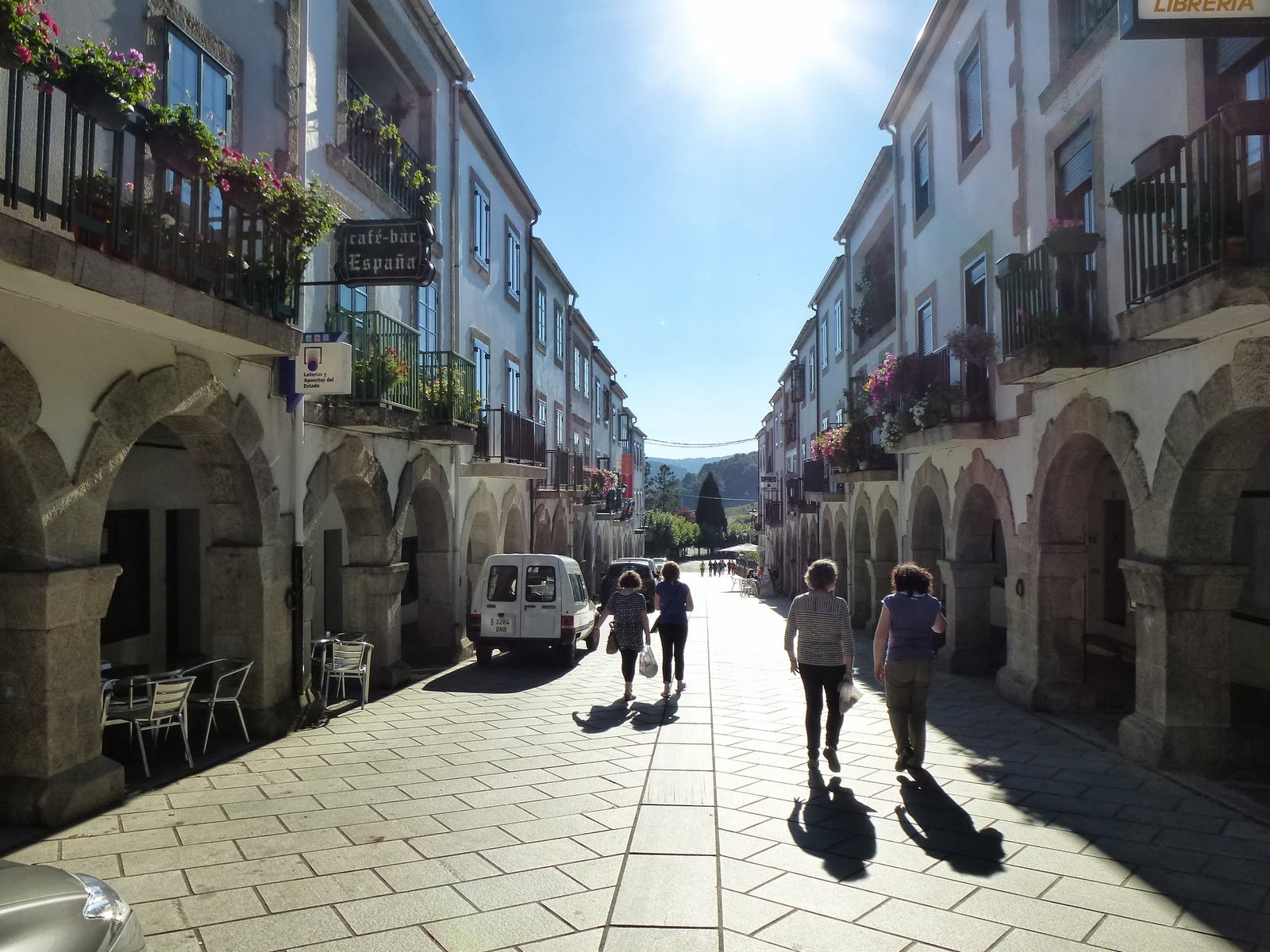
Discover the charm and history of Sarria, a town rich in culture and natural beauty, nestled on the Camino Francés.
Things to do in Sarria on the Camino Francés Read More »
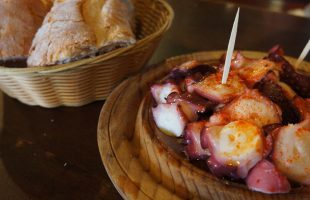
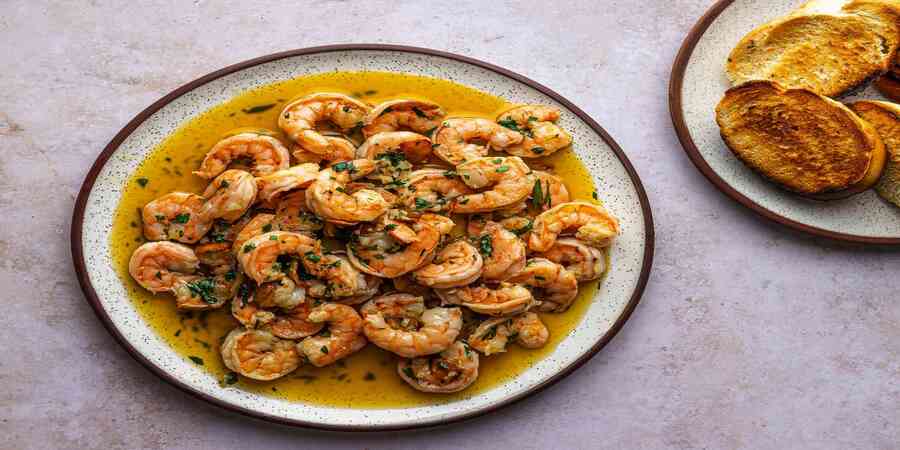
Taste The Camino – 100km of Great Food From Sarria to Santiago Walking the last 100km of the Camino Francés from Sarria to Santiago, these are the eight stops worth planning your day around — one for each night on the route. Book ahead for the farmhouse restaurants and for Casa Marcelo; the rest take
Taste The Camino – 100km of Great Food on the Camino Francés Read More »
Walk the Camino Francés if this is your first Camino, if you want company on the trail, and if you want the widest choice of accommodation, transfers and start points. Walk the Camino del Norte if you have walked before, are comfortable with daily hills, and want the Atlantic coast, seafood and solitude instead of
Which is better: Camino Francés or Camino del Norte? Read More »
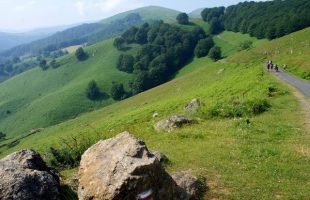
Route Napoleón or Valcarlos? Bottom line: Both routes run from Saint Jean Pied de Port to Roncesvalles on the first day of the Camino Francés. Route Napoléon climbs to 1,450m at the Col de Lepoeder — harder, more scenic, and the one most pilgrims choose. Valcarlos follows the valley to 950m — gentler, more road
Route Napoleón or Valcarlos? Read More »
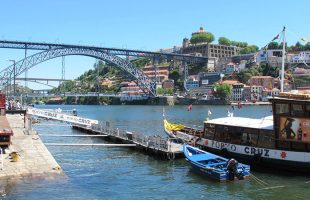
The Camino Portugués from Porto has two starting points, depending on which route you choose. The Camino Portugués Central starts at Porto Cathedral (Sé do Porto) in the historic centre. The Camino Portugués Coastal starts on the seafront at Matosinhos, reached by metro Line A from the city centre to Senhor de Matosinhos station (around
How to start your Camino Portugues in Porto Read More »
The Camino del Norte route along the Camino de Santiago is filled with breathtaking landscapes and rich cultural experiences. One of the highlights of this pilgrimage is undoubtedly the food. The route guides pilgrims through the culinary delights of San Sebastián and Bilbao, both home to an array of Michelin-starred restaurants. This blog will delve
Delicious Food from the Camino del Norte Read More »
Camino Francés, the most famous route of the Camino de Santiago. A charming medieval Basque town in the foothills of the French Pyrenees, it’s where most pilgrims begin the roughly 780 km, 33-to-35-day journey to Santiago de Compostela. It’s also the meeting point of several French pilgrim routes — including Le Chemin du Puy, Vézelay
Saint-Jean-Pied-de-Port – Gateway to the Camino Francés Read More »
León is one of the great cities of the Camino Francés and one of the most popular places to start the Camino de Santiago. Sitting around 300 km from Santiago de Compostela — roughly 12 to 14 days of walking — it’s famous for its soaring Gothic cathedral and more than 1,800 m² of glowing
León Insider’s Guide: What to See on the Camino Francés Read More »
Pamplona is the first major Spanish city on the Camino Francés and one of the most popular places to begin the Camino de Santiago. Starting here lets you skip the demanding Pyrenean crossing while still walking around 700 km (roughly 30 days) to Santiago de Compostela — through Navarre’s vineyards, medieval villages, and the famous
Starting the Camino de Santiago from Pamplona: Guide Read More »
Portomarín: The Town That Moved, on the Camino Francés Portomarín is a historic Galician town on the Camino Francés — famous for having been moved, stone by stone, to higher ground in the 1960s when its original village was flooded by a reservoir. The first major stop after Sarria on the last 100km to Santiago,
The Fascinating History of Portomarín on the Camino Francés Read More »
A Traditional Mountain Village on the Camino Francés O Cebreiro is a traditional mountain village on the Camino Francés, perched at 1,300 metres where El Bierzo gives way to Galicia. With its round, Celtic-style pallozas, its famous creamy cheese and the legend of a Eucharistic miracle linked to the Holy Grail, it’s one of the
O Cebreiro, village on the Camino Francés Read More »
Cruz de Ferro | Camino Frances The Cruz de Ferro (Iron Cross) is the highest point of the Camino Francés — a simple iron cross on a tall wooden pole where, for centuries, pilgrims have left a stone carried from home. Located between the villages of Foncebadón and Manjarín in the mountains of León, it’s
Cruz de Ferro | Camino Frances Read More »
Villafranca del Bierzo is a beautiful mountain town on the Camino Francés, the last major stop before the great climb into Galicia — and one of the most meaningful places on the whole route. Known as ‘la pequeña Compostela’, “little Compostela”, it’s famous for a remarkable privilege: pilgrims who cannot complete the journey to Santiago
Villafranca del Bierzo: Little Compostela Read More »
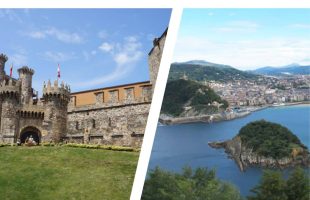
The Templar Castle of Ponferrada (Castillo de los Templarios) is a 12th-century fortress in north-west Spain, raised by the Knights Templar to protect pilgrims on the Camino de Santiago. Covering some 16,000 square metres above the River Sil, it is one of the largest and most impressive castles in Spain, one of the great historical
The Castillo de los Templarios of Ponferrada Read More »
Ponferrada is a historic town in the El Bierzo region of north-west Spain and one of the last major stops on the Camino Francés before Santiago de Compostela. It takes its name from a medieval iron-reinforced bridge built for pilgrims, and today it’s best known for its striking Knights Templar castle, its handsome old town,
Ponferrada and the Iron Bridge: The Origin of its Name Read More »
New Year’s Eve is a time of celebration all around the world, even on the Camino de Santiago. From counting down to midnight and whatever New Year’s Eve tradition you adopt at home, it’s a time when we reflect on the good things the year has brought (and maybe even say good riddance to some
Try Your Luck With This Spanish New Year’s Eve Tradition Read More »
Discover how difficult the Camino Frances is, the 780 km French Way journey from Saint-Jean-Pied-de-Port to Santiago de Compostela.
How difficult is the Camino Francés? Read More »