Pamplona is the first major Spanish city on the Camino Francés and one of the most popular places to begin the Camino de Santiago. Starting here lets you skip the demanding Pyrenean crossing while still walking around 700 km (roughly 30 days) to Santiago de Compostela — through Navarre’s vineyards, medieval villages, and the famous Alto del Perdón. Capital of the former Kingdom of Navarre, Pamplona sits in a valley called the Cuenca de Pamplona, where the mountainous north meets the Ebro Valley, and it welcomes pilgrims with a rich blend of history, culture, and Navarrese food and wine.
Table of contents
- Where is Pamplona, and how do I get there?
- Climate: when is the best time to walk from Pamplona?
- The heart of Pamplona: what to see in the old town
- The San Fermín festival and the Running of the Bulls
- Pamplona on the Camino Francés: the first Spanish city
- Exploring Pamplona Beyond the Camino
- Planning Your Camino de Santiago Journey
- Contact Our Camino Experts
- FAQs
Where is Pamplona, and how do I get there?
Pamplona lies 92 km from San Sebastián and 407 km from Madrid, making it easy to reach by bus, train, or car before you start walking. Its central location is a big reason it’s one of the best starting points on the Camino Francés: you can fly into Bilbao, San Sebastián, or Madrid and connect onward the same day.
Climate: when is the best time to walk from Pamplona?
Pamplona has an oceanic climate with continental Mediterranean influences. Summers are mild to hot and relatively dry, while winters are cold, and the mountainous surroundings bring a fair amount of rain through spring and autumn. For most pilgrims, late May to early October is the most comfortable window, with May, June, and September offering warm days without the peak heat or the San Fermín crowds.
The heart of Pamplona: what to see in the old town
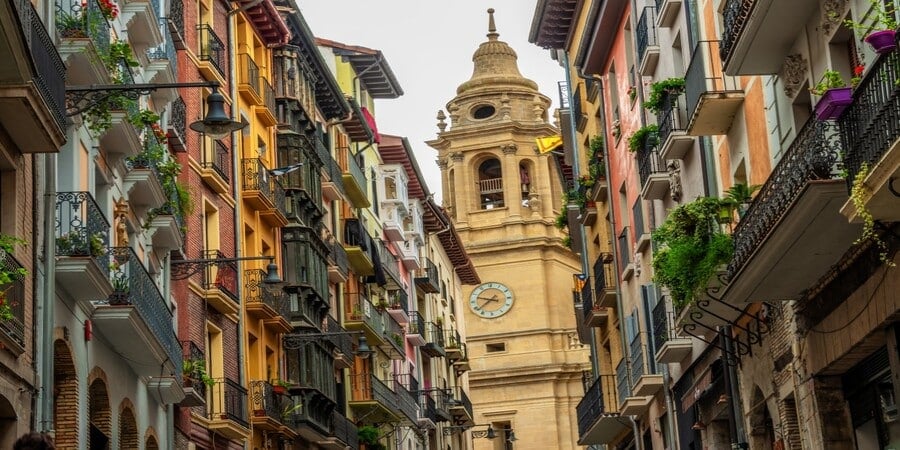
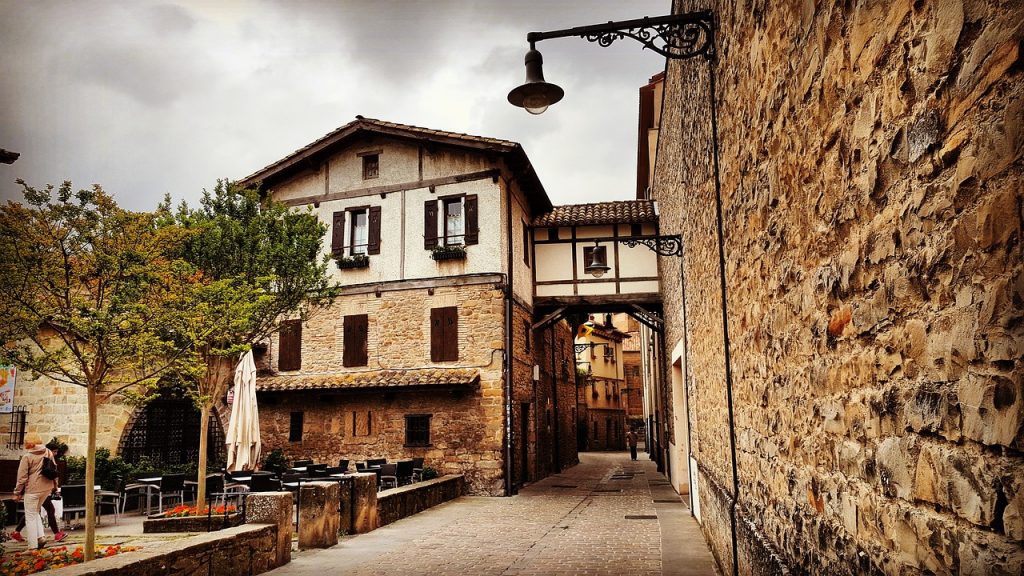
Pamplona’s historic centre sits on the right bank of the Arga River, a tributary of the Ebro, though the city has since spread to both banks. The old town is a maze of narrow streets and ancient buildings that reward an afternoon of wandering before you set off.
Two landmarks anchor a first visit. Pamplona Cathedral (Santa María la Real) combines a neoclassical façade with a Gothic interior and a beautiful cloister. For museums, the Museo de Navarra showcases the region’s archaeological and artistic heritage, while the Museo Diocesano, housed in the cathedral, is dedicated to religious art.
The San Fermín festival and the Running of the Bulls
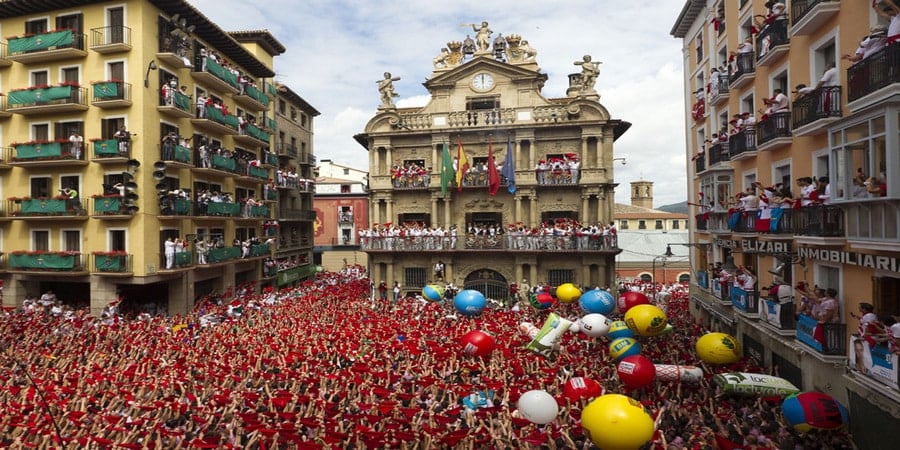
Pamplona is known worldwide for the San Fermín festival, held every year from 6 to 14 July — one of the highlights on the Camino festivals calendar. Popularised by Ernest Hemingway in The Sun Also Rises, “Sanfermines” honours Saint Fermin, co-patron of Navarre. The festival opens with the chupinazo rocket at noon on 6 July and closes with the singing of Pobre de Mí on the night of 14 July.
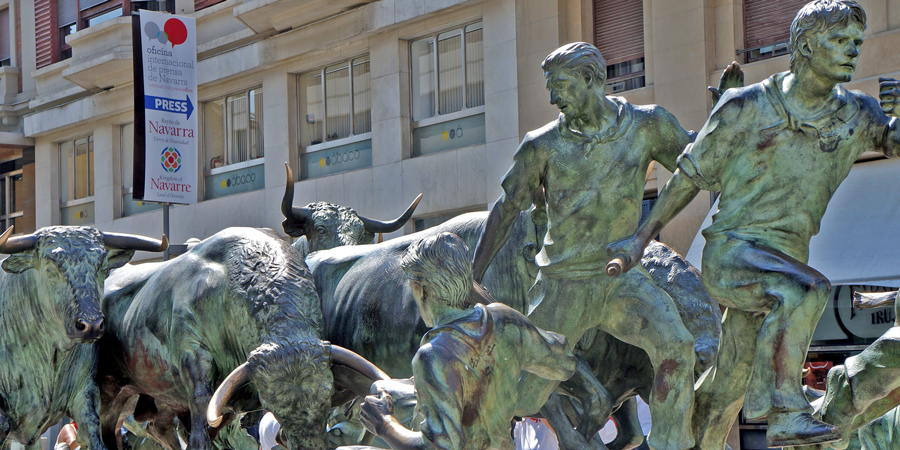
Its most famous event is the encierro, or Running of the Bulls, held each morning of the festival. Runners sprint ahead of the bulls as they’re led from their corrals to the bullring along an 875-metre course through the old town. What began as a practical way to move the animals now draws over a million visitors each year.
A note for pilgrims: if you plan to start your Camino during San Fermín, book accommodation months in advance — beds around Pamplona fill up fast and prices rise sharply during the festival.
Origins and Significance
The San Fermín festival, also known as Sanfermines, was popularised by Ernest Hemingway in his novel The Sun Also Rises. The festival honours Saint Fermin, co-patron of Navarre, and features various traditional and folkloric events. It begins with the setting off of the chupinazo on July 6 and ends with the singing of Pobre de Mí on July 14.
Pamplona on the Camino Francés: the first Spanish city
Coming from St. Jean Pied de Port, Pamplona is the first major Spanish city on the Camino Francés, reached after the Pyrenean stages through Roncesvalles and Zubiri. That makes it a natural checkpoint — and, for many, a starting line.
Why start your Camino in Pamplona?
Beginning here lets you skip the toughest climb of the whole route, the crossing from France over the Pyrenees, while still enjoying a full, richly historic pilgrimage. You also get to experience a genuine Camino city — its culture, cathedral, and cuisine — before you take your first steps west toward Santiago de Compostela.
Exploring Pamplona Beyond the Camino
Cultural and Culinary Delights
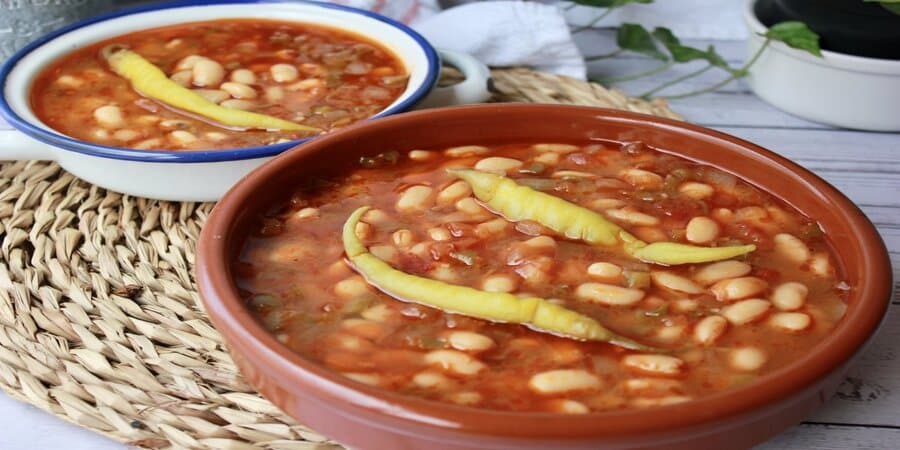
Pamplona is more than just a stop on the Camino; it’s a destination in its own right. The city offers a rich cultural experience with its museums, historic sites, and festivals. Pamplona is also a culinary hub known for its traditional Navarrese cuisine. Visitors can enjoy local dishes like pochas (a type of bean stew) and chuletón (a thick T-bone steak), paired with excellent local wines.
The Beauty of Cuenca de Pamplona
Mountains surround the rounded Cuenca de Pamplona, offering stunning landscapes and outdoor activities. Hiking, cycling, and nature walks are popular among visitors who want to explore the region’s natural beauty.
Visiting the Arga River
The Arga River, which runs through Pamplona, is a beautiful place to relax and enjoy nature. The riverbanks are perfect for strolls, and several parks along the river offer spots for picnics and relaxation.
Planning Your Camino de Santiago Journey
Starting Points and Routes
Pamplona is an excellent starting point for walking the Camino de Santiago. Whether you begin your journey in St. Jean Pied-de-Port or Pamplona, you’ll experience the region’s rich history and culture.
What to Expect on the Camino from Pamplona
The Camino from Pamplona offers picturesque landscapes, historic villages, and a deep sense of tradition. As you walk, you’ll pass through scenic countryside, vineyards, and charming towns, each with its own unique character.
Contact Our Camino Experts
For more information on starting your Camino in Pamplona or any other Camino de Santiago route, contact us. We’re here to help you plan every aspect of your journey, ensuring a memorable and fulfilling pilgrimage. Plan your Camino effortlessly and get an instant quote with our Camino Planner.
FAQs
Walking the Camino Francés from Pamplona to Santiago de Compostela takes most pilgrims around 30 to 32 days, covering roughly 700 km at about 23 km per day.
Yes. Pamplona is one of the best starting points on the Camino Francés because it lets you avoid the steep Pyrenean crossing while still walking a long, historic route to Santiago.
The first stage is Pamplona to Puente la Reina, about 24 km, climbing to the Alto del Perdón (around 790 m). See the full Camino from Pamplona route.
Late May to early October is ideal. Avoid 6–14 July unless you specifically want to experience San Fermín, when the city is extremely crowded.
San Fermín runs every year from 6 to 14 July — check the Camino festivals calendar to plan around it.
Approximately 700 km along the Camino Francés, passing through Navarre, La Rioja, Castilla y León, and Galicia.
No. The stages are moderate, and starting here is less demanding than St. Jean Pied de Port because it skips the hardest climb over the Pyrenees.