Jonathan

Written by Jonathan

Jonathan is the Marketing and Content Manager at CaminoWays.com. Originating from Dublin, Ireland, he has an immense love of exploring new places. With a strong commitment to showcasing destinations accessible to individuals with mobility challenges, he has traversed numerous countries across five continents. His journeys have taken him to iconic locations such as Bondi Beach in Sydney, the historic city of Kyoto in Japan, and the scenic landscapes of Cape Town in South Africa. Continually in search of new adventures, he is eager to explore more of the world.

Cost of the Camino de Santiago

How much does the Camino de Santiago cost?

Walking the Camino de Santiago typically costs €40 to €90 per day for a budget pilgrim staying in albergues and self-organising, or €100 to €180 per day for a fully supported trip with hand-picked hotels, daily luggage transfers and pre-booked accommodation. The last 100 km of the Camino Francés (Sarria to Santiago) — the most […]

How much does the Camino de Santiago cost? Read More »

Walking the Camino de Santiago typically costs €40 to €90 per day for a budget pilgrim staying in albergues and self-organising, or €100 to €180 per day for a fully supported trip with hand-picked hotels, daily luggage transfers and pre-booked accommodation. The last 100 km of the Camino Francés (Sarria to Santiago) — the most

Lisbon tram

How Long is the Camino Portugués from Lisbon to Porto?

A popular starting point for pilgrims on the Camino Portugués, which has seen a surge in popularity in recent years, is the beautiful city of Lisbon, Portugal’s vibrant capital. Many pilgrims often ask, how long is the Camino from Lisbon to Porto? From Lisbon, pilgrims can follow the Camino Portugués, which stretches all the way

How Long is the Camino Portugués from Lisbon to Porto? Read More »

A popular starting point for pilgrims on the Camino Portugués, which has seen a surge in popularity in recent years, is the beautiful city of Lisbon, Portugal’s vibrant capital. Many pilgrims often ask, how long is the Camino from Lisbon to Porto? From Lisbon, pilgrims can follow the Camino Portugués, which stretches all the way

Where Do You Sleep on the Camino de Santiago?

As soon as you choose which route to take on the Camino de Santiago, the next pressing question inevitably arises: where do you sleep on the Camino? The Camino offers a variety of accommodations to suit different preferences, budgets, and experiences. Accommodation choices include traditional pilgrim hostels or albergues, and charming rural homes, called Casa

Where Do You Sleep on the Camino de Santiago? Read More »

As soon as you choose which route to take on the Camino de Santiago, the next pressing question inevitably arises: where do you sleep on the Camino? The Camino offers a variety of accommodations to suit different preferences, budgets, and experiences. Accommodation choices include traditional pilgrim hostels or albergues, and charming rural homes, called Casa

Path through the countryside

How long is the Camino de Santiago?

“How long is the Camino de Santiago?” is a question often asked by those planning this famous pilgrimage. The answer is both simple and complex. The Camino can be as long or as short as you want it to be. There are several different Camino routes with various starting points, each offering its own length,

How long is the Camino de Santiago? Read More »

“How long is the Camino de Santiago?” is a question often asked by those planning this famous pilgrimage. The answer is both simple and complex. The Camino can be as long or as short as you want it to be. There are several different Camino routes with various starting points, each offering its own length,

ETIAS – European Travel Information and Authorization System

Do Non-Europeans Need a Visa to Walk the Camino de Santiago?

Do I Need a Visa for the Camino de Santiago? Most non-European pilgrims do not need a visa to walk the Camino de Santiago. Citizens of 59 visa-exempt countries (including the US, UK, Canada, Australia, New Zealand, Brazil and Japan) can enter Spain for up to 90 days within any 180-day period. From late 2026,

Do Non-Europeans Need a Visa to Walk the Camino de Santiago? Read More »

Do I Need a Visa for the Camino de Santiago? Most non-European pilgrims do not need a visa to walk the Camino de Santiago. Citizens of 59 visa-exempt countries (including the US, UK, Canada, Australia, New Zealand, Brazil and Japan) can enter Spain for up to 90 days within any 180-day period. From late 2026,

Pilgrim’s Mass in The Cathedral of Santiago de Compostela

Pilgrim’s Mass in The Cathedral of Santiago de Compostela Many pilgrims who finish their Camino in Santiago de Compostela often want to attend a particular pilgrim’s mass in the cathedral. It’s the ultimate reward after the long journey to the city. If you are hoping to attend mass when you are in Santiago, there are

Pilgrim’s Mass in The Cathedral of Santiago de Compostela Read More »

Pilgrim’s Mass in The Cathedral of Santiago de Compostela Many pilgrims who finish their Camino in Santiago de Compostela often want to attend a particular pilgrim’s mass in the cathedral. It’s the ultimate reward after the long journey to the city. If you are hoping to attend mass when you are in Santiago, there are

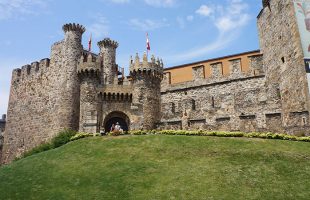
Sarria Castle

Which Camino is Best for a First Time Pilgrim?

Camino de Santiago for Beginners – Choosing the Right Camino Route If you’re new to the Camino de Santiago, choosing the best Camino route for your first pilgrimage can be overwhelming. Each Camino de Santiago route offers its unique charm, but some paths are particularly beginner-friendly. In this guide, we’ll explore two popular routes— the

Which Camino is Best for a First Time Pilgrim? Read More »

Camino de Santiago for Beginners – Choosing the Right Camino Route If you’re new to the Camino de Santiago, choosing the best Camino route for your first pilgrimage can be overwhelming. Each Camino de Santiago route offers its unique charm, but some paths are particularly beginner-friendly. In this guide, we’ll explore two popular routes— the

Lucca – 5 Must-see and do

The beautiful walled city of Lucca stands as one of the true highlights of the Via Francigena, Italy’s celebrated pilgrimage trail from Canterbury to Rome. Many walkers choose to begin their Tuscan journey here, heading south toward Siena through some of the most rewarding walking country in Europe. While some opt to start in San

Lucca – 5 Must-see and do Read More »

The beautiful walled city of Lucca stands as one of the true highlights of the Via Francigena, Italy’s celebrated pilgrimage trail from Canterbury to Rome. Many walkers choose to begin their Tuscan journey here, heading south toward Siena through some of the most rewarding walking country in Europe. While some opt to start in San

Viterbo

Viterbo – Explore Italy’s Medieval Gem

Viterbo on the Via Francigena: Explore Italy’s Medieval Gem Nestled in the Lazio region of central Italy, Viterbo offers one of the most captivating glimpses into the medieval world that any traveller or pilgrim could hope to find. As the most popular starting point for the last 100km of the Via Francigena to Rome, it

Viterbo – Explore Italy’s Medieval Gem Read More »

Viterbo on the Via Francigena: Explore Italy’s Medieval Gem Nestled in the Lazio region of central Italy, Viterbo offers one of the most captivating glimpses into the medieval world that any traveller or pilgrim could hope to find. As the most popular starting point for the last 100km of the Via Francigena to Rome, it

San Gimignano: Must-Visit Hilltop Town

San Gimignano, a medieval hilltop town in Tuscany, is a jewel along the Via Francigena. It is a key stop while walking from Lucca to Siena on this historic pilgrimage route, making it an essential part of the experience. With its unique skyline, rich history, and breathtaking views, this town offers visitors an unforgettable experience.

San Gimignano: Must-Visit Hilltop Town Read More »

San Gimignano, a medieval hilltop town in Tuscany, is a jewel along the Via Francigena. It is a key stop while walking from Lucca to Siena on this historic pilgrimage route, making it an essential part of the experience. With its unique skyline, rich history, and breathtaking views, this town offers visitors an unforgettable experience.

vineyard, series, mountain-1612092.jpg

The Val d’Orcia is The Must-See Area of Tuscany

Historical Significance The Val d’Orcia in Tuscany is a must-see region on the Via Francigena and a key highlight of the Camino to Rome. This historic route, originally known as Via Cassia, has crossed the Val d’Orcia since Roman times. Over the centuries, the Via Francigena has played a vital role in facilitating trade and

The Val d’Orcia is The Must-See Area of Tuscany Read More »

Historical Significance The Val d’Orcia in Tuscany is a must-see region on the Via Francigena and a key highlight of the Camino to Rome. This historic route, originally known as Via Cassia, has crossed the Val d’Orcia since Roman times. Over the centuries, the Via Francigena has played a vital role in facilitating trade and

colosseum, europe, italy-792202.jpg

Rome in a Day: Your Complete Guide to a One-Day Adventure

As the final destination of the Via Francigena, Rome welcomes pilgrims with its rich history, breathtaking architecture, and vibrant atmosphere. While one day isn’t enough to uncover all its wonders, 24 hours is plenty of time to soak in its charm. If you’re ready to experience a taste of la dolce vita, here’s how to

Rome in a Day: Your Complete Guide to a One-Day Adventure Read More »

As the final destination of the Via Francigena, Rome welcomes pilgrims with its rich history, breathtaking architecture, and vibrant atmosphere. While one day isn’t enough to uncover all its wonders, 24 hours is plenty of time to soak in its charm. If you’re ready to experience a taste of la dolce vita, here’s how to

Vatican, Rome, Via Francigena

Rome – The Perfect End to the Via Francigena

What to see and do in Rome After completing the Via Francigena from Viterbo to Rome — the last 100km that earns you the Testimonium certificate — take an extra day to soak in the magic of the Eternal City. For a full hour-by-hour itinerary of how to spend your day in Rome after arriving

Rome – The Perfect End to the Via Francigena Read More »

What to see and do in Rome After completing the Via Francigena from Viterbo to Rome — the last 100km that earns you the Testimonium certificate — take an extra day to soak in the magic of the Eternal City. For a full hour-by-hour itinerary of how to spend your day in Rome after arriving

Top things to do in Siena

Siena, a gem in the heart of Tuscany, is one of the most captivating stops along the Via Francigena. This UNESCO World Heritage city is a testament to Gothic architecture, blending harmoniously with its stunning Tuscan surroundings. As you walk the Via Francigena, a pilgrimage route that takes you through some of Italy’s most historic

Top things to do in Siena Read More »

Siena, a gem in the heart of Tuscany, is one of the most captivating stops along the Via Francigena. This UNESCO World Heritage city is a testament to Gothic architecture, blending harmoniously with its stunning Tuscan surroundings. As you walk the Via Francigena, a pilgrimage route that takes you through some of Italy’s most historic

15 Interesting Via Francigena Facts To Know

The Via Francigena trail might not be as well known as the Camino de Santiago, but it has been a path taken by pilgrims across Europe for centuries. We explain the Via Francigena, the Camino to Rome, in 15 exciting and simple facts: 15 Via Francigena Facts Distance and Route Historical Significance Pronunciation and Recognition

15 Interesting Via Francigena Facts To Know Read More »

The Via Francigena trail might not be as well known as the Camino de Santiago, but it has been a path taken by pilgrims across Europe for centuries. We explain the Via Francigena, the Camino to Rome, in 15 exciting and simple facts: 15 Via Francigena Facts Distance and Route Historical Significance Pronunciation and Recognition

The Pilgrimage to Rome: Walking the Via Francigena

For over a thousand years, pilgrims have walked to Rome. Not driven, not sailed — walked. Through the Alps, across the plains of Tuscany, down through the medieval towns of Lazio, and finally into the Eternal City itself. The Via Francigena is the route they followed, and it remains today one of the great pilgrimages

The Pilgrimage to Rome: Walking the Via Francigena Read More »

For over a thousand years, pilgrims have walked to Rome. Not driven, not sailed — walked. Through the Alps, across the plains of Tuscany, down through the medieval towns of Lazio, and finally into the Eternal City itself. The Via Francigena is the route they followed, and it remains today one of the great pilgrimages

Join Our Newsletter

Plan your CaminoPlan
Scroll to Top