
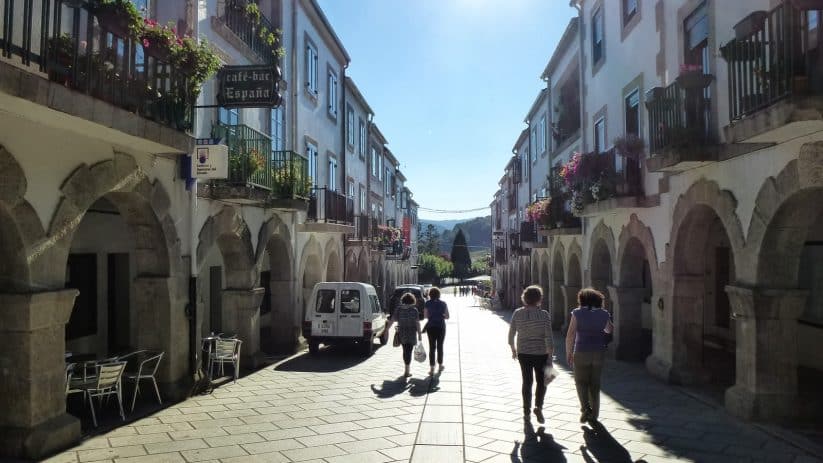
Sarria is the most popular place to start the Camino de Santiago in the world. In 2025, 162,076 pilgrims began here — 30.5% of everyone who reached Santiago. It sits just past the 100km mark of the Camino Francés, the minimum distance needed to earn the Compostela certificate, and it is a real Galician town worth arriving a day early for.
Five things to do before you walk out:
- Wander the Rúa Maior, the cobbled old street of stone houses, pilgrim shops and bars.
- Climb to the remains of Sarria Castle for the view over the Lugo countryside.
- Visit the Convento de la Magdalena, the town’s most important monument.
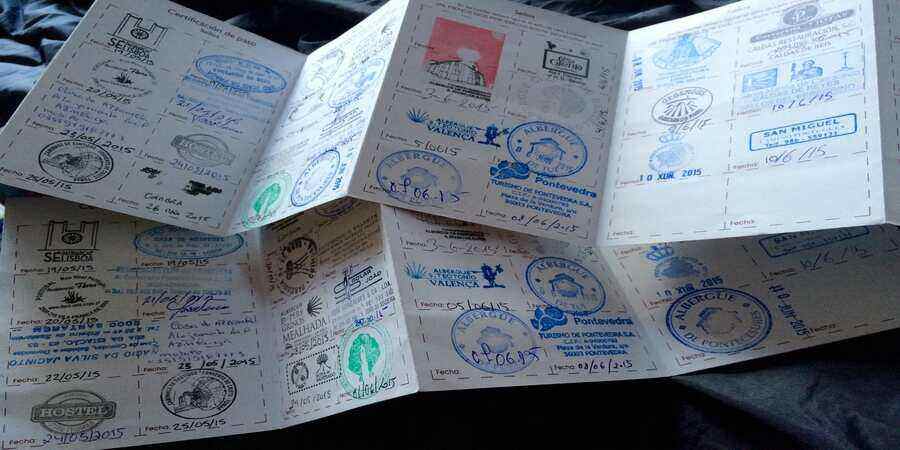
- Collect your first sello in your pilgrim credential.
- Eat pulpo á feira and caldo galego, then get an early night.
Starting here? See the Sarria to Santiago itinerary — 111km, six nights, self-guided — or talk to a Camino specialist.
Table of contents
Sarria at a glance
| Where | Province of Lugo, inland Galicia, north-west Spain |
| Route | Camino Francés, five stages from Santiago |
| Distance to Santiago | 111km — just over the 100km minimum |
| Days needed | 5 walking days, 6 nights |
| Why start here | Shortest walk that qualifies for the Compostela |
| Pilgrims starting here (2025) | 162,076 — 30.5% of all pilgrims worldwide, the world’s #1 starting point (statistics) |
| Next stop | Portomarín, 22km |
| Known for | Rúa Maior, the Magdalena convent, pulpo, and the best pilgrim outfitters on the route |
Why Sarria is the world’s most popular Camino starting point
The rule is simple: to earn the Compostela you must walk the final 100km into Santiago de Compostela. On the Camino Francés, Sarria is the first town comfortably past that line. That is why almost a third of all pilgrims worldwide begin here — more than five times the number who start the full route at Saint-Jean-Pied-de-Port. Compare the alternatives in our guides to the best starting points for the Camino Francés and the top Camino starting points across all routes.
It also means Sarria is busy. Arrive the day before, leave at first light, and the mornings are largely yours.
Discover the Historical and Cultural Heritage
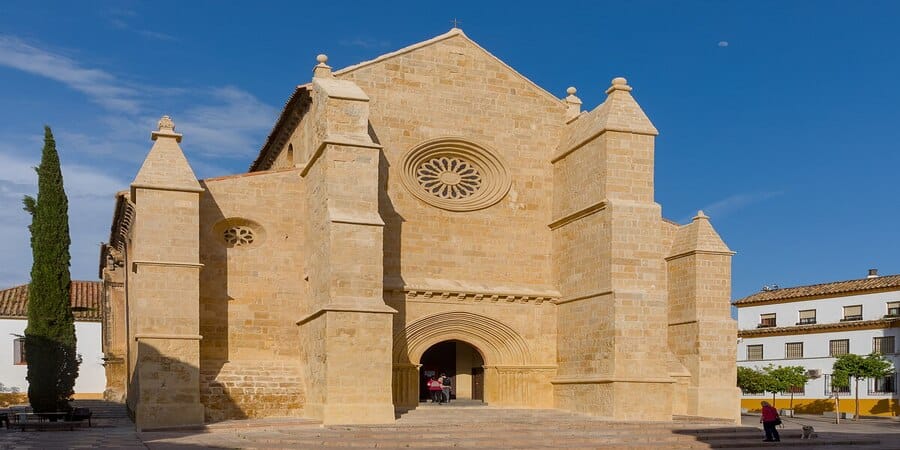
Sarria is rich in history, with several landmarks that provide a glimpse into its fascinating past. The Church of Santa Mariña, with its Romanesque architecture, is a serene and beautiful spot to begin your exploration. Its simple yet striking design makes it a favourite among visitors and pilgrims. Another historical treasure is the Monastery of La Magdalena, founded in the 12th century by Augustinian monks. This monastery features a mix of Gothic and Renaissance architectural styles, and its peaceful atmosphere invites reflection.
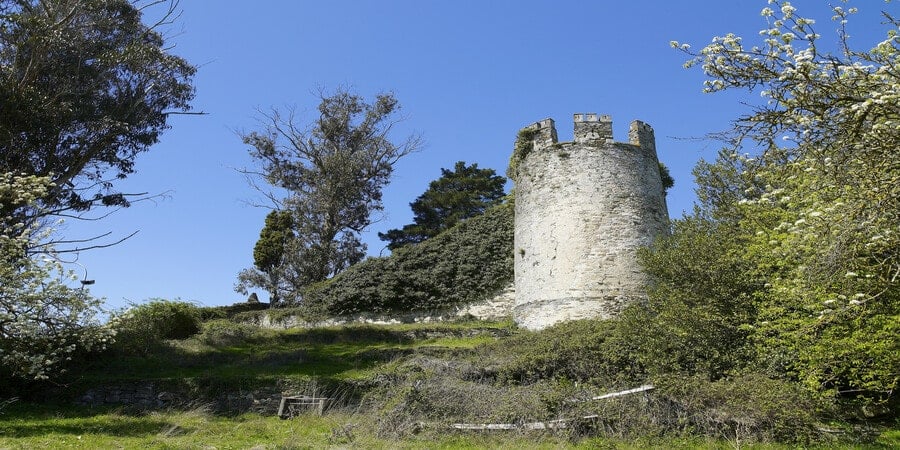
For those who enjoy panoramic views, climbing the hill to the remains of Sarria Castle is well worth the effort. Although only parts of the castle remain, the vantage point offers breathtaking views of the surrounding countryside. The nearby Chapel of San Salvador blends Romanesque and Gothic elements and is another noteworthy site that speaks to the town’s historical significance.
The Rua Maior, the main street in the old quarter, is a delightful place to wander. Its cobblestone streets, traditional stone houses, and small shops create a nostalgic atmosphere, perfect for an unhurried stroll.
What to eat in Sarria
Sarria’s gastronomy is a highlight for any visitor. Sampling the region’s specialities is an experience not to be missed. Indulge in pulpo a la gallega (Galician-style octopus), caldo galego (a hearty soup), or savoury empanadas made with fresh, local ingredients. For dessert, don’t miss the Tarta de Santiago, a delicious almond cake that pairs beautifully with a cup of café con leche. If you’re intrigued by the culinary delights of the region, explore the 10 Most Delicious Galician Dishes on the Camino for even more inspiration.
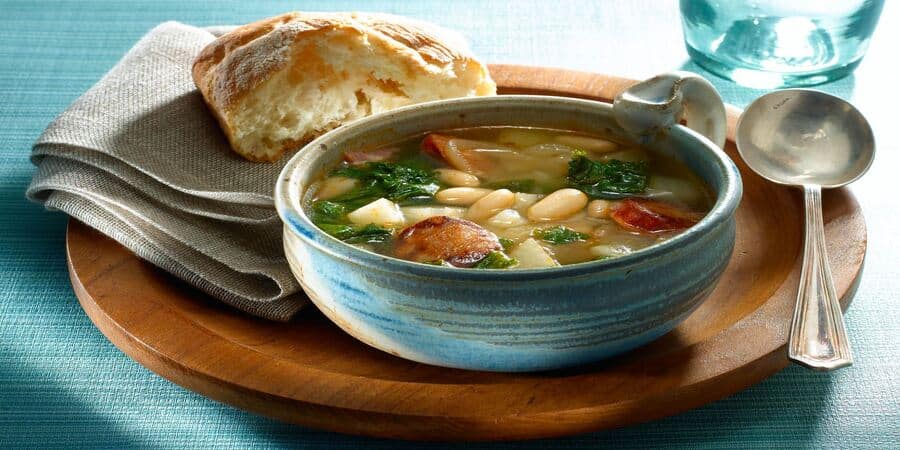
Local restaurants and cafes provide a warm, inviting atmosphere where you can rest after a day of exploration or walking. Many establishments also cater to pilgrims, offering special menus to fuel your journey.
Pilgrim culture: what to do before you set off
Sarria is a town deeply connected to the Camino de Santiago, and the pilgrim culture is evident everywhere.
- Get your credential and first stamp. Bars, albergues, the churches and the tourist office all stamp. From Sarria you need two stamps a day, not one — this is the stretch the Pilgrim’s Office checks. See the pilgrim passport and certificates guide and the difference between the Compostela and the certificate of distance.
- Buy what you forgot. Sarria has the best-stocked outfitters on the Camino Francés — boots, poles, ponchos, blister kits.
- Pick up a scallop shell. Sarria’s leather and jewellery workshops are a living local craft, not just souvenir shops.
- Talk to people. Everyone in the bars on Rúa Maior is starting tomorrow too.
- Listen ahead with our audio guide of the Camino Francés from Sarria.
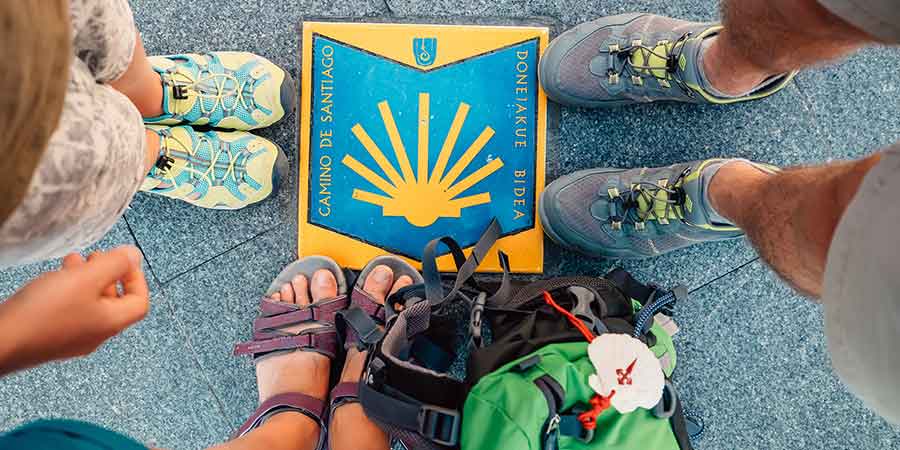
The town features several pilgrim statues and markers, reflecting the community’s pride in its role in the Camino. These landmarks are significant for pilgrims and are beautiful reminders of the journey’s spiritual and historical importance.
Enjoy Nature and Relaxation
Nature lovers will find plenty to appreciate in Sarria. The River Sarria runs through the town, and its tranquil riverside paths are perfect for a peaceful stroll or a moment of quiet contemplation. If you have time, explore the countryside, where lush forests and rolling hills create a stunning landscape that rejuvenates the spirit.
Sarria also offers several parks and green spaces where you can unwind. These areas provide a welcome respite, whether you’re taking a break from walking or simply enjoying the outdoors.
Longer days can be split — Morgade, Ventas de Narón and Melide all work as extra stops on the easy Camino Francés. See the full trip, the guided version, or walk it as a family — walking or cycling. Check the Camino Francés map and how difficult the route is.
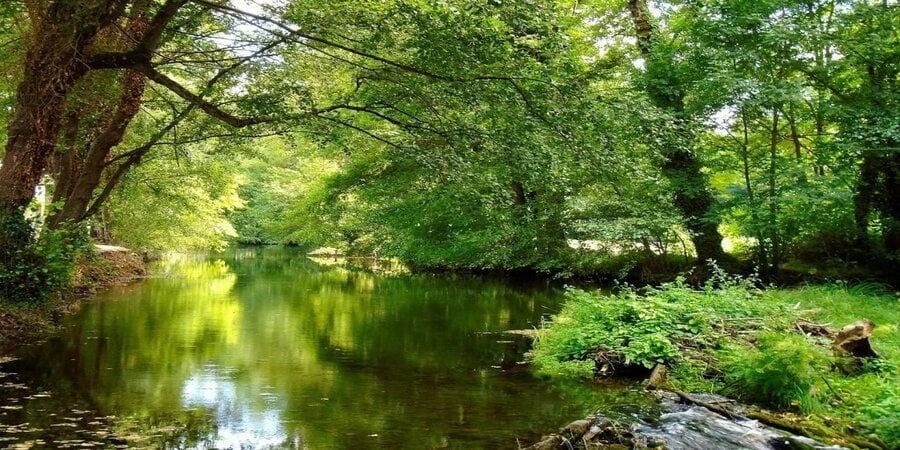
For a more extended adventure, consider short hikes on nearby trails that showcase the natural beauty of Galicia. These routes are less crowded than the Camino and offer a different perspective on the region.
Connect with Local Life and Craftsmanship
Sarria is known for its artisan traditions, particularly leatherwork and jewellery. Visiting local workshops is a wonderful way to see these crafts up close and appreciate the skill involved. Shops in the town sell unique, handmade items that make perfect souvenirs, from scallop shell pendants to Camino-themed trinkets.
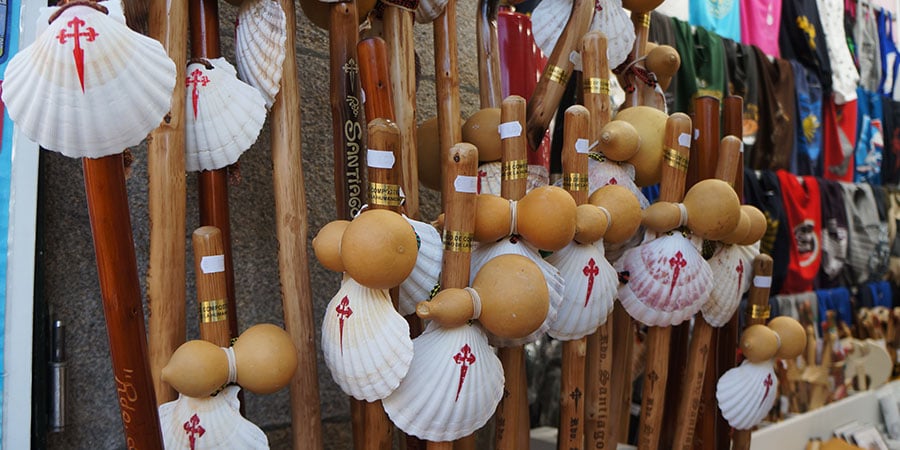
The town’s vibrant markets and shops also offer a glimpse into everyday life in Sarria. Fresh produce, local delicacies, and traditional goods reflect the area’s cultural heritage here.
Plan and Prepare for Your Camino
Sarria is a hub for pilgrims, and the town is well-equipped to support your journey. The local tourist office is a valuable resource for maps, information, and advice about the Camino. They can help you plan the next stages of your walk and ensure you’re prepared for the challenges ahead.
Meeting other pilgrims in Sarria is easy, as the town’s cafes and bars are lively gathering spots. Sharing stories, tips, and encouragement with fellow walkers is one of the most rewarding aspects of the Camino experience.
Sarria is more than a starting point for the Camino Francés; it’s a destination filled with history, culture, and hospitality. Whether exploring its ancient landmarks, savouring its delicious cuisine, or connecting with fellow pilgrims, Sarria offers something special for everyone. Take the time to enjoy this vibrant town and let it enrich your journey on the Camino de Santiago.
Contact us for more information on starting your Camino in Sarria or any other Camino de Santiago route. We’re here to help you plan every aspect of your journey, ensuring a memorable and fulfilling pilgrimage.
FAQs
Because Sarria sits just past the 100km mark of the Camino Francés, the minimum walking distance required for the Compostela certificate. In 2025, 162,076 pilgrims started there — 30.5% of all pilgrims who reached Santiago, making it the most-used starting point in the world.
About 111km on foot, walked over five days with six nights’ accommodation on the standard itinerary. That is comfortably beyond the 100km minimum, so the full walk qualifies for the Compostela.
Five walking days is standard: stages of 22km, 22km, 28km, 23km and 16km. Adding a night in Morgade, Ventas de Narón or Melide splits the longer days for an easier pace.
Yes — arrive the day before you start. Half a day covers the Rúa Maior, the Magdalena convent, the castle viewpoint and the churches, leaves time to buy anything you have forgotten, and lets you begin rested and early, ahead of the crowds.
A neo-Gothic church completed in 1885, built to replace a 12th-century Romanesque church on the same site; only a drawing and one capital of the original survive. Its bell tower is visible across the town and it is one of the first places pilgrims collect a stamp.
At albergues, hotels, most bars on the Rúa Maior, the churches and the tourist office. From Sarria onwards you need two stamps per day to qualify for the Compostela, because you are inside the final 100km.
Inland Galician cooking: pulpo á feira, caldo galego, empanada gallega, Padrón peppers and Tarta de Santiago, with Ribeiro or Mencía wine.
Sarria has its own railway station on the Galician network, plus bus links to Lugo, Monforte de Lemos and Santiago. Most pilgrims fly into Santiago de Compostela or A Coruña and transfer overland; CaminoWays can arrange the transfer as part of your trip — just ask us.
May, June, September and early October give the best mix of weather and trail conditions; July and August are the busiest weeks of the year on this stretch. See which months you can walk the Camino, the Camino weather guide and our tips for walking in hot weather.
