August is one of the hottest months on the Camino de Santiago, with temperatures regularly exceeding 30°C on inland routes. The key to walking comfortably in the heat is simple: start early, pace yourself, stay hydrated, protect your skin and rest during the hottest part of the day (12pm–3pm). On coastal routes like the Camino Portugués and Camino Finisterre, sea breezes make the heat significantly more manageable.
August is one of the most popular months to walk the Camino — but it is also one of the most demanding. With the right preparation, it is entirely doable and deeply rewarding. Here is everything you need to know before you set off. For general fitness preparation, visit our Camino fitness hub and 6-month training plan.
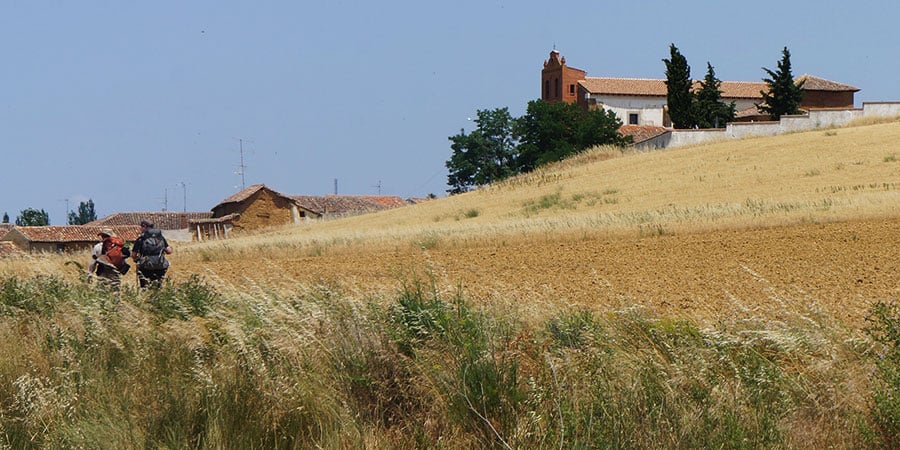
Table of contents
1 – Prepare
Preparation is always key: check the route forecast before you travel and once on the trail research the day ahead. Check if your next stretch of trail has some shaded/wooded areas where you can take a rest from the sun and heat, for instance. Your route notes, maps or guidebook will be useful tools.
If you are still in the planning stages, consider routes that take you along the coast — the Camino Portugués Coastal and Camino Finisterre both offer the possibility of cooler temperatures, sea breezes and evening beach stops. Each of our tour pages has a weather tab with average temperatures and rainfall per month. For a full breakdown of when to walk, see our best time to walk the Camino guide.
2 – Protect
Apply sun lotion before you set off each morning and reapply every two hours — more frequently if you are sweating heavily. Do not forget easily missed areas: calves, the back of your neck, ears and the tops of your feet if you are wearing sandals.
Pack a hat or cap — non-negotiable in August. A lightweight long-sleeved layer in breathable fabric (linen or technical fabric) gives you the option to cover up during the most exposed sections of trail without overheating.
While walking sandals are tempting in the heat, trail or walking shoes protect your feet better from sun, dust and trail surfaces — and are significantly better for blister prevention. See our foot care guide for more.
3 – Stay Hydrated
Drink plenty of water throughout the day — do not wait until you feel thirsty. On a standard summer walking day, aim for at least 2–3 litres. On particularly hot or exposed stages, more.
Carry a refillable water bottle and top up at fountains, cafés and shops along the route — they are plentiful on the main routes. Consider electrolyte tablets on the hottest days to replace minerals lost through sweat. See our best snacks for walking guide for full hydration and nutrition advice on the trail.
4 – Find Your Own Pace
It is extremely important that you find your own pace and don’t try to keep up with others. Walking at your own pace will allow you to manage heat better, taking rests and drink breaks as needed.
5 – Rest During the Hottest Part of the Day
The hottest hours on the Camino are typically between 12pm and 3pm. The smartest approach in August is to start walking early — ideally by 6:30–7am — cover the bulk of your distance in the cooler morning hours, take a proper lunch break in the shade during the heat of the day, and finish the remaining kilometres in the late afternoon when temperatures begin to drop.
If you are travelling with CaminoWays, your accommodation is pre-booked throughout — there is no rush to arrive at a specific time. Take your time and make the most of the cooler parts of the day. Our luggage transfer service also means you are only carrying a light daypack, which makes walking in heat significantly more comfortable.
6 – Listen to your Body
f you feel dizzy, nauseous, excessively tired or notice that you have stopped sweating despite the heat, stop immediately and find shade. These can be signs of heat exhaustion or heat stroke — both serious conditions that require rest, rehydration and, if symptoms are severe, medical attention.
The Camino is not a race. There is no shame in cutting a stage short, resting for an hour or adjusting your plan to suit the conditions. Listening to your body is one of the most important skills on any long-distance trail — and particularly so in August. Read our guide on how to emotionally and mentally prepare for the Camino for more on managing difficult days on the trail.
Best Camino Routes for Hot Weather
Not all routes feel the heat equally. Inland routes — particularly the Camino Francés across the Meseta — can be brutally exposed in August, with little shade and temperatures well above 30°C. Coastal routes are significantly more comfortable. Our top recommendations for summer walking:
The Camino Portugués Coastal from Vigo — flat, coastal and with sea breezes throughout. The most comfortable summer route on the network. The Camino Finisterre — coastal scenery and the option to cool off at the beach in the evenings. The Camino Inglés from Ferrol — shorter, gentler and with coastal sections that benefit from Atlantic breezes.
For a full comparison of routes by terrain and difficulty, see our level of difficulty guide and easiest Camino routes guide.
For more Camino tips, information about the Camino routes or to book your Camino de Santiago trip, contact our travel specialists

FAQs
Temperatures on the Camino in July and August regularly exceed 30°C on inland routes, particularly across the Meseta on the Camino Francés. Coastal routes are cooler — typically 22–26°C with sea breezes. The coolest walking conditions are in spring (April–June) and autumn (September–October). See our best time to walk the Camino guide for a full month-by-month breakdown.
As early as possible — ideally 6:30–7am. Starting early means covering the bulk of your distance in the cooler morning hours before the heat builds. Rest during 12pm–3pm and finish your stage in the late afternoon. This is the most effective strategy for managing summer heat on the Camino.
At least 1–1.5 litres at any time, topped up regularly at fountains, cafés and shops. On a full summer walking day, aim to drink 2–3 litres total. Consider electrolyte tablets to replace minerals lost through sweat. See our snacks and hydration guide for more detail.
Lightweight, breathable, moisture-wicking layers in light colours. A hat or cap is non-negotiable. A lightweight long-sleeved layer for exposed sections. Broken-in walking shoes rather than sandals for better foot protection. Apply and reapply sun lotion throughout the day. Download our Camino packing list for the full kit breakdown.
Yes — thousands of pilgrims walk the Camino in August every year. The key is preparation: start early, pace yourself, stay hydrated and rest during the hottest hours. Be alert to signs of heat exhaustion (dizziness, nausea, stopping sweating) and stop immediately if you experience them. All CaminoWays packages include 24/7 support if you need help on the trail.