
Many of our readers frequently inquire about the minimum distance one needs to walk on the Camino de Santiago to be eligible for the coveted Camino Pilgrim Certificate.
If you are considering walking the Camino, regardless of which route you’d like to take, you must walk at least the last 100km into Santiago de Compostela to receive your pilgrim certificate, which should take 5 to 6 days walking. On average, you will walk 20km per day if you choose to walk the last 100km into Santiago.
When talking about ‘the Camino de Santiago’, most people have in mind the Camino Frances or ‘the French Way’, which is the most popular and well-known of the Camino routes across Europe. However, there are many other Camino de Santiago routes, each increasing in popularity each year.
In this blog post, we will examine the Camino de Santiago Distance of some of the most popular Camino routes.
How long does it take to walk the Camino Frances?
The Camino Frances begins in the picturesque town of St Jean Pied de Port in France, stretching close to 800 kilometres, which is roughly 500 miles. To complete the entire Camino Frances, journeying from St Jean Pied de Port to Santiago de Compostela, it typically requires just over a month, or around 35 days, assuming an average daily walking distance of 25 kilometres.
Back in August 2020, renowned pilgrim Johnny Walker, alongside his companion Stephen Shields, embarked on the full stretch of the Camino Frances. Their day-to-day experiences on this route have been captivatingly documented in this post for you to explore.
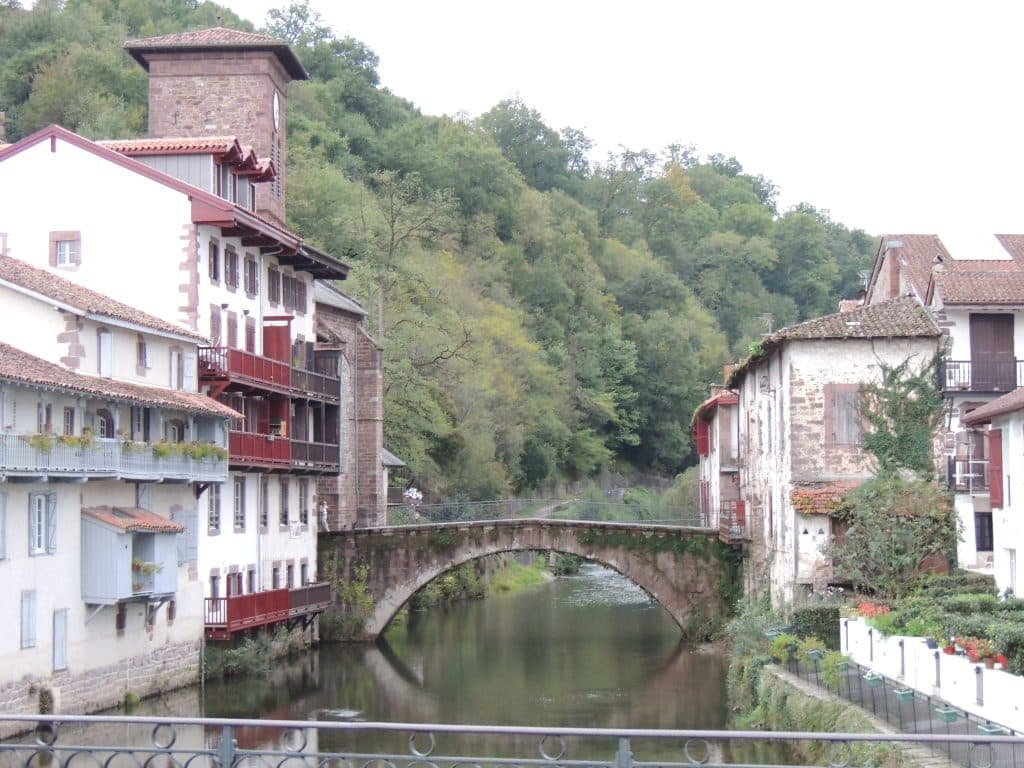
However, a lot of pilgrims choose to include rest days in their itinerary, typically one for each week of walking. These breaks are not only for recuperation but also offer a wonderful opportunity to discover and delight in some of the historic cities and towns along the way. Notable stops include Pamplona, renowned for its exhilarating bull run, the celebrated wine region of La Rioja and its capital, Logroño, as well as Ponferrada, famous for its Templars Castle. Tougher or longer walking days, such as the stage from Villafranca to O Cebreiro are often split in two.
After arriving in Santiago, many pilgrims continue on to Cape Fisterra on the Camino de Fisterra, which would add another 4 walking days to your journey.
The Last 100km of the Camino Frances is the most popular section of this route. Pilgrims start their walk in Sarria and then make their way to Santiago. This is a great route for those seeking a social experience or for first-timers as the camaraderie of the Camino is very evident on the French Way.
How long does it take to walk the Camino Portugues?
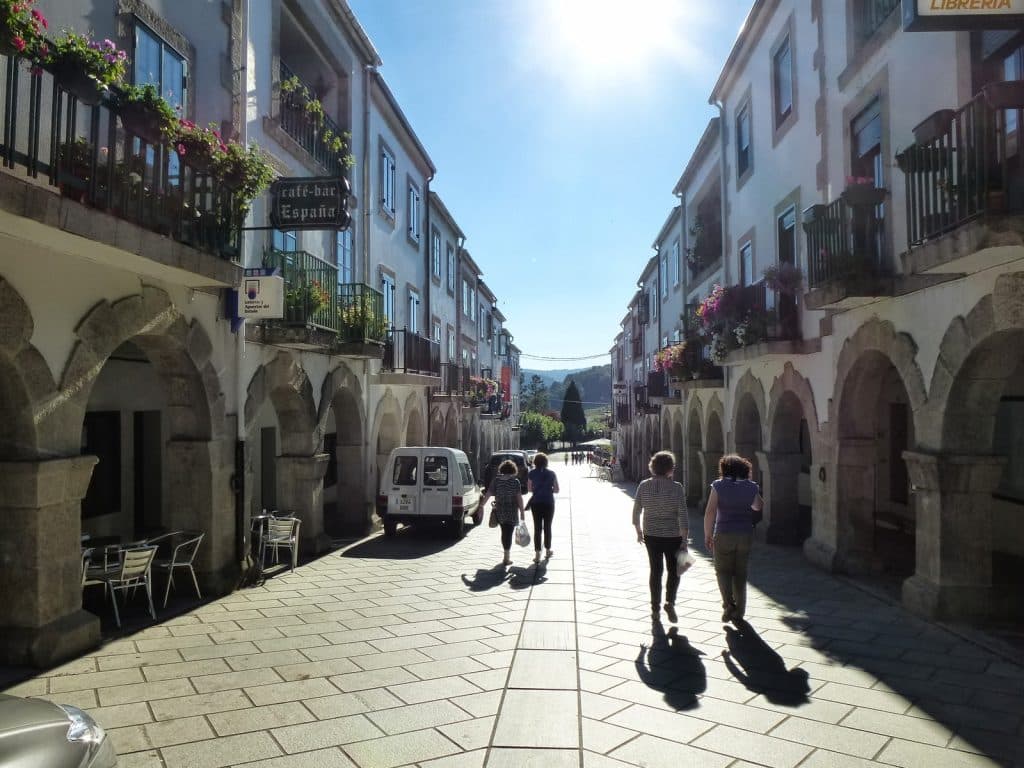
The Full Camino Portugues, extending from Lisbon to Santiago, or Caminho Portugués, spans an impressive 643 kilometres and can be completed over 30 days. This route offers a unique and rustic journey along the Camino de Santiago, ideal for pilgrims seeking a less crowded and more countryside-centric experience. Despite its tranquil nature, this Camino route holds the distinction of being the second most popular among pilgrims, following the renowned Camino Frances.
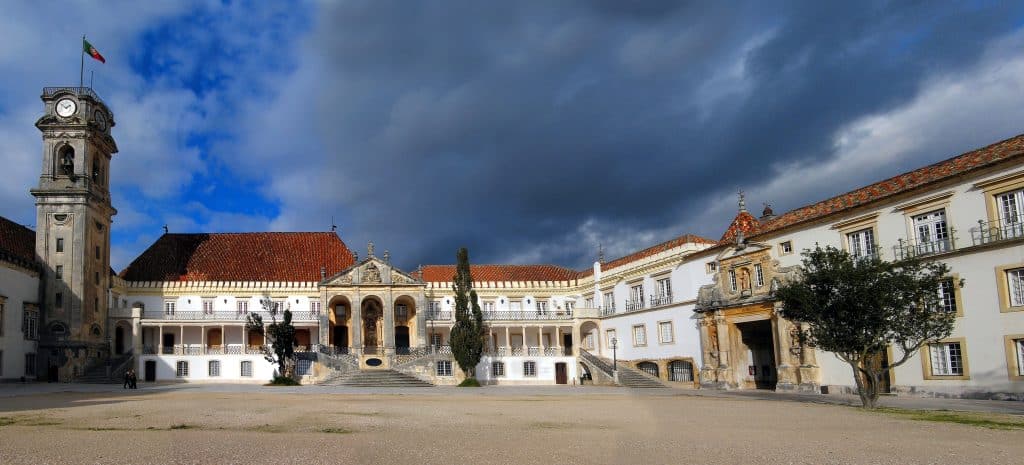
Beginning in Lisbon, the Camino Portugues leads pilgrims through breathtaking landscapes, charming villages, and notable towns. Highlights along the way include Santarém, a historic Moorish stronghold in Portugal; Coimbra, famed for its UNESCO World Heritage-listed university dating back to the 13th century; and the beautiful city of Porto, known for its vibrant riverfront and as the birthplace of Port wine.
Alternatively, Pilgrims can opt to walk the final 100 kilometres of the Camino Portugues Coastal, stretching from Vigo to Santiago, marking the concluding segment of the Portuguese Coastal Route. This scenic trail begins in the vibrant coastal town of Vigo, nestled in the Rías Baixas region, renowned for its exquisite Albariño white wine and sumptuous shellfish. Pilgrims can embark on a 6-day journey from Vigo, culminating in the historic Santiago de Compostela.
How long does it take to walk the other Camino routes?
In 2020, more than half of the pilgrims, accounting for just over 53%, who received their Compostela certificate in Santiago, completed their journey via the Camino Frances route. However, many others opted for lesser-known paths. The Camino Portugues, also known as the Portuguese Way, was the second most popular, drawing around 19% of the pilgrims. Other routes like the Camino del Norte, the Northern Way, as well as the Via Francigena, Camino Finisterre, and Via de la Plata, were also chosen by those seeking different experiences on their pilgrimage.
On average it takes:
- 30 days to walk the Camino de Santiago from Lisbon on the Portuguese Way,
- 14 days to walk the Camino from Porto (along the Portuguese Coastal Way)
- 37 days to walk the Camino del Norte from San Sebastian.
- 20 days to walk the Full Via Francigena from Lucca to Rome.
- 4 days to complete the Camino Finisterre from Santiago to Muxia.
- 8 days to complete the final 100km of the Via de la Plata from Ourense to Santiago.
- One of the shortest Camino routes is the Camino Ingles, the English Way, which is just 118 km from Ferrol to Santiago and would take just 1 week to complete.
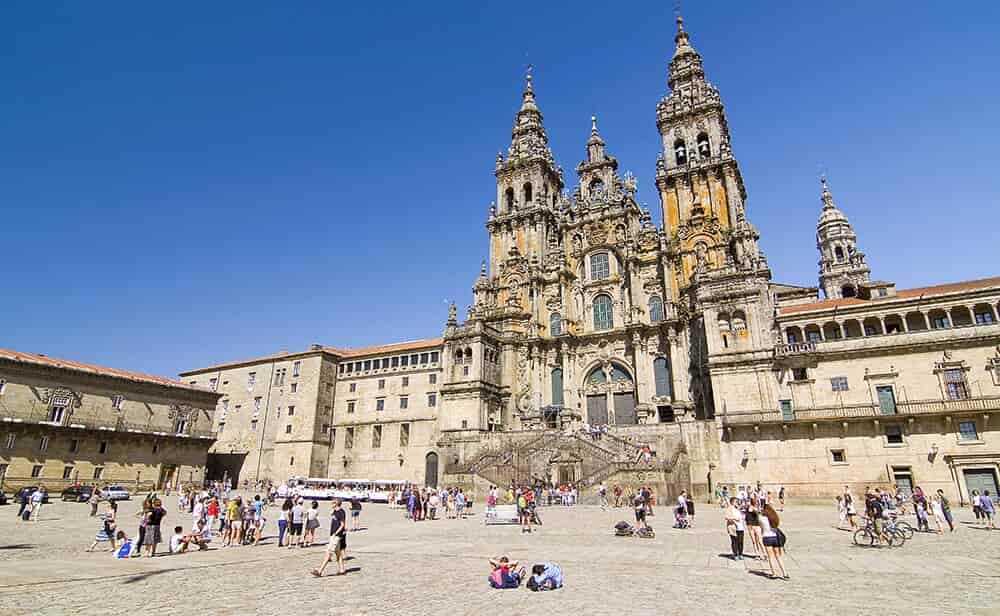
The beauty of the Camino is that you can start and finish at any point so you can adapt the trip to the time you have available and your fitness level.
To help get you in shape for your Camino we have a Camino Fitness Ebook.
If you would like to walk the Camino de Santiago and require additional information or would like to book your Camino trip, contact us.
FAQ
It depends on the route and starting point. The minimum required to earn the Compostela certificate is the last 100 km, which takes 5 to 6 walking days at an average 20 km per day. The full Camino Francés from Saint-Jean-Pied-de-Port takes around 35 days (790 km). The full Camino Portugués from Lisbon takes 30 days (643 km). Most pilgrims walk one-week sections of 100-120 km.
The full Camino Francés from Saint-Jean-Pied-de-Port to Santiago de Compostela takes approximately 35 days, covering nearly 800 km (500 miles) at an average of 25 km per day. Most pilgrims add rest days — one per week — to recover and explore historic cities like Pamplona, Logroño, Burgos, León, and Ponferrada. Tougher stages, like Villafranca to O Cebreiro, are often split in two.
The last 100 km of the Camino Francés from Sarria to Santiago takes 5 to 6 walking days (6-7 nights), at an average of 20 km per day. It’s the most popular section of the entire Camino de Santiago because it qualifies for the Compostela certificate, fits into one week of holiday, and offers the full social camaraderie of the French Way. Perfect for first-time pilgrims.
The full Camino Portugués Central from Lisbon to Santiago covers 643 km and takes around 30 days. From Porto along the Coastal route, it takes 12-14 days (260 km). The last 100 km from Vigo (Coastal) or Tui (Central) takes 6 days. Cyclists can cover Porto to Santiago in 8 days. Daily distances and rest days can be adjusted to suit your pace and available holiday.
The full Camino del Norte from San Sebastián to Santiago takes approximately 37 days, covering 803 km along Spain’s dramatic Atlantic coast. Shorter sections are more common — San Sebastián to Bilbao (1 week), Bilbao to Santander (1 week), and the final 100 km from Vilalba to Santiago (7 nights) for the Compostela certificate. Daily ascents and descents make it slightly slower-paced than the Francés.
The Camino Inglés is one of the shortest Camino routes, with two starting points. From Ferrol to Santiago (119 km) takes 6 walking days and qualifies for the Compostela. From A Coruña (75 km) takes 4 walking days but requires combining with a Celtic Camino in Ireland, Scotland, or Wales to qualify for the Compostela. It’s ideal for pilgrims with limited holiday time.
The full Via Francigena from Canterbury to Rome covers approximately 1,900 km and takes around 3 months. Most pilgrims walk shorter sections. The Italian part from Lucca to Rome (419 km) takes 20 days. The Tuscany section from Lucca to Siena (133 km) takes 7 nights. The final 100 km from Viterbo to Rome takes 6 nights and qualifies for the Testimonium certificate (the Via Francigena’s equivalent of the Compostela).
The minimum is 5-6 walking days (about 1 week total with travel) to complete the last 100 km into Santiago de Compostela and qualify for the Compostela certificate. The Camino Inglés from A Coruña can be walked in 4 days, but doesn’t qualify for the Compostela unless combined with a Celtic Camino route. For the shortest qualifying pilgrimage, most pilgrims choose Sarria (Francés) or Vigo (Portugués Coastal).
The Camino Inglés is the shortest Camino route at 119 km from Ferrol to Santiago (6 days), followed by the Camino Finisterre (90-120 km, 4-6 days, but doesn’t qualify for the Compostela). For pilgrims wanting just the Compostela-qualifying minimum, any route’s final 100 km works — Sarria on the Francés, Vigo on the Portugués, Tui on the Central, or Ourense on the Via de la Plata.
Yes. Walking the final 100 km of any major route in one week is the most popular Camino format, qualifying for the Compostela certificate. Options include Sarria to Santiago (Camino Francés, 6 nights), Vigo to Santiago (Portugués Coastal, 6 nights), Tui to Santiago (Portugués Central, 6 nights), Ferrol to Santiago (Camino Inglés, 6 nights), Vilalba to Santiago (Norte, 7 nights), and Lugo to Santiago (Primitivo, 6 nights).
Most pilgrims walk 20-25 km per day on average. On the last 100 km sections, the average is closer to 20 km daily (easier for beginners). On the full Camino Francés, 25 km daily is standard. Daily distances vary by stage — some days are shorter (15 km) to accommodate difficult terrain like mountain crossings, while flat stages can extend to 30 km for faster walkers.
Plan for your walking days plus 2-3 extra days for travel and arrival in Santiago. For the last 100 km (6-7 walking days), you’ll need about 9-10 days total holiday. For a 2-week Camino, budget 16-17 days. For the full Camino Francés (35 walking days), allow 40-42 days. With CaminoWays self-guided packages, stages are pre-organized so you can plan your holiday precisely.
Cyclists cover roughly double the daily distance of walkers. The full Camino Francés takes around 12-14 days by bike, while the minimum 200 km required for the cyclist’s Compostela certificate takes about 4-5 cycling days — commonly from Ponferrada to Santiago. On the Camino Portugués Coastal, Porto to Santiago (259 km) takes 8 days. Cyclists must complete 200 km minimum to qualify for the Compostela.
Yes, and many pilgrims do. Extending to Cape Fisterra adds 4 walking days (90 km) from Santiago to the Atlantic coast. Continuing to Muxía adds another 2 days, making a total 5-6 night extension (120 km). This is ideal for pilgrims wanting closure after reaching Santiago Cathedral. CaminoWays offers Camino Finisterre packages with accommodation, luggage transfers, and return transfer to Santiago.
A self-guided one-week Camino tour on the final 100 km typically starts from around €700-900 per person, including handpicked hotels, detailed maps, walking notes, and 24/7 support. Prices vary by route, season and accommodation category (standard or superior). Guided group tours start from around €1,200. Flights, meals and personal expenses are additional. Contact CaminoWays for a tailored quote.
The most popular one-week Camino tours are the Camino Francés from Sarria to Santiago (111 km, 6 nights — the classic first Camino), the Camino Portugués Coastal from Vigo to Santiago (100 km, 6 nights — ideal for beginners), and the Camino Inglés from Ferrol to Santiago (119 km, 6 nights — quieter and historic).
For peak season (May-October), book 6-9 months in advance to secure preferred hotels and dates — especially for the last 100 km from Sarria, St James Day departures, and Holy Compostela Years. For shoulder season (March, April, November), 3-4 months is usually enough. The longer your Camino, the further in advance you should book to ensure continuity of quality accommodation throughout.
Yes. CaminoWays offers self-guided Camino tours on every major route, from one-week sections to the full 35-night Camino Francés. You walk independently at your own pace with everything organized — ideal for first-time pilgrims, couples, families, and solo travelers.
The easiest way is to use the CaminoWays Award-Winning Camino Planner — an online tool that lets you choose your route, starting point, dates, pace, and accommodation category. It generates a personalized itinerary with daily distances, hotels, and pricing. Alternatively, you can contact the CaminoWays team directly for expert advice and a custom quote based on your available holiday time, fitness, and preferences.

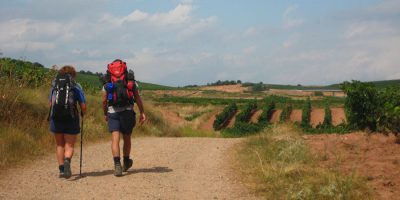
walk to camino de santiago is in very different paths with different distance
Thanks for your work!