Marta Ponte

Written by Marta Ponte

I live in Astorga, right on the Camino Francés, and help walkers plan their Camino with CaminoWays. I've walked the Camino Francés, and I love sharing local tips so your trip feels as easy as it is memorable.

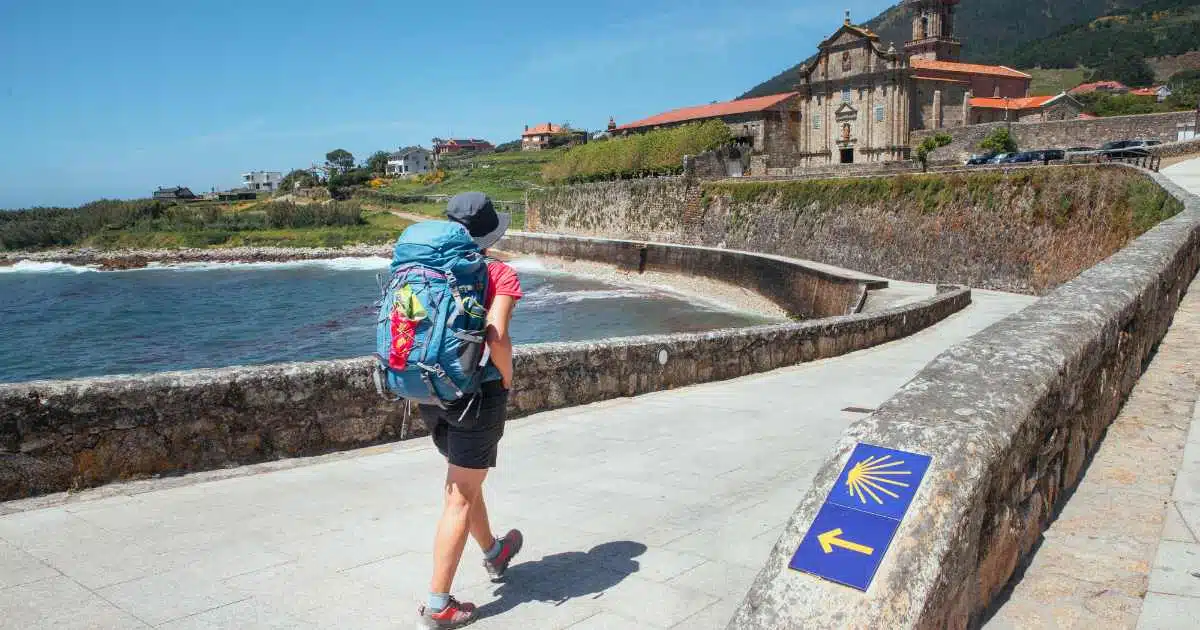
Pilgrim walk The Camino Litoral in Portugal - Portugal’s Oceanside

The Camino Litoral: Portugal’s Oceanside Path Explained

The Camino Litoral doesn’t shout for attention. It doesn’t need to. While the officially marked Coastal route (Caminho da Costa) weaves between ocean and inland villages, the Litoral takes a simpler approach: stay as close to the Atlantic as possible and let the waves guide you north. Here’s what you need to understand: The Coastal

The Camino Litoral: Portugal’s Oceanside Path Explained Read More »

The Camino Litoral doesn’t shout for attention. It doesn’t need to. While the officially marked Coastal route (Caminho da Costa) weaves between ocean and inland villages, the Litoral takes a simpler approach: stay as close to the Atlantic as possible and let the waves guide you north. Here’s what you need to understand: The Coastal
Guided Tours

When is the Best Time to Walk the Camino?

When is the best time to walk the Camino de Santiago? The best time to walk the Camino de Santiago is spring (April to June) and autumn (September and October), when days are mild and the countryside is green. September is now the busiest month on the Camino: in 2025 it overtook August for the

When is the Best Time to Walk the Camino? Read More »

When is the best time to walk the Camino de Santiago? The best time to walk the Camino de Santiago is spring (April to June) and autumn (September and October), when days are mild and the countryside is green. September is now the busiest month on the Camino: in 2025 it overtook August for the

Plate of Pulpo a la Gallega, traditional Galician octopus with paprika and olive oil, a popular dish along the Camino de Santiago.

Food on the Camino de Santiago: What to Eat and Drink

Food is an essential and fascinating part of travel and, of course, the Camino food experience is something you won’t want to miss out on. There are many wonderful reasons to walk the Camino de Santiago and the food on the Camino is a highlight for many. The Camino de Santiago crosses many different regions

Food on the Camino de Santiago: What to Eat and Drink Read More »

Food is an essential and fascinating part of travel and, of course, the Camino food experience is something you won’t want to miss out on. There are many wonderful reasons to walk the Camino de Santiago and the food on the Camino is a highlight for many. The Camino de Santiago crosses many different regions

Yellow arrow and scallop shell marking the Camino de Santiago trail through the Spanish countryside.

Camino Markings – Follow the Yellow Arrow and Scallop Shell

The two main Camino de Santiago waymarks are the yellow arrow and the scallop shell. The yellow arrow always points towards Santiago de Compostela and was created in 1984 by Don Elías Valiña, a parish priest in O Cebreiro. The scallop shell (vieira in Spanish/Galician) is the historic medieval pilgrim symbol, with its lines representing

Camino Markings – Follow the Yellow Arrow and Scallop Shell Read More »

The two main Camino de Santiago waymarks are the yellow arrow and the scallop shell. The yellow arrow always points towards Santiago de Compostela and was created in 1984 by Don Elías Valiña, a parish priest in O Cebreiro. The scallop shell (vieira in Spanish/Galician) is the historic medieval pilgrim symbol, with its lines representing

Join Our Newsletter

Camino PlannerPlanner
Scroll to Top