
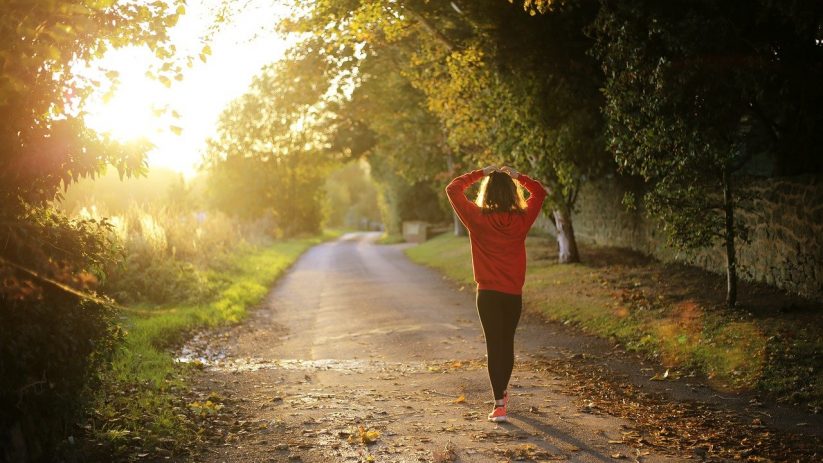
The Camino isn’t designed as a weight-loss programme — it’s a journey. Some pilgrims notice physical changes, but the deeper transformation tends to be in mindset, energy and perspective.
Walking the Camino de Santiago is an excellent opportunity for physical exercise. Many people wonder: can walking the Camino help you lose weight? The answer isn’t straightforward, as multiple factors come into play. However, let’s delve into some insights that can help you understand the potential for weight loss during this journey.
Distance and Calories Burned
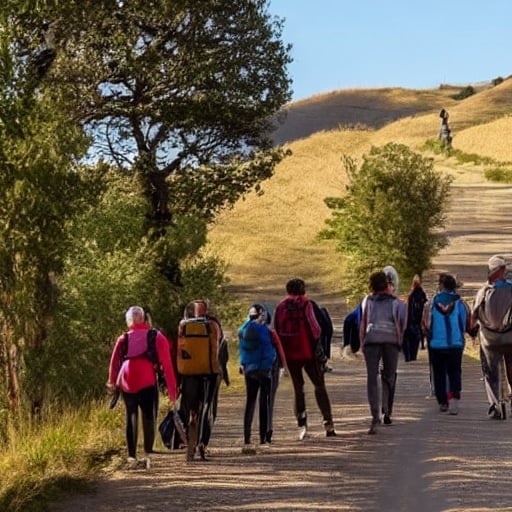
Firstly, it’s important to consider the distance you’ll be covering. With multiple routes to choose from, the Camino can range from 100km/62 miles (The last 100 km of the Camino de Santiago) to nearly 800 km/500 miles (Full Camino Collection). On average, walking burns around 100 calories per mile, depending on your body weight and walking speed. Therefore, walking long distances each day can result in significant calorie burning.
The Importance of Diet
While walking will help you burn calories, what you eat along the way plays a crucial role in whether or not you’ll lose weight. The Camino offers a variety of food options, including local delicacies that can be rich in calories. If you’re indulging in high-calorie foods or larger portions, you might not see the scale move in the direction you’d like. Keeping a balanced diet during your journey is key to maximising weight loss.
Metabolism Boost
Another aspect to consider is metabolism. Exercise, like walking, can help speed up your metabolism for a few hours after the activity, aiding in weight loss. This is known as the ‘afterburn effect,’ but it’s relatively minimal. The real metabolic boost comes from consistent physical activity paired with a balanced diet, which over time can contribute to weight loss.
Mental Wellness
Don’t underestimate the role of mental well-being when it comes to weight loss. The Camino can be a transformative experience that helps you reassess life’s priorities, including your health. This newfound perspective could motivate you to make healthier choices, contributing to weight loss during and even after the trip.
Social Influence
Often, you’ll find yourself in a community of like-minded pilgrims. The collective enthusiasm for walking and completing the journey can serve as motivation to push your physical limits, resulting in more calories burned. In addition, observing others’ healthy habits might encourage you to make similar choices.
Hydration and Weight
It’s crucial to remain hydrated during your journey, but be mindful of what you’re drinking. Sugary beverages, including energy drinks, can add many extra calories that hinder weight loss. Stick to water or other low-calorie options to maintain your weight-loss goal.
Additional Activities
The Camino isn’t just about walking; many people incorporate cycling or even running into their journey. These activities burn more calories than walking, providing another avenue for weight loss.
So, do people lose weight walking the Camino de Santiago? The potential is there, but it’s influenced by a host of factors including diet, the specific route chosen, your starting weight, and other activities you may engage in.
For more information about the Camino de Santiago routes and places to stay, please don’t hesitate to contact us.
FAQs About Walking the Camino and Physical Changes
Some pilgrims notice changes in their body composition after walking the Camino, while others do not. The Camino is not a weight-loss programme — it is a long-distance walking journey that involves consistent daily activity, varied meals, and rest. Physical changes depend on many factors, including the route chosen, individual diet, starting fitness level, and overall lifestyle.
Yes. Walking the Camino is excellent low-impact exercise that supports cardiovascular health, leg strength, posture, and endurance. It is also widely recognised for its benefits to mental wellbeing, sleep quality, and stress reduction. The combination of daily movement, time outdoors, and disconnection from routine makes the Camino a uniquely restorative experience.
Common physical changes reported by pilgrims include improved stamina, stronger leg muscles, better sleep, and increased energy. Some also notice changes in body composition, but the most lasting transformation is often mental — a renewed sense of perspective, calm, and confidence.
We do not recommend restrictive dieting during the Camino. Your body needs proper fuel to sustain daily walking, and Galician and Spanish cuisine is an integral part of the experience. Eating balanced meals, staying hydrated, and enjoying local food in moderation is the healthiest approach.
The Camino is widely associated with improved mental wellbeing. The combination of physical activity, time in nature, disconnection from daily routines, and meaningful conversations with other pilgrims often brings clarity, calm, and emotional reset. Many walkers describe the Camino as a transformative experience, not because of physical results, but because of how it shifts perspective.
Yes. The Camino is accessible to people of many different fitness levels and ages. Shorter routes, lighter daily stages, and services such as luggage transfers make the journey achievable for most people. We recommend consulting your doctor before starting if you have any health concerns.
