The ten unmissable stops on the Camino Francés, listed in the order you’ll walk them from Saint-Jean-Pied-de-Port to Santiago:
- The Belorado caves (Fuentemolinos), Burgos — the Camino’s least-known natural wonder
- Wine and tapas in Logroño, La Rioja — Calle Laurel, and the best value eating on the route
- The other pilgrims — the most sociable route in Spain
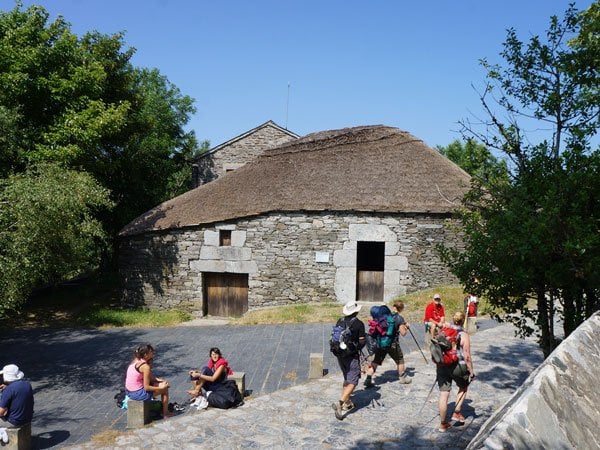
- O Cebreiro, Galicia — pre-Roman pallozas at 1,300m
- The Bodegas Irache wine fountain, Navarra — free wine from a wall, 100 litres a day
- The Templar castle, Ponferrada — 12th-century stronghold and Templar library
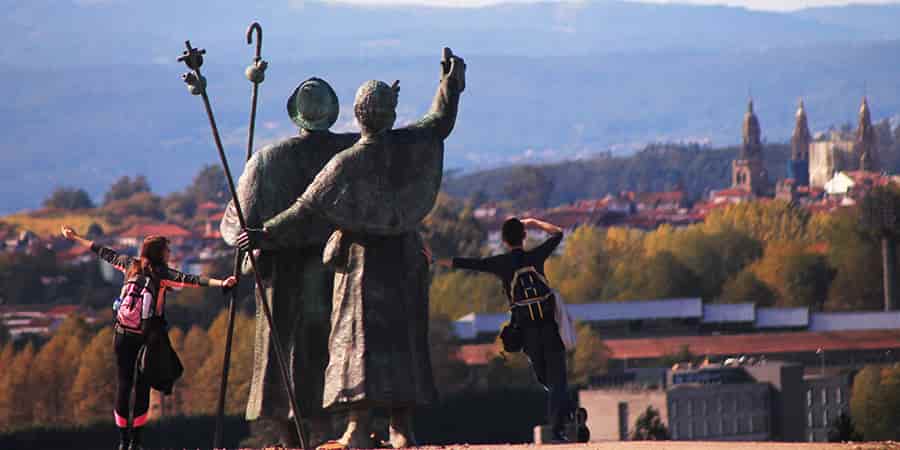
- Monte do Gozo — the first sight of Santiago’s cathedral towers
- The Cathedral of Santiago de Compostela — the tomb of Saint James and the end of the road
- The Museum of Pilgrimages — the story of the road you just walked
- Your Compostela — the certificate you’ve earned over the last 100km
As the most walked of the Camino de Santiago routes — 242,179 pilgrims in 2025, 46% of everyone who reached Santiago (statistics) — the French Way is the best introduction to the food, landscape and people of the Camino de Santiago. Talk to us about walking it.
1. The Belorado Caves
Belorado is a beautiful little village along the Camino Frances between Logrono and Burgos. You will find one of the Camino’s hidden gems on the outskirts of the town.
The Cave of Fuentemolinos is an awe-inspiring natural phenomenon featuring flowing forms, stalagmites and stalactites. The trickling sound of water from the river that runs through the cave adds to the atmosphere of tranquillity inside it.
2. Wine and Tapas in Logroño
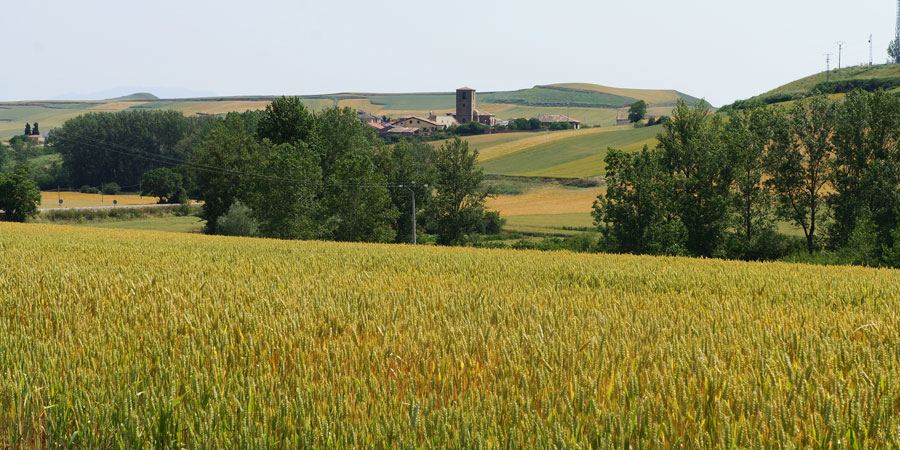
You can’t make a list of the best things to see on the Camino Frances without mentioning Logroño. Logroño is probably best known for La Rioja wine, a deep red synonymous with the region. Every year the locals here host a harvest festival where visitors can experience the ‘treading of the grapes’. Logroño also boasts some of the best tapas available in Spain, and it’s extremely good value for money.
3. The Best Highlights of the Camino Frances Include Others
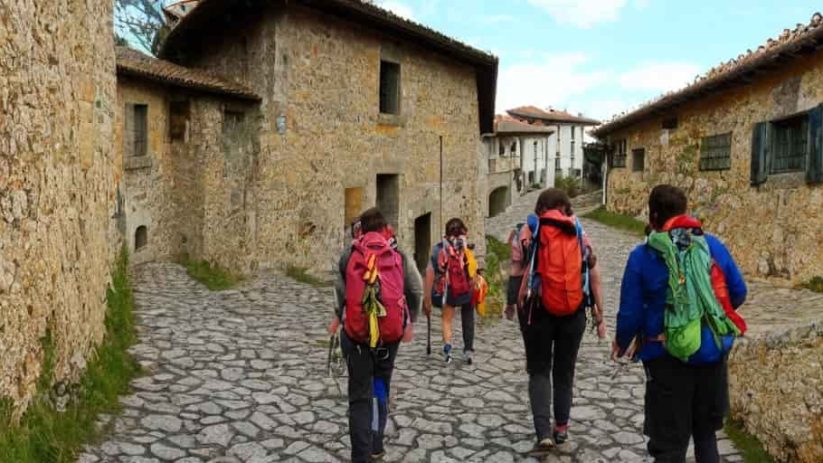
The Camino Frances is also the most sociable Camino route. You’ll encounter many other pilgrims from different nationalities and backgrounds, especially on the last 100km into Santiago. The magic of the Camino is the sense of community it creates among walkers. Be prepared to make new friends and share some laughs on your journey. To give you an idea of what awaits you on the Way of St James, you can read about a typical day on the Camino.
4. Heritage in O Cebreiro
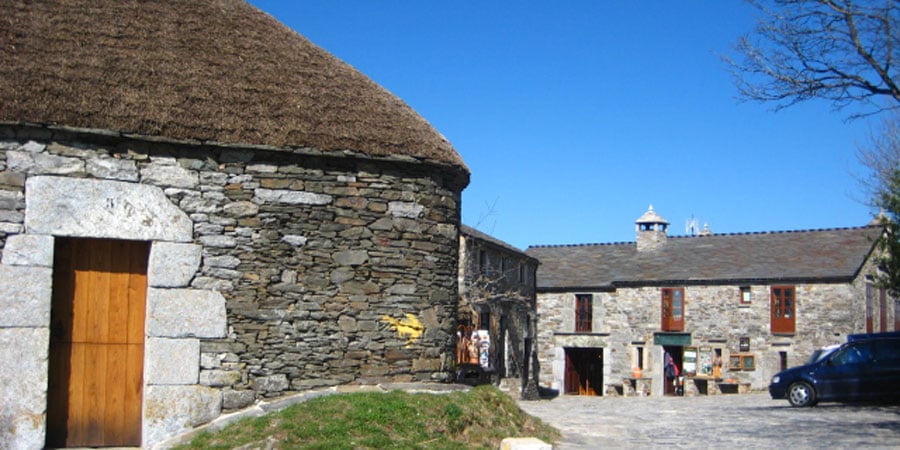
The mountain ranges of O Courel and Os Ancares surround the quaint village of O Cebreiro. This tiny town earns its place on our list of things to see on the Camino Frances because it is home to perfectly preserved pre-Roman dwellings known as ‘Pallozas’. Here, you will get a real feel for how Galicians lived here in centuries past. Make sure to visit the folk museum housed inside a renovated ‘Palloza’.
5. Bodegas Irache Wine Fountain
Bodegas Irache is a winery located just outside Estella that is over 100 years old. The company installed a wine fountain on one of the walls of the winery that dispenses free wine for pilgrims. This simple act captures the spirit of the Camino. Be sure to get here early, as although 100 litres of wine are dispensed daily; it can still run out!
6. The Templars Castle
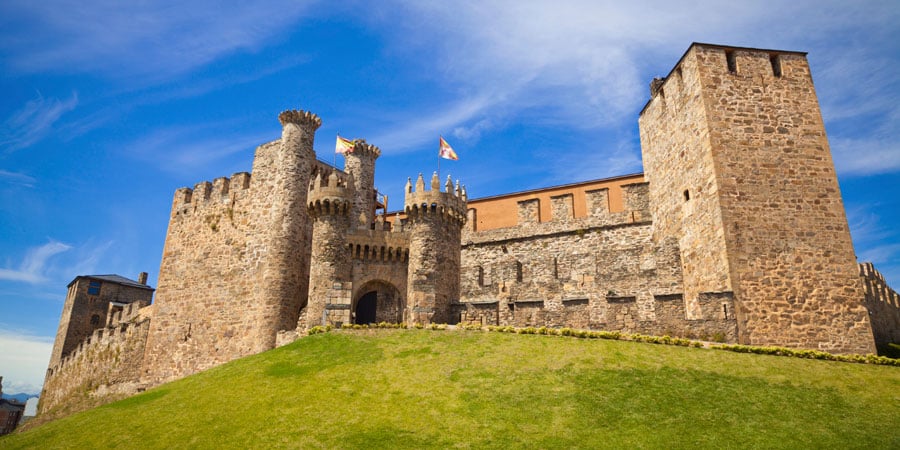
The Templars Castle in Ponferrada was named by the Knights of Templar, who used it as a stronghold after they placed the town under protection in the 12th century. The magnificent structure is home to the Templar Library, which includes work from Leonardo Da Vinci in its impressive collection. The Templars Castle is undoubtedly one of the highlights of the Camino Frances.
7. Monte do Gozo
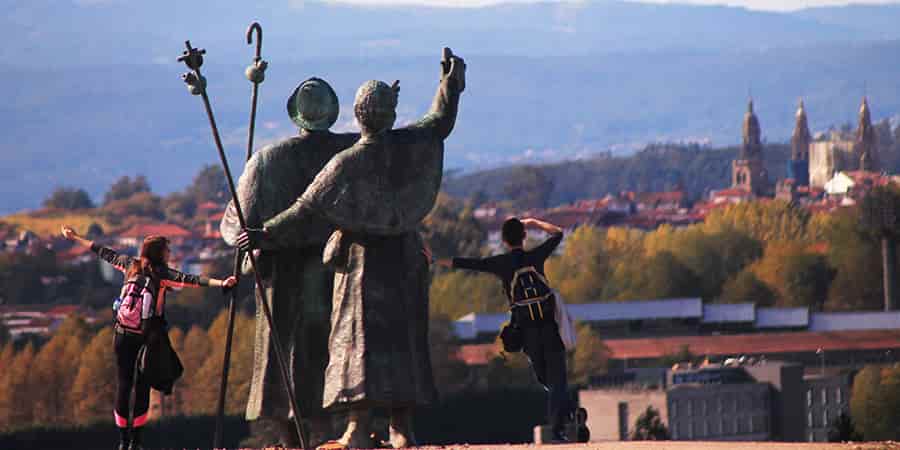
One of the main highlights of Camino Frances is Monte de Gozo. As you reach the summit of Monte do Gozo, you will spot the three spires of the Cathedral in Santiago de Compostela for the first time. This hill is about an hour’s walk from the end of the Camino, and ancient pilgrims would have yelped with exaltation here upon spotting the finish line of their pilgrimage.
8. The Cathedral of Santiago de Compostela
The Cathedral of Santiago de Compostela represents the final chapter of what has hopefully been a wonderful journey along the French Way. It is here that the remains of St James are said to be buried. The stunning Romanesque architecture is world-famous, and the interior of the building is breathtaking.
9. Museum of Pilgrims
If you have completed the Camino as a pilgrim, what better way to celebrate than by learning more about the ancient trail and the pilgrims whose footsteps you followed along the Way? Here you will also learn about St James and the importance of the Camino in the development of Santiago.
10. Collect your Pilgrim Certificate
You’ll need to walk over 100km or cycle over 200km in order to claim your pilgrim certificate when you reach Santiago de Compostela. This document is a commemoration of the journey you have completed. Don’t forget that you’ll need to get a pilgrim passport and have it stamped twice every day in order to get your ‘Compostela’.
More highlights along the French Way
- Saint-Jean-Pied-de-Port and the Route Napoléon over the Pyrenees — the hardest and most beautiful day of the route
- Pamplona — bull-running city, and a fine place to start
- Santo Domingo de la Calzada — the cathedral that keeps live hens, and the miracle behind it
- León — the other great Gothic cathedral, a week west of Burgos
- Cruz de Ferro — the iron cross at the highest point of the route, where pilgrims leave a stone from home
- Villafranca del Bierzo — the Puerta del Perdón, for pilgrims too ill to continue
- Portomarín — a town moved stone by stone up the hill when the valley was flooded
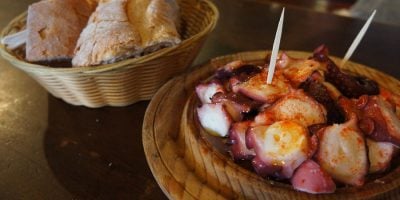
- Melide — the oldest cruceiro in Galicia, and the best octopus on the Camino
- Lavacolla — where medieval pilgrims washed before entering the holy city
We hope you enjoyed this article about 10 things to see on the Camino Frances. For more information about the Camino de Santiago routes or to book your very own Camino adventure, please don’t hesitate to contact us.
FAQs
The Cathedral of Santiago de Compostela, the destination of every route and the burial place of Saint James. Along the way, the Templar castle at Ponferrada and the Cruz de Ferro are the most photographed stops.
At Bodegas Irache, just outside Estella in Navarra, roughly three to four days’ walk from Saint-Jean-Pied-de-Port. It dispenses about 100 litres of free wine to pilgrims each day and can run out, so arrive early.
Pre-Roman round thatched houses called pallozas, one of which is an ethnographic museum, and the church of Santa María la Real — among the oldest on the Camino. The village sits at about 1,300m, right on the border into Galicia.
About 5km, roughly an hour’s walk. It is the last hill before the city and historically the first point from which pilgrims could see the cathedral towers.
A 12th-century Templar stronghold with walls, towers and courtyards you can walk, plus the Templar Library, whose collection includes facsimiles of major medieval manuscripts and of Leonardo da Vinci’s codices.
No. You need the final 100km on foot — starting in Sarria — or the final 200km by bike from Ponferrada, with two stamps a day in your pilgrim passport.
Sarria to Santiago, the last 100km: seven days, the Compostela at the end, and Monte do Gozo, the cathedral and the pilgrim museum all included. It is the most walked week on any Camino.
Plan your Camino Francés
See the full route from Saint-Jean-Pied-de-Port, the last 100km from Sarria, or cycling from Ponferrada. Check the Camino Francés map, the best starting points and our Camino accommodation — or contact us and we’ll build it around you.