
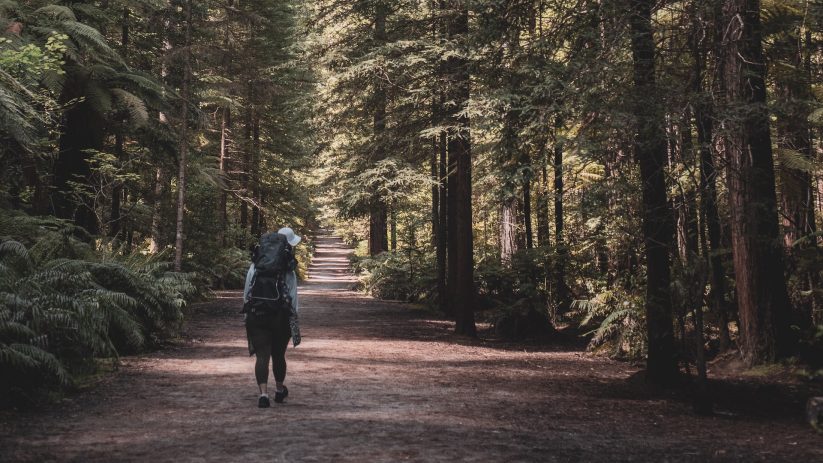
Embarking on the Camino de Santiago is an experience like no other, combining physical challenge with spiritual enrichment. It’s a journey that takes you through the heart of stunning landscapes, rich history, and vibrant cultures. A common question among pilgrims planning their journey is: “How many hours a day do you walk on the Camino de Santiago?“
Understanding the Camino de Santiago
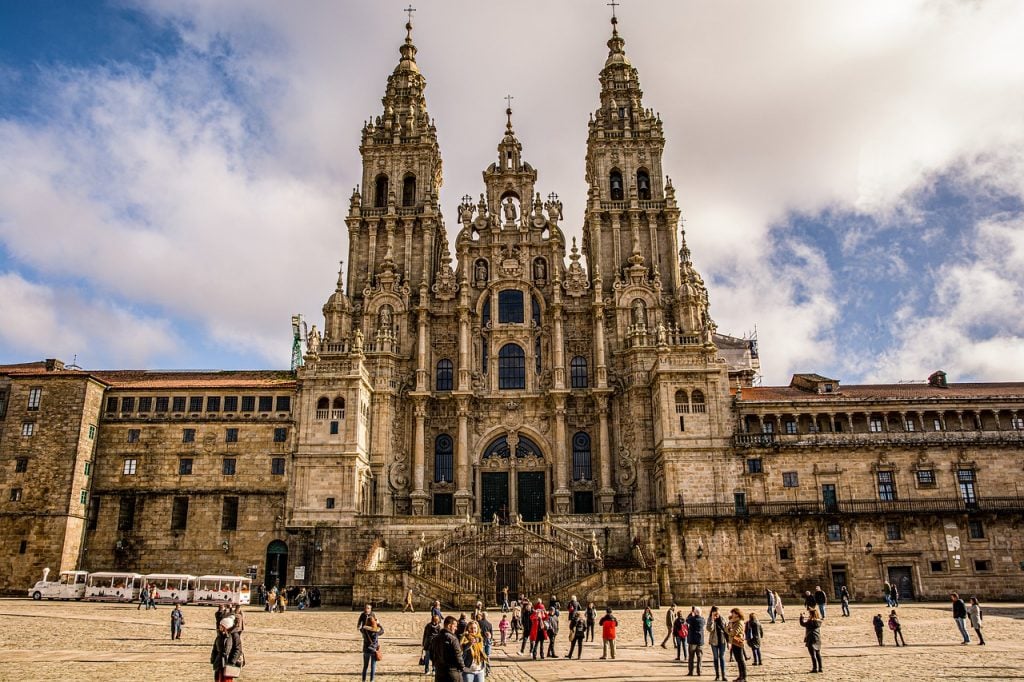
The Camino de Santiago, also known as the Way of St. James, is a network of pilgrim routes leading to the shrine of the apostle Saint James the Great in the cathedral of Santiago de Compostela in northwestern Spain. The most popular route is the Camino Francés, which stretches about 780 km (about 500 miles) from Saint-Jean-Pied-de-Port near Biarritz in France to Santiago.
Gaining popularity, the Camino Portugués is now the second-most travelled Camino route. Starting in Lisbon or Porto, it traverses Portugal and Spain, ending in Santiago de Compostela at the Spanish border.
Other Camino routes to Santiago’s historic centre are the Camino Inglés, the Camino del Norte, the Camino Primitivo, and the Via de la Plata. Pilgrims often extend their journey on the Camino Finisterre, leading from Santiago to Cape Finisterre, the ancient ‘end of the world’.
Average Walking Hours Per Day
The number of walking hours each day on the Camino de Santiago can vary widely depending on several factors. Generally, pilgrims walk for about 4 to 6 hours per day. However, this can change based on: your route selection, your physical fitness, the weather conditions, or your personal preferences on pacing and breaks.
Route Planning and Daily Distances
Different Routes, Different Challenges: The Camino de Santiago comprises several routes, each with unique characteristics. People select their Camino de Santiago route based on several factors considering access, weather, environment, and traffic. The Camino Francés is the most popular but often features mountains, in contrast to the mostly coastal terrain of the Portuguese Coastal Way.
Stage Lengths: Stages on popular routes like the Camino Francés average about 20-25 km per day. Some people choose to trek the entire Camino in one go, while others opt for shorter segments, such as the final 100km over a week or two.
Physical Fitness and Training
Pre-Camino Training: It is important to follow some basic training before cycling or walking the Camino. Ideally, you should start your training one or two months before your trip. Of course, the intensity of your training will depend on the route, the duration of the trail you have chosen, as well as the terrain in that particular area.
Foot Care: Invest in good quality Camino walking shoes and learn about foot care to prevent blisters, which are a common issue for pilgrims.
Weather Considerations
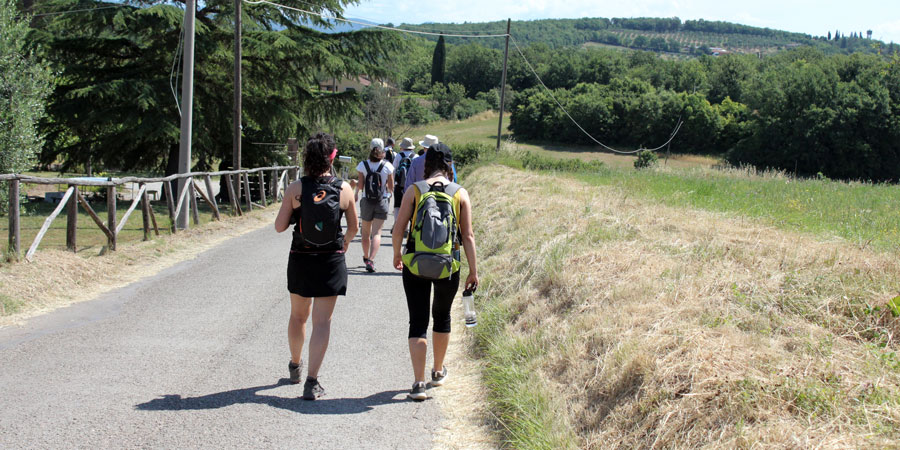
Seasonal Variations: The weather on the Camino de Santiago will depend on the season and the region you choose to travel to. Some parts of Spain can reach very high temperatures during Summer, but from Autumn to Spring you will find colder days. Typically, the best times to walk the Camino are spring and autumn, to avoid the extreme heat of summer and the cold of winter.
Packing for the Weather: Lightweight, breathable, and waterproof gear is essential. Layers are key as they allow you to adjust to changing temperatures.
Cultural and Social Aspects
Meeting Fellow Pilgrims: The Camino is known for its sense of community. Engage with other pilgrims, share stories, and you might find lifelong friends.
Local Experiences: Embrace the local culture, try regional cuisines, and participate in local traditions if the opportunity arises.
Rest Days and Recovery
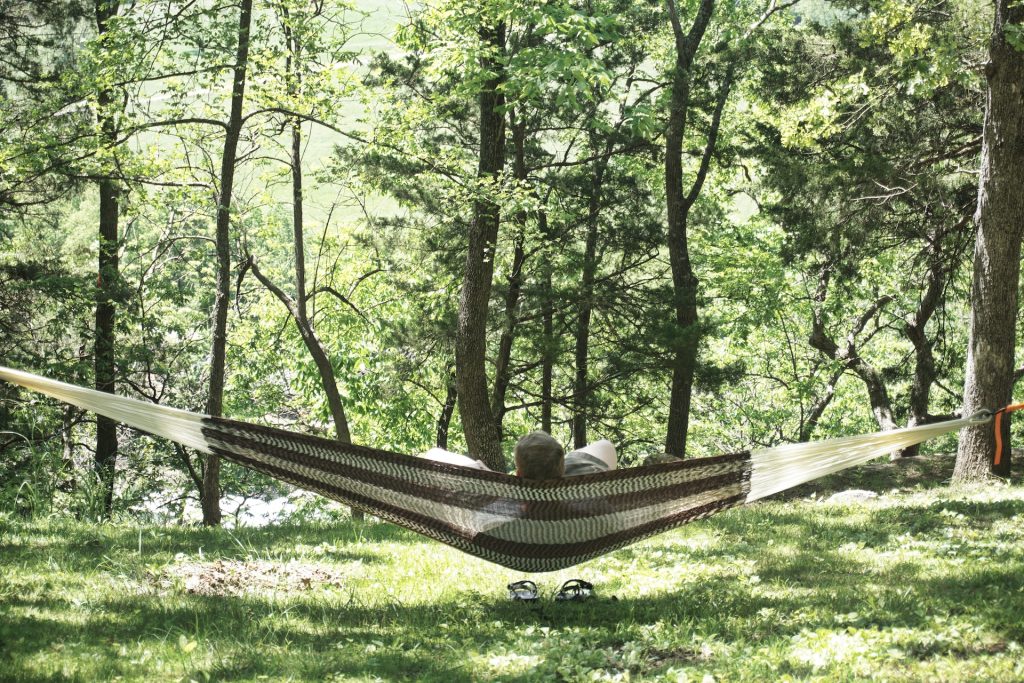
Planning for Rest: Schedule rest days in larger towns or places of interest. This not only aids in physical recovery but also lets you explore more.
Listening to Your Body: If you feel unusually tired or sore, it’s okay to take an unscheduled rest day. The Camino is not a race.
Mental Preparation
Setting Realistic Expectations: Understand that there will be challenging days. Mental resilience is as important as physical stamina.
Reflective Time: Many walk the Camino for spiritual or reflective reasons. Allow yourself time for personal thought and introspection.
Typical Day on the Camino
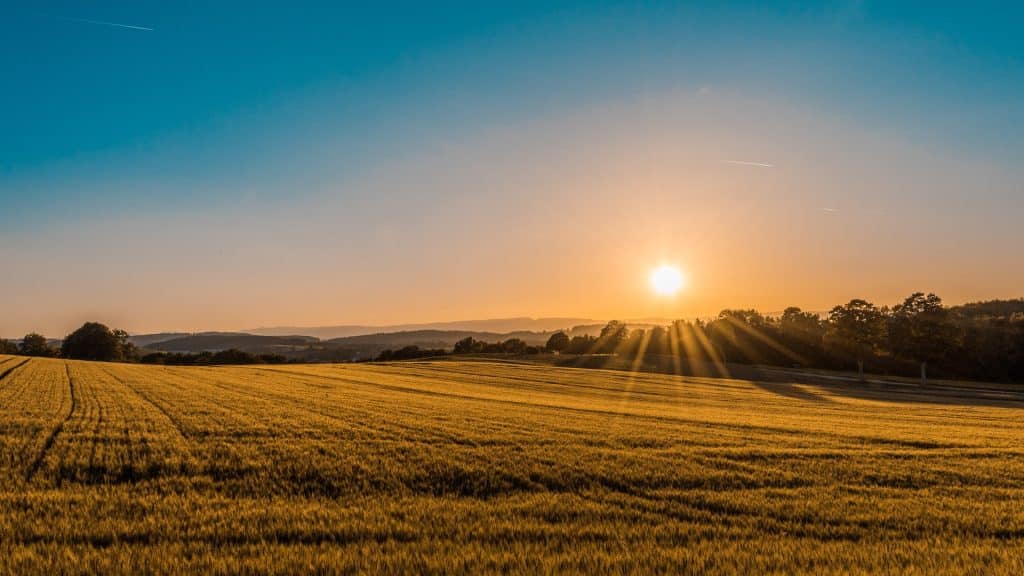
A typical day on the Camino starts early, often around sunrise. This allows you to walk during the cooler parts of the day and arrive at your next destination with time to rest. Most pilgrims stop for lunch and short breaks throughout the day. After the walk is completed people venture out for dinner or opt to eat in the hotel restaurants, followed by an early night to give both your body and mind a welcomed rest!
The Importance of Pacing
Pacing is crucial on the Camino. It’s not a race; it’s a pilgrimage. The journey is as important as the destination. Walking at a pace that’s comfortable for you ensures that you enjoy the experience and complete your pilgrimage safely.
How many hours you walk each day on the Camino de Santiago depends on personal factors and preferences. Whether you walk 4 hours or 6 hours a day, what matters most is the journey itself – the people you meet, the landscapes you traverse, and the personal growth you experience. The Camino is a path of self-discovery, and every step, no matter how slow or fast, is a step towards something greater.
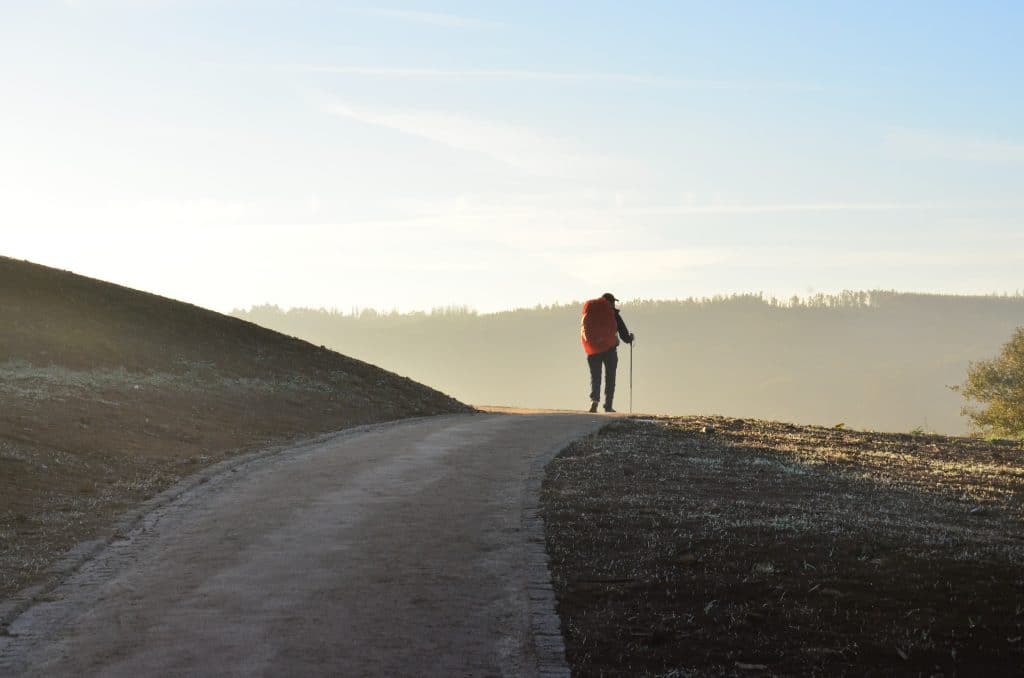
If you’re considering walking the Camino de Santiago and have more questions about the journey, feel free to contact us. Whether it’s about the best hiking shoes, what to pack, or how to prepare, we’re here to help make your pilgrimage a memorable and fulfilling experience. Contact us for more info.
FAQs: Walking Hours and Distances on the Camino de Santiago
Most pilgrims walk between 4 and 6 hours per day on the Camino de Santiago, covering 20 to 25 km. Walking time depends on the route, your fitness level, weather conditions, terrain and how often you stop for breaks. Easy walking itineraries typically take 3-4 hours per day.
How many kilometres do you walk per day on the Camino?
The average daily distance on the Camino de Santiago is 20 to 25 km. Stages can range from 10 km on easy walking itineraries to 30+ km on more challenging days. CaminoWays customises daily distances based on your fitness and preferences.
No. The Camino isn’t a race. Most pilgrims walk at 4-5 km per hour, which is a normal walking pace. Walking too fast in the first few days is one of the main causes of blisters and injuries.
Yes. Walking 10-15 km a few times a week in the 2-3 months before your trip — ideally with the shoes and daypack you’ll use — makes a huge difference. CaminoWays offers a free 6-month Camino Fitness Plan to help pilgrims prepare.
Wake up around 6-7am, breakfast at the hotel, walk 4-6 hours with breaks for coffee and photos, lunch in a village along the way, arrive at your next hotel mid-afternoon, shower, explore the town, dinner around 7-8pm, early night. Repeat.
Yes. Rest days are recommended every 5-7 walking days, especially on longer Camino routes. Larger towns such as Pamplona, Burgos, León, Ponferrada and Santiago de Compostela are popular rest stops. CaminoWays itineraries can be customised to include rest days at your preferred locations.
Yes. The CaminoWays Easy Walking Collection is designed for pilgrims preferring shorter daily distances of 10-15 km on gentler terrain. These itineraries are ideal for older walkers, families with children or anyone wanting a more relaxed pace.
