What are the best things to do in Santiago de Compostela?
The best things to do in Santiago de Compostela are to visit the Cathedral and the tomb of St James, go to the Pilgrim’s Mass, wander the old town, see the Cathedral from the Alameda park, eat at the Mercado de Abastos, try octopus and Galician wine on Rúa do Franco, and visit the Museo das Peregrinacións and Bonaval park. The old town is compact and easy to walk, so two days is enough to see most of it.
Short on time? Follow our 24-hour itinerary for Santiago de Compostela, planned around the Pilgrim’s Mass, or read our pilgrim’s guide to Santiago de Compostela.
Santiago is a small city of about 100,000 people, with around 40,000 students during the university year and pilgrims arriving every day. Maria, from our team, lived here for four years while studying at the University of Santiago, founded in 1495. Like many students, she found it hard to leave.

Things to do in Santiago at a glance
| What | Where | Good to know |
|---|---|---|
| Cathedral and tomb of St James | Praza do Obradoiro | Free entry, 7:00–21:00. No backpacks inside |
| Pilgrim’s Mass | Church of San Agustín (for now) | 9:30, 12:00 and 19:30; 7:30 in the Cathedral |
| Old town | Zona Vella | UNESCO World Heritage Site since 1985 |
| Alameda park | Paseo da Ferradura | The classic view of the Cathedral |
| Wine and tapas | Rúa do Franco and Rúa da Raíña | A free snack often comes with your drink |
| Museo das Peregrinacións | Old town | The history of the pilgrimage |
| Bonaval park and museums | San Domingos de Bonaval | Park by Álvaro Siza, contemporary art and Galician culture |
| Mercado de Abastos | Next to the old town | Fresh Galician produce and places to eat |
| Festivals | Across the city | Ascensión in May, Apóstolo in July |
| Octopus (pulpo á feira) | All over Santiago | Galicia’s most famous dish |
What should you see in the Cathedral?
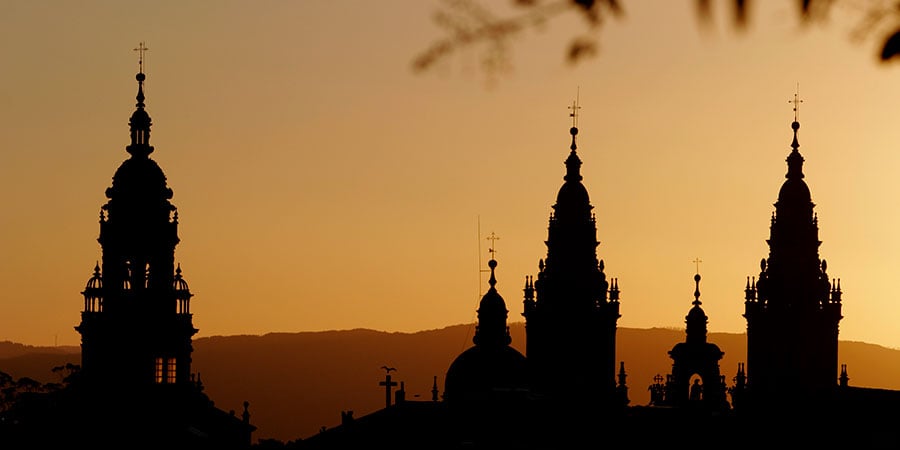
Most pilgrims go straight to Praza do Obradoiro and the Cathedral. Entry is free: you can visit the tomb of St James in the crypt and embrace the statue of the Apostle behind the high altar. With a ticket you can see the Pórtico da Gloria by Master Mateo, the museum and the rooftops, with wide views over the city.
Two things to know for 2026–27: the Botafumeiro is out of service for now because of restoration works, and the Holy Door opens on 31 December 2026 for the Holy Year 2027.
Where is the Pilgrim’s Mass now?
Since 16 October 2026, and until further notice, the Pilgrim’s Mass at 9:30, 12:00 and 19:30 is held in the church of San Agustín, a five-minute walk from the Cathedral, while the Cathedral’s main chapel is being remodelled. The 7:30 Mass is in the Cathedral’s Communion chapel.
What is the best way to see the old town?
On foot. The old town is a maze of granite streets, arches and squares, with Romanesque and Baroque churches, museums and some of the university’s oldest buildings. The new town (Zona Nova) is more residential, with good shops, bookshops and bars.
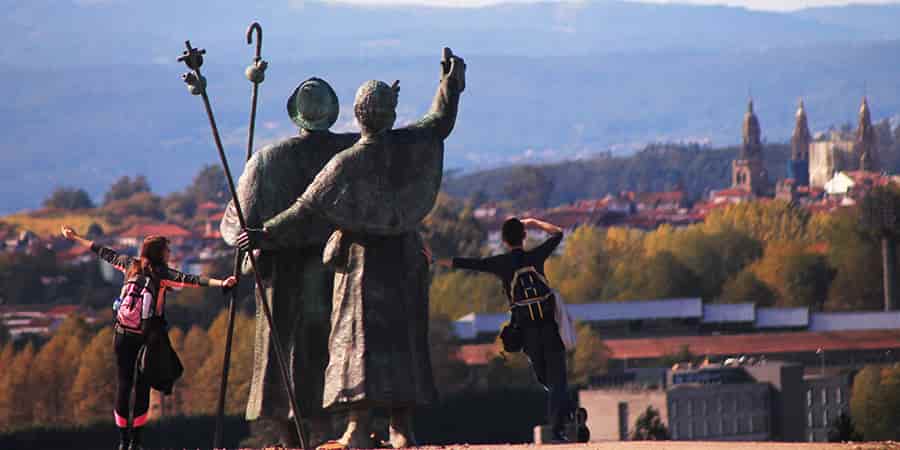
For the best view of the Cathedral, walk to the Alameda, Santiago’s best-known park, and follow the Paseo da Ferradura. Look out for the colourful statue of As Marías, two sisters who walked here every day at two o’clock.

Where should you eat and drink in Santiago?
For an evening of wine and tapas, go to Rúa do Franco and Rúa da Raíña, next to the Cathedral. Many bars show octopus and shellfish in the window and serve a free snack with each drink. Do not leave Galicia without trying pulpo á feira, octopus with olive oil and paprika.
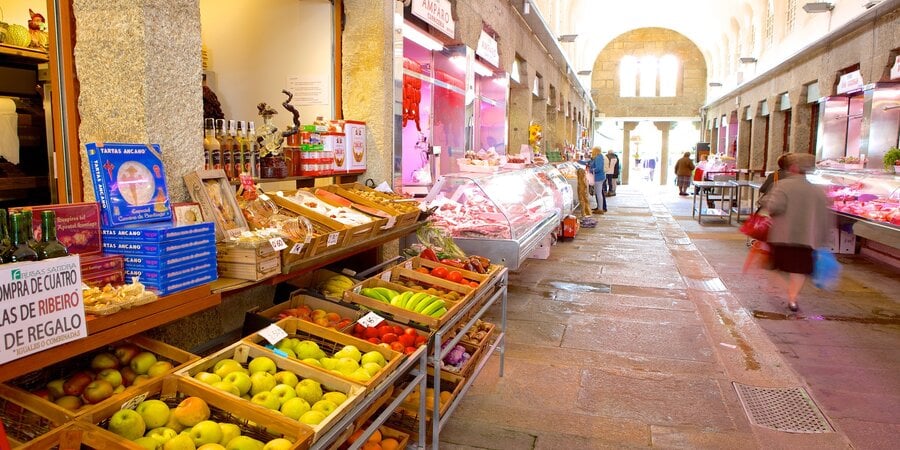
In the morning, visit the Mercado de Abastos, Santiago’s food market, where farm stalls sit next to small modern restaurants. More ideas in the most delicious Galician dishes.

Which museums and parks are worth a visit?
The Museo das Peregrinacións tells the story of the pilgrimage to Santiago, a good visit after you finish your Camino. San Domingos de Bonaval is a quiet park redesigned by the architect Álvaro Siza, with two museums next to it: the CGAC (Galician Centre of Contemporary Art) and the Museo do Pobo Galego (Museum of the Galician People).

When are Santiago’s festivals?
The two big ones are the Festas da Ascensión in May and the Festas do Apóstolo in July, around St James’s Day on 25 July, with outdoor concerts and events, some of them free. 2027 is a Holy Year, so expect a busy city all year. See our Holy Year 2027 guide.
How many days do you need in Santiago?
One full day covers the Cathedral, the Pilgrim’s Mass and the old town. Two days let you add the museums, the market and a slow lunch. On our tours you can add extra nights in Santiago when you book in the Camino Planner.
If you only have a week for your Camino, the last 100 km from Sarria, the Camino Inglés or the last stretch of the Camino Portugués all end here.
FAQs
Visit the Cathedral and the tomb of St James, go to the Pilgrim’s Mass, explore the old town, see the Cathedral from the Alameda, eat at the Mercado de Abastos and try pulpo á feira.
Yes. Entry is free every day from 7:00 to 21:00. The museum, the Pórtico da Gloria and the rooftop tour need a ticket.
Since 16 October 2026 the 9:30, 12:00 and 19:30 Masses are in the church of San Agustín, while the Cathedral’s main chapel is remodelled. The 7:30 Mass is in the Cathedral.
Not at the moment. It has been out of service since August 2026 because of restoration works, with no return date yet.
One to two days. One day covers the Cathedral, the Mass and the old town; two days add museums, the market and the parks.
Pulpo á feira (octopus), Galician shellfish, Padrón peppers and tarta de Santiago, the local almond cake.
👉 If you’d like a personalised itinerary, try our Camino Planner.