The best snacks for walking the Camino de Santiago are high in protein and complex carbohydrates, lightweight and easy to eat on the move. Top choices include nuts, trail mix, protein bars, dried fruit, cereal bars and fresh fruit. Aim to snack every 45–60 minutes on long walking days to maintain energy levels and avoid the dreaded sugar crash with 10km still to go.
Whether you are walking or cycling, the Camino de Santiago is an enjoyable but physically demanding experience. Starting the day with a good breakfast and stopping for lunch are essential — but between meals, the right snacks make the difference between arriving at your accommodation feeling strong or completely depleted.
This guide covers the best snacks to pack, how much water to carry and a few practical tips for eating well on the trail. For full nutrition and fitness preparation advice, visit our Camino fitness hub and download our free Camino fitness ebook.
Your body needs three types of food (or macronutrients) to function correctly; protein, carbohydrates and fat. Protein helps to repair muscles, carbohydrates give you energy and fat helps you absorb nutrients and keep warm. It’s pretty obvious that these are all helpful for hiking or cycling the Camino!
So when you are out on a long Camino day and you realise that there is nowhere to stop for lunch, what do you do? Nature is spectacular but your energy levels are dipping fast. What are you going to reach for? To help you answer that question, we’ve made a list of our top hiking snack foods and we’d recommend that you always have a selection of these in your backpack!
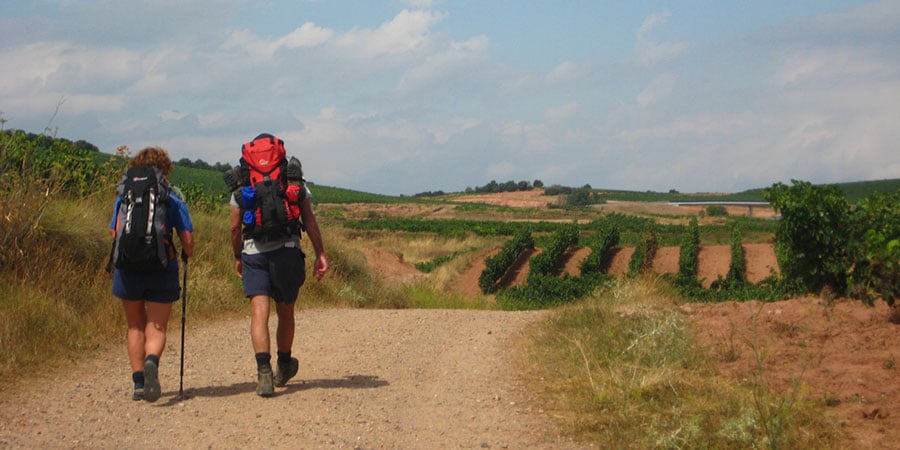
Why Snacking Matters on the Camino
Walking 15–25km a day burns significantly more calories than your body is used to. Your muscles are working constantly, your core is engaged and — particularly in summer — your body is losing fluid and minerals through sweat. Without regular refuelling, energy levels drop, concentration fades and the last few kilometres of any stage feel much harder than they need to.
Your body needs three macronutrients to function well on the trail: protein to repair muscles, carbohydrates for sustained energy and fat to absorb nutrients and keep you warm on cooler mornings. The best Camino snacks deliver a combination of all three.
For advice on staying healthy and injury-free over consecutive walking days, see our guide on 15 tips to stay fit and healthy on the Camino.
The Best Snacks For Walking
- Nuts — the perfect Camino snack. High in protein, healthy fat and calories, lightweight and easy to eat while walking. Almonds, cashews and walnuts are all excellent choices. A small handful every hour keeps energy levels stable without the sugar spike and crash of sweeter alternatives.
- Trail mix and dried fruit — a classic long-distance walking snack for good reason. Combines nuts with dried fruit for a quick carbohydrate hit alongside sustained energy. Easy to portion into small bags before you set off each morning.
- Protein bars — convenient, calorie-dense and easy to pack. Look for bars with at least 10g of protein and avoid those with very high sugar content — they cause energy spikes that drop off quickly. Good options include Clif Bars, KIND bars and similar.
- Cereal bars — lighter than protein bars and a good source of quick energy. Best eaten mid-morning when you need a boost before lunch rather than as a replacement for a proper meal.
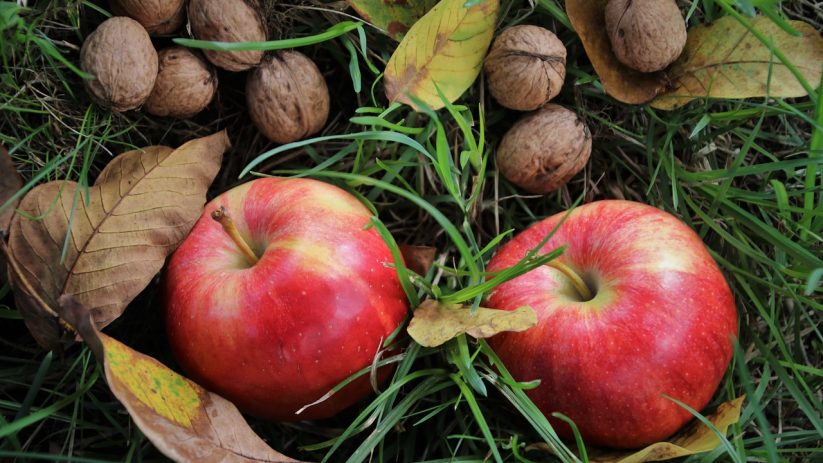
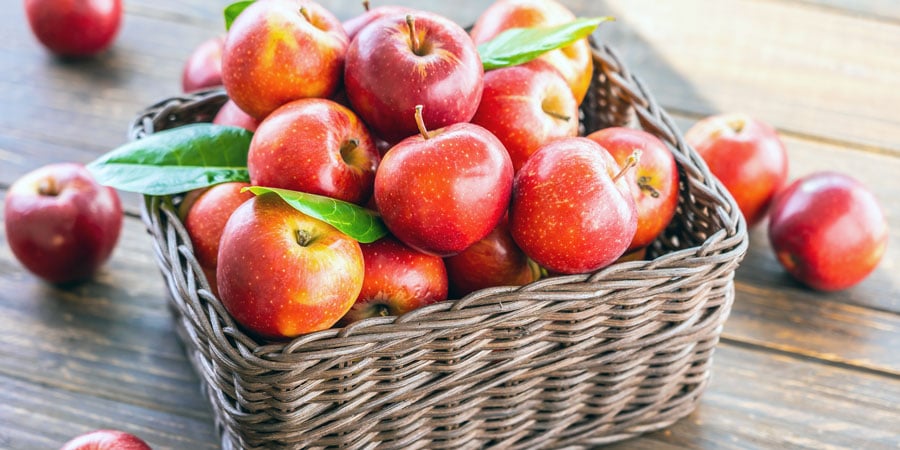
- Fresh fruit — bananas are the Camino pilgrim’s best friend. High in potassium, quick to eat and available at almost every café and shop along the main routes. Apples and oranges travel well and add variety.
- Chocolate — yes, really. Dark chocolate in particular provides a combination of fat, carbohydrates and a small caffeine boost. A few squares at a rest stop is a classic Camino treat and entirely justified after 15km.
- Tuna sachets — not glamorous but highly effective. Sachets (not cans) are lightweight and provide a solid protein hit. Good for longer days when you need something more substantial than fruit or nuts.
- Beef jerky — high protein, lightweight and long-lasting. Particularly useful on stages with few services where a proper lunch stop may not be possible.
- Biscuits and crackers — a quick carbohydrate source and easy to pack. Best combined with something protein-rich like tuna or nut butter rather than eaten alone.
What to Avoid
Snacks that are high in refined sugar and low in protein or fat cause a quick energy spike followed by a sharp crash — exactly what you do not want with kilometres still to go. White bread, sweets and sugary drinks fall into this category. Save them for arrival at your accommodation, not for the trail.
Anything heavy, bulky or that needs refrigeration is also impractical. Every extra gram in your bag adds up over 20km. For advice on keeping your pack light, see our Camino packing list and common mistakes to avoid.
Hydration
Hydration is key to any long hike. Your body uses up a lot of fluid while exercising, particularly if you are performing cardio work. We’d recommend drinking at least 2 litres of water per day when hiking. On hotter days you will need even more than this. You could also consider carrying an electrolyte drink with you to help replace minerals you’ve sweated out.
Leave No Trace
It’s really important to clean up after yourself on any Camino hike. This helps to preserve the gorgeous trails that you are walking on for future hikers and generations to come. Keep all of your plastic food wrappers in your backpack and dispose of them properly at the next available opportunity.
Do also pack a reusable water bottle to help reduce plastic consumption. You can drink the water along the Camino and there are wells in some destinations to refill your bottle. For more tips on being eco-friendly on the trail, check out this blog Eco-Friendly Camino.
Where to Buy Snacks on the Camino
On the main routes — particularly the Camino Francés and Camino Portugués — you will find supermarkets, pharmacies and small shops in most stage towns. Stock up the evening before or at your first café stop of the day. On quieter routes like the Camino Primitivo or Via de la Plata, services can be more sparse — pack more snacks in advance on these stages.
We hope you enjoyed this article about packing snacks for walking the Camino. If you have any questions about what food and snacks you need to bring on your Camino or if you would like some help planning your own Camino adventure, please don’t hesitate to contact us.
If you’re curious about all of the Camino food options and speciality dishes available on the Camino, make sure to visit our food and wine section of the blog.
FAQs
The best Camino snacks combine protein, complex carbohydrates and healthy fat — nuts, trail mix, protein bars, dried fruit, cereal bars, fresh fruit and tuna sachets are all excellent choices. Snack every 45–60 minutes on long walking days to maintain energy levels. Avoid high-sugar snacks that cause energy spikes and crashes.
At least 2 litres per day on a standard walking day — more in summer or on exposed stages. Carry a refillable bottle and top up at fountains, cafés and shops along the route. On hot days, consider electrolyte tablets to replace minerals lost through sweat. See our guide on walking the Camino in hot weather for more detail.
Yes — always. A proper breakfast before setting off is essential. Most Camino accommodation includes breakfast, and cafés along the route open early. Starting a long walking day without breakfast is one of the most common mistakes pilgrims make. See our common mistakes guide for more.
Yes. On the main routes — the Camino Francés and Camino Portugués in particular — you will find shops and supermarkets in most stage towns. On quieter routes like the Primitivo or Via de la Plata, services can be more sparse. Always carry enough snacks for a full day in case of limited stops.
Every 45–60 minutes on long walking days. Regular small snacks maintain blood sugar levels and prevent the energy crashes that make the last few kilometres of any stage feel much harder. Think of it as fuelling an engine rather than waiting until you are hungry.
Avoid snacks high in refined sugar and low in protein — sweets, white bread and sugary drinks cause quick energy spikes followed by sharp crashes. Also avoid heavy or bulky food that adds unnecessary weight to your pack. Every extra gram compounds over 20km. See our Camino packing list for advice on keeping your bag light.
For personalised advice on preparing for the Camino, contact our travel team or use our Camino Planner.