
Camino Portugués Central
The Classic Inland Portuguese Camino via Tui
The Camino Portugués Central is the historic backbone of the Portuguese Way — an inland Camino shaped by Roman roads, medieval bridges, vineyards, and market towns that have welcomed pilgrims for centuries. It offers a grounded, traditional journey where daily life unfolds alongside pilgrimage, and where the rhythm of walking is guided as much by villages and valleys as by the path itself.
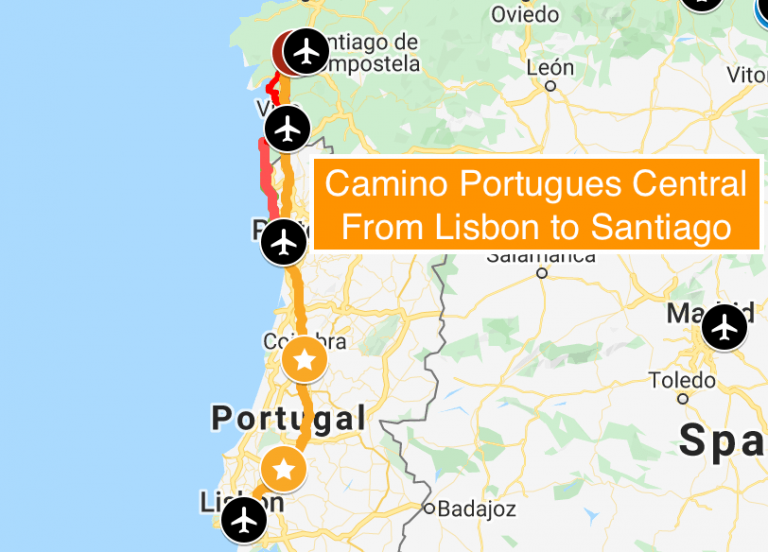
From Porto, the route turns away from the Atlantic and heads north through Portugal’s rural heart, crossing into Galicia before continuing to Santiago de Compostela. It is the most direct and time-honoured of the Portuguese routes, and for many pilgrims, it feels like the classic expression of the Camino spirit.
One route, many centuries of footsteps
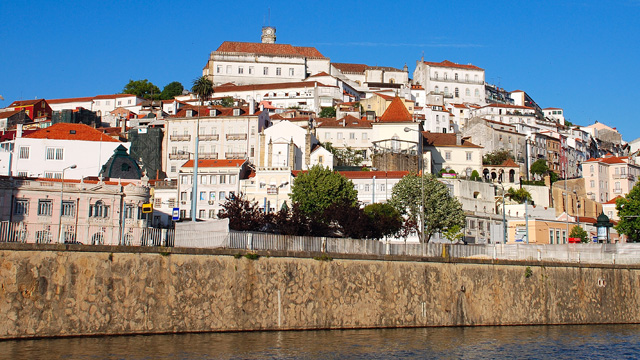
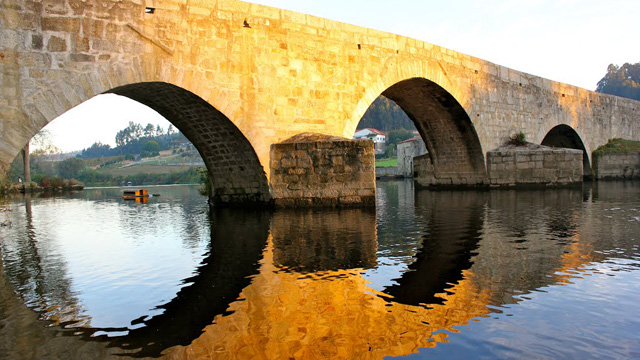
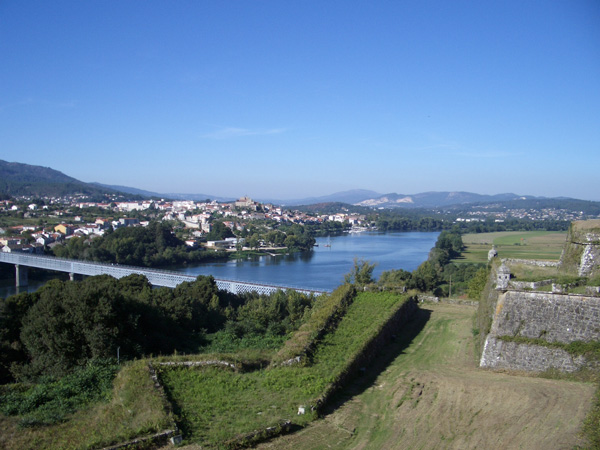
Unlike the coastal alternatives, the Central Route follows ancient inland paths that long predate modern pilgrimage. Roman roads, stone bridges, and medieval towns appear naturally along the way, not as attractions but as part of everyday walking. Villages rise and fall with the land, churches mark crossroads, and the Camino blends quietly into local life.
This route appeals to pilgrims who value continuity and tradition. It feels older, steadier, and deeply connected to the past — not in a dramatic way, but in the simple repetition of footsteps along roads that have been used for generations.
Suggested Routes
How the Central Route fits within the Camino Portugués
The Camino Portugués begins in Lisbon and reaches Porto, where it splits into three main options: the inland Camino Portugués Central, the Camino Portugués Coastal & Litoral (the most popular option), and, later in Galicia, the Camino Portugués Variante Espiritual.
The Central Route remains inland from Porto, eventually merging with the Coastal route in Redondela, before continuing together to Santiago. While all routes share the same destination, the experience of getting there is shaped entirely by the landscape you choose to walk through.
A day on the Camino Portugués Central
A typical day on the Central Route begins in a small town or village, often with the sound of church bells or early morning cafés opening their doors. The path leads you through farmland, vineyards, eucalyptus woods, and stone-lined lanes, with the land gently rising and falling beneath your feet.
As the day progresses, you may cross a Roman bridge, pass a roadside shrine, or stop in a village square for lunch. The walking feels purposeful but unhurried. Evenings are spent in lively towns where pilgrims gather naturally, sharing meals and stories before resting for the next stage. The Camino here feels social, rooted, and quietly human.
Terrain and difficulty
The Central Route is moderate in difficulty, with more variation in elevation than the coastal options. There are gentle hills throughout, particularly in northern Portugal and Galicia, but no sustained mountain walking. Daily ascents and descents are part of the rhythm rather than obstacles.
Paths vary between forest tracks, rural lanes, cobbled streets, and well-maintained trails. The route is clearly waymarked with yellow arrows, making navigation straightforward even in rural sections. Good walking shoes are recommended, but heavy hiking boots are not essential for most pilgrims.
The Pilgrim Compostela Certificate
To receive the Compostela pilgrim certificate in Santiago:
- Walk at least 100 km (most start in Tui).
- Cycle at least 200 km (e.g. Porto–Santiago).
👉 Learn more: Compostela facts.
Towns, villages, and daily life
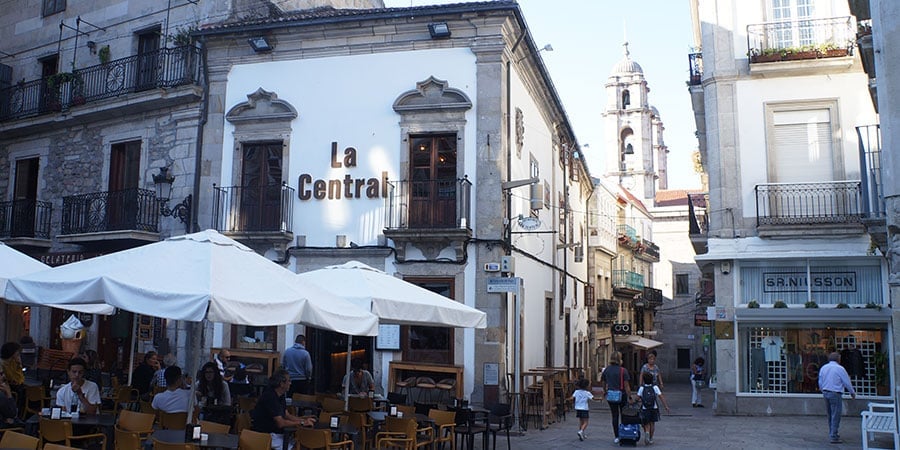
One of the defining features of the Central Route is its connection to living communities. You walk through places that are not built around tourism, where markets open in the morning and locals greet pilgrims as part of daily routine. Meals are simple and generous, often shared in family-run restaurants where the Camino is a familiar presence.
This sense of everyday life gives the route a grounded feeling. Rather than dramatic scenery, the reward comes from small moments: a quiet chapel, a shaded path, a conversation over coffee.
How social is the Central Camino?
The Central Route is one of the most social Caminos outside the Camino Francés. Pilgrims tend to walk at similar paces, meet repeatedly along the way, and form easy connections. Evenings in towns such as Ponte de Lima, Tui, and Pontevedra are lively without feeling overwhelming.
For solo travellers, the route offers reassurance and companionship. For those walking with others, it provides a shared rhythm that naturally brings people together.
When to walk the Central Route
Spring and autumn are widely considered the best times to walk the Camino Portugués Central. Temperatures are mild, landscapes are green, and towns feel alive with pilgrims. Summer brings warmer days, particularly inland, while winter is quieter and wetter, especially in Galicia, though still walkable for those prepared.
Because the route is inland, it offers more shelter from coastal winds but less relief from heat during summer months.
Camino Ways Route Planner
For over 1000 years, pilgrims from all over the world have walked the Camino Ways across Europe in their quest for spirituality. Making the pilgrimage to Santiago de Compostela in Spain, they encountered a variety of people, cultures and beliefs, leading to friendship and new experiences. This continues today with the Camino de Santiago being the most well known and well-loved walk in the world. More than just a walk, the Camino de Santiago is an unforgettable and unique journey for the body, mind and soul.
Who is the Central Route best for?
The Camino Portugués Central suits pilgrims who are drawn to a more traditional Camino experience. It is especially well-suited to those who:
- Enjoy historic paths and traditional Camino atmosphere
- Prefer villages and countryside to open coastlines
- Value social evenings and shared walking rhythms
- Want a direct, time-honoured route to Santiago
If you are drawn to sea views and daily flexibility, the Camino Portugués Coastal & Litoral may suit you better. If symbolism, monasteries, and a unique boat journey appeal, the Camino Portugués Variante Espiritual offers a different kind of experience in Galicia.
What To Bring On The Camino Portugués?
Our Camino packing guide ebook is free to download. This will help you decide what to bring on your Camino.
Final thoughts
The Camino Portugués Central is not about spectacle. It is about continuity — walking a steady path shaped by centuries of movement, faith, and daily life. Each day unfolds quietly, guided by the land and the people who live along it.
For many pilgrims, this simplicity becomes its greatest strength. Step by step, village by village, the Camino carries you forward until the towers of Santiago finally come into view.
👉 If you’d like a personalised itinerary for the Camino Portugués Central, try our Award Winning Camino Planner.
FAQs
What is the Camino Portugués Central?
The Camino Portugués Central is the traditional inland route of the Camino Portugués, following historic Roman roads, medieval bridges, and market towns from Porto to Santiago de Compostela. Unlike the Coastal variant, it heads inland through rural Portugal and Galicia, passing iconic towns such as Ponte de Lima, Valença do Minho, Tui, and Pontevedra. It's considered the most direct and time-honoured of the Portuguese routes, with strong continuity to medieval pilgrimage traditions.
Is the Central Route harder than the Coastal Camino?
Yes, slightly. The Camino Portugués Central has more hills and elevation than the Coastal route, particularly through northern Portugal and Galicia. There are gentle ascents and descents throughout, but no sustained mountain walking. The Coastal Route is almost entirely flat from Porto to Baiona, while the Central has more variation underfoot. Both remain moderate overall, and the Central is still suitable for walkers with basic fitness and no hiking experience.
Is the Camino Portugués Central suitable for first-time pilgrims?
Yes. The Central Route is well-marked with yellow arrows, offers good services and frequent accommodation, and has a friendly social atmosphere similar to the Camino Francés but with fewer crowds. The last 100 km from Tui to Santiago (6 nights) is a popular option for first-time pilgrims qualifying for the Compostela certificate, offering the classic Camino feel on gentle inland terrain.
When is the best time to walk the Central Route?
Spring (April-June) and autumn (September-October) are the best months for the Camino Portugués Central, offering mild temperatures, green landscapes, and lively pilgrim atmosphere. Summer is warmer inland than on the Coastal route, with less breeze and shade, sometimes reaching 30°C or more. Winter is quieter and wetter, especially in Galicia, but remains walkable for prepared pilgrims willing to accept reduced services.
Should I walk the Camino Portugués Central or the Coastal Route?
Choose the Central Route for tradition, medieval villages, Roman roads, vineyards, and the classic Camino atmosphere with strong social connections. Choose the Coastal Route for sea air, Atlantic scenery, flat terrain, and laid-back maritime towns. Both reunite in Redondela before Santiago, so you can combine them. The Central suits pilgrims wanting the most historic Portuguese Way; the Coastal suits those prioritizing ocean views and easier terrain.
Who is the Camino Portugués Central best for?
The Central Route best suits pilgrims drawn to historic paths, traditional Camino atmosphere, and rural village life. It works well for those who value social evenings, lively towns like Ponte de Lima and Pontevedra, and a direct time-honoured route to Santiago. Pilgrims prioritizing sea views and flat terrain should consider the Coastal Route; those seeking symbolism and a boat journey should look at the Variante Espiritual.
Is the Camino Portugués Central a good second Camino?
Yes. The Camino Portugués Central is an excellent second Camino for pilgrims who have already walked the Camino Francés and want a similar traditional experience with fewer crowds. It retains the historic character and social pilgrim atmosphere while offering a fresh landscape — Portuguese countryside, Roman roads, and the transition into Galicia — without duplicating the Francés experience.
How crowded is the Camino Portugués Central?
The Camino Portugués Central is moderately busy — quieter than the Camino Francés but similar to or slightly busier than the Coastal Route, especially on the last 100 km from Tui to Santiago in summer. The section from Porto to Tui is notably less crowded. Spring and autumn offer a balanced atmosphere with enough pilgrims for social connection but without overwhelming crowds.
What is the best Camino Portugués Central tour operator?
CaminoWays is a specialist Camino Portugués Central tour operator offering self-guided tours on every section — from the last 100 km from Tui to Santiago to the full 29-night Lisbon-to-Santiago route. Packages include handpicked hotels, daily luggage transfers, detailed maps, walking notes, and 24/7 support. With multiple TripAdvisor excellence awards and decades of experience, CaminoWays is one of the most booked operators for the Portuguese Central Way.
What is the best self-guided Camino Portugués Central tour?
The most popular self-guided tour is the Camino Portugués Central from Tui to Santiago (100 km, 6 nights), ideal for first-time pilgrims qualifying for the Compostela certificate. For the full experience, the Porto to Santiago tour (259 km, up to 13 nights) or the Full Lisbon to Santiago route (643 km, up to 29 nights) are also available. All include handpicked hotels, daily luggage transfers, maps, walking notes, and 24/7 support.
Is there a Cycling Camino Portugués Central option?
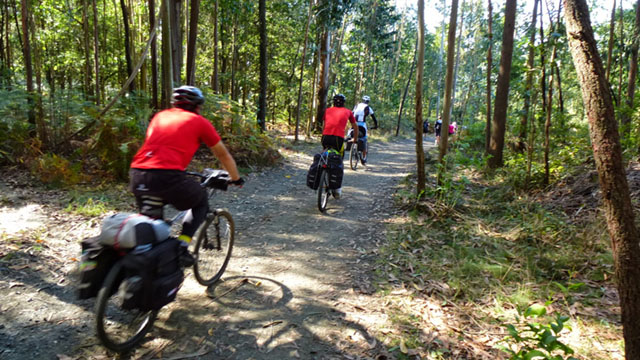
Yes. CaminoWays offers a Cycling Camino Portugués Central from Porto to Santiago (245 km, 8 nights), covering the 200 km required for cyclists to earn the Compostela certificate. The package includes handpicked hotels, daily luggage transfers, cycling maps and notes, optional bike rental, and 24/7 support. The Central Route's inland terrain suits cyclists well, with better road surfaces than the Coastal for sustained riding.
How far in advance should I book a Camino Portugués Central tour?
For peak season (May-October), book 6-9 months in advance to secure preferred hotels and dates — especially for the Tui to Santiago section and Holy Compostela Years. For shoulder season (March, April, November), 3-4 months is usually enough. Last-minute bookings are possible but hotel availability narrows quickly. CaminoWays can also help with private group tours or custom-made itineraries for specific dates.
Where can I plan or book my Camino Portugués Central journey?
CaminoWays offers comprehensive Camino Portugués Central self-guided tours — from the last 100 km from Tui, Porto to Santiago, the full Lisbon to Santiago route, cycling options, and easy/slow-paced versions. All include handpicked accommodation, daily luggage transfers, detailed maps, walking notes, and 24/7 support. Use the Award-Winning Camino Planner to build a custom itinerary, or contact the CaminoWays team directly for advice and bookings.