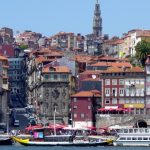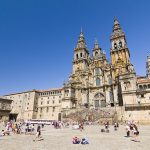
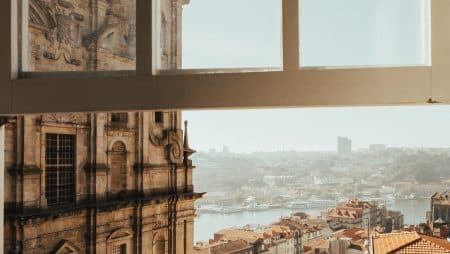
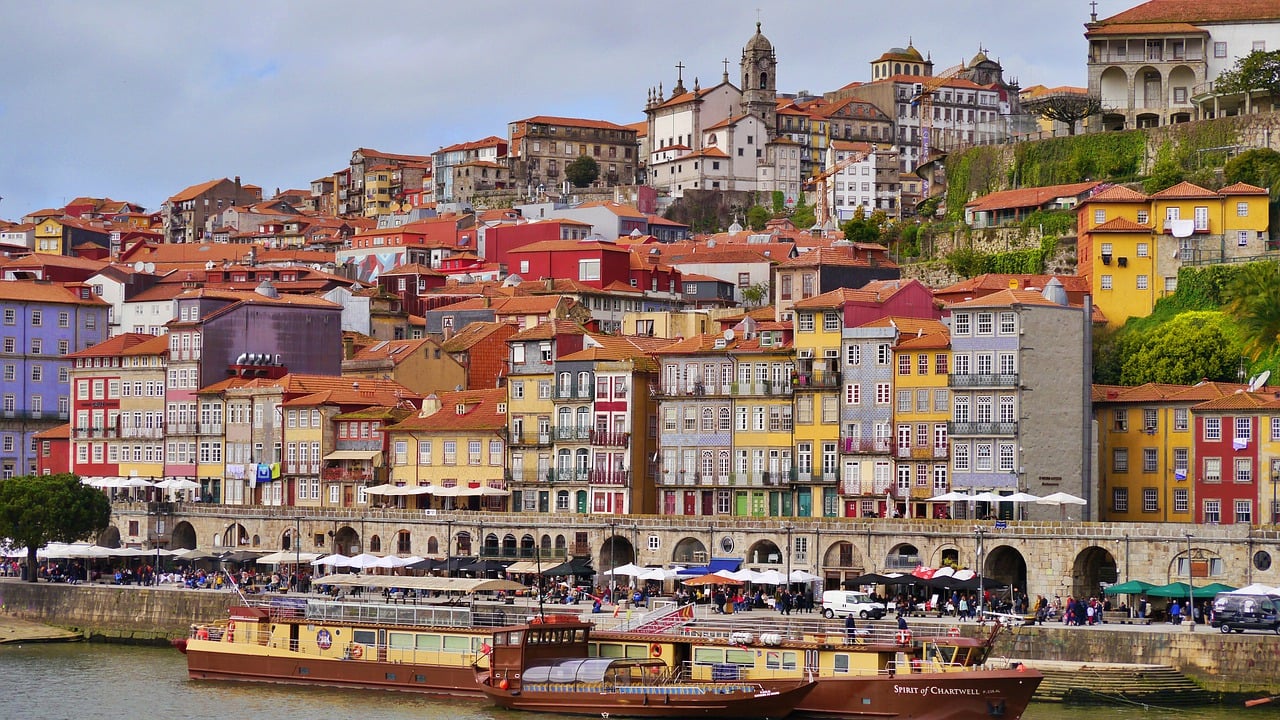
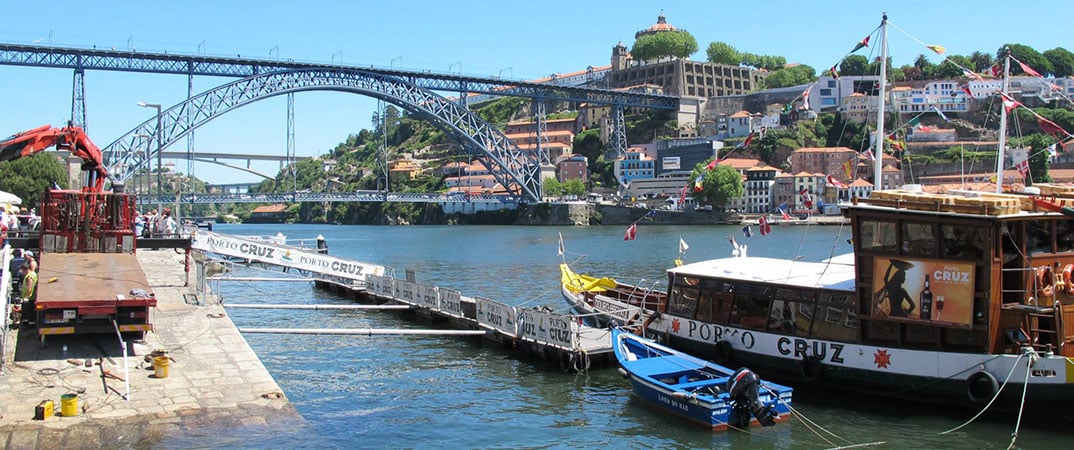



The Camino Portugués Central from Porto to Santiago de Compostela is the most popular section of the Portuguese Way and one of the best-loved Camino routes overall. Starting in Porto, Portugal’s charismatic riverside city, this route follows the historic inland pilgrim path north through Portugal and Galicia, finishing at the cathedral in Santiago de Compostela.
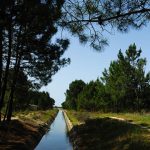
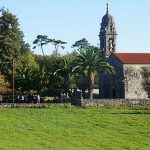
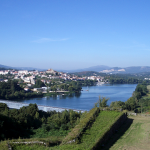
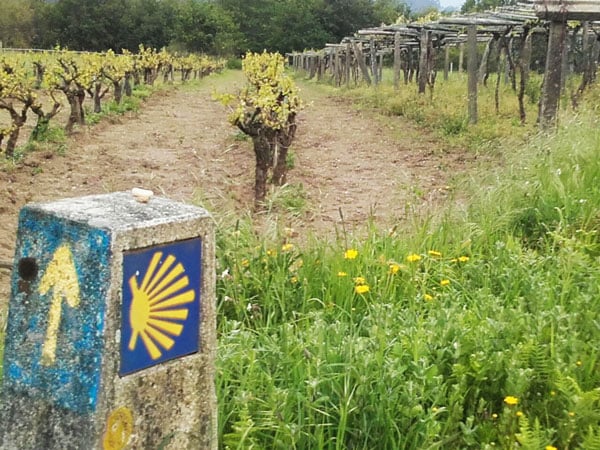
For many pilgrims, Porto is the ideal starting point. It offers excellent transport links, a clear sense of occasion, and enough distance to fully settle into the Camino experience without the longer commitment required when starting in Lisbon. From Porto, the Camino gradually leaves the city behind, moving through vineyards, forests, rural villages, and traditional market towns that have welcomed pilgrims for centuries.
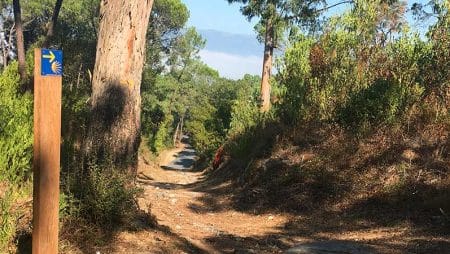
The Camino Portugues Central route is valued for its balance and depth. It is inland rather than coastal, which means fewer winds, more shade, and a stronger connection to historic Camino infrastructure. Waymarking is excellent, services are frequent, and the pilgrim community steadily grows as routes merge further north. This creates a social but not overwhelming atmosphere, especially appealing to first-time walkers.
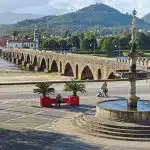
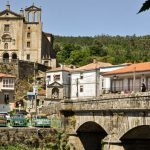
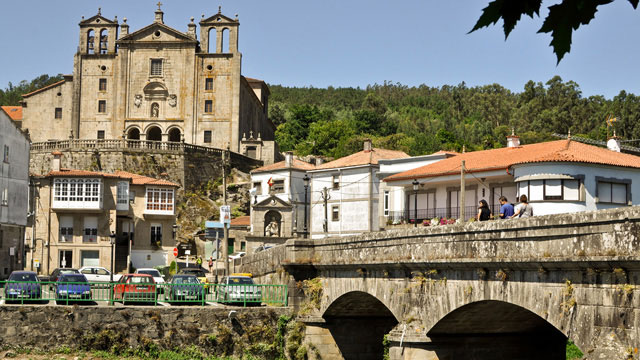
Along the way, you will pass through well-known Portuguese towns such as Barcelos, famous for its Camino heritage and weekly markets, and Ponte de Lima, often considered one of the prettiest stops on the Portuguese Way. After crossing the River Minho at Tui, the Camino continues through Galicia via Redondela, Pontevedra, Caldas de Reis, and Padrón.
Compared to the Camino Portugues coastal alternative, which follows the Atlantic via Vigo, the Camino Portugués Central from Porto feels more traditional and grounded in everyday inland life. It suits walkers who value history, cultural continuity, and a steady, purposeful journey. With varied scenery, manageable stages, and a clear pilgrim rhythm, this route builds naturally towards the emotional arrival in Santiago, making it a classic Camino choice for both first-timers and returning pilgrims.