


Camino Portugues Central from Tui to Santiago, last 100km
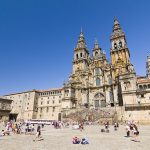
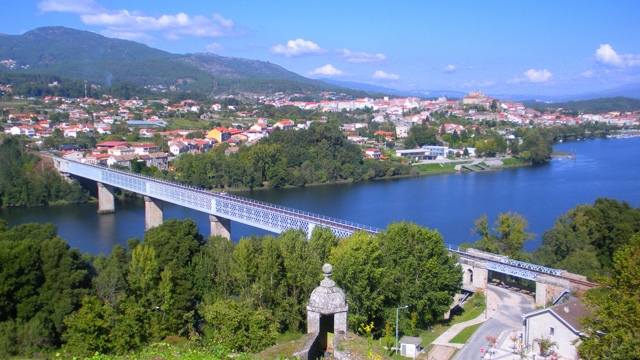
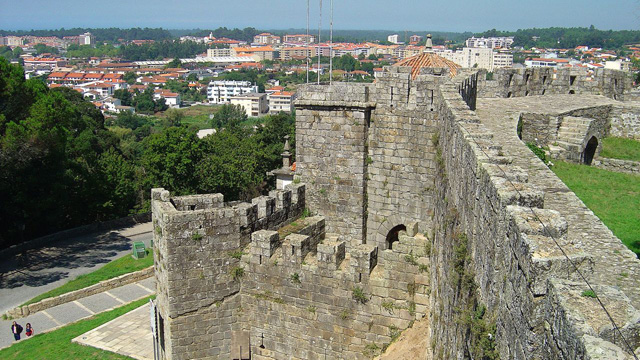
The Camino Portugués Central from Tui to Santiago, covering the last 100km, is one of the most popular and rewarding ways to experience the Camino de Santiago. Starting in Tui, just across the border from Portugal, this route follows the historic inland Portuguese Way through the heart of Galicia, ending at the cathedral in Santiago de Compostela.
This section represents the final stretch of a much longer journey that begins in Lisbon or Porto, but it also stands perfectly on its own. For many walkers, these last 100km offer the ideal balance: enough time to settle into the Camino rhythm, build connections with fellow pilgrims, and experience the cultural depth of Galicia, without committing to a full month-long walk. It is also the minimum distance required to earn the Compostela certificate, making it especially attractive for first-time pilgrims.
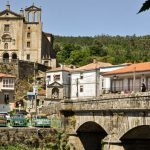
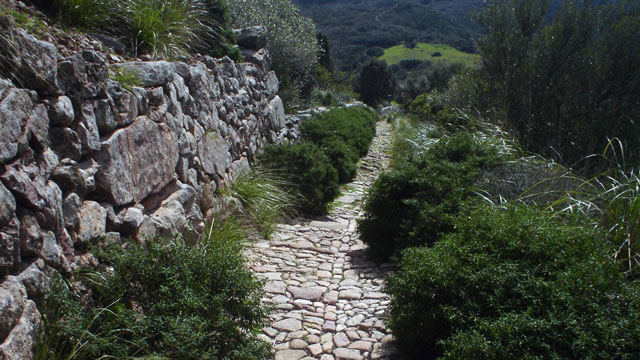
From Tui, the Camino leads you through a landscape shaped by rivers, forests, stone villages, and small market towns. The walking is varied but approachable, combining woodland paths, ancient bridges, cobbled streets, and gentle hills. Each day brings a mix of quiet reflection and shared Camino moments, as routes merge and pilgrim numbers slowly increase the closer you get to Santiago.
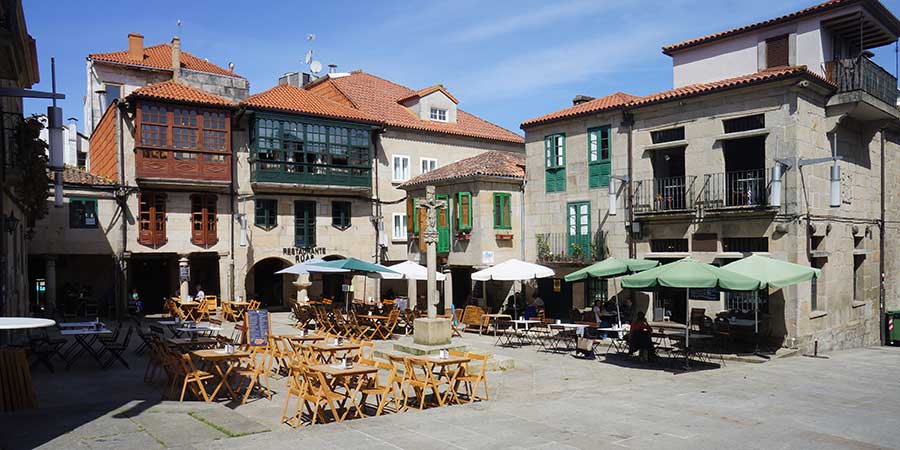
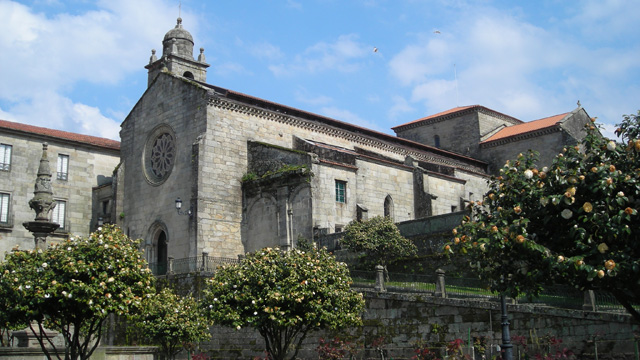
You will pass through well-known Camino towns such as Pontevedra, admired for its elegant old town, Caldas de Reis, famous for its thermal waters, and Padrón, traditionally linked to the arrival of Saint James’ remains. These towns offer a strong sense of pilgrimage tradition, alongside cafés, bakeries, and shaded squares where daily life continues at a gentle pace.
The Camino Portugués Central from Tui is often described as friendly, social, and well-supported. Waymarking is excellent, services are frequent, and accommodation options are varied. Compared to coastal routes, this inland path feels more rooted in Camino history and long-established pilgrimage culture. It is a thoughtful, steady journey that gradually builds towards the emotional arrival in Santiago, where effort, anticipation, and reflection come together in the cathedral square.