
Camino Portugues Coastal
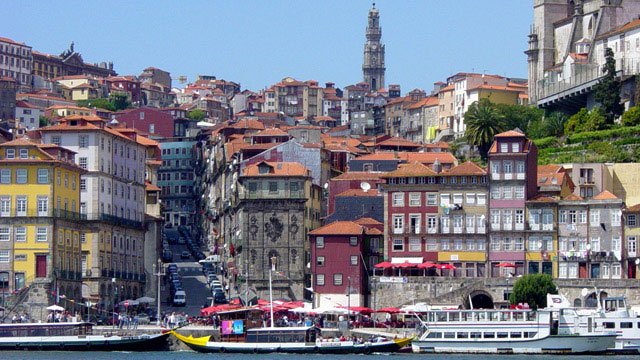
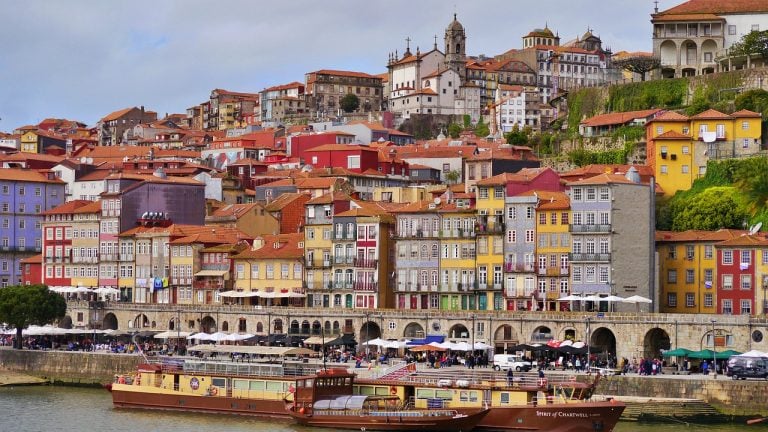
The Camino Portugués Coastal is the most walked branch of the Camino Portugués, following the Atlantic north from Porto to Santiago de Compostela: 259 km, around 12 walking days, past Vila do Conde, Viana do Castelo and Baiona before turning inland at Redondela. Most pilgrims walk the last 100 km from Vigo, which takes six nights and earns the Compostela; the full route from Porto takes up to 13 nights.
Running beside it is the Senda Litoral, a boardwalk path that hugs the shore. They are not rival routes: both begin and end each stage in the same towns, so you can swap between them day by day.
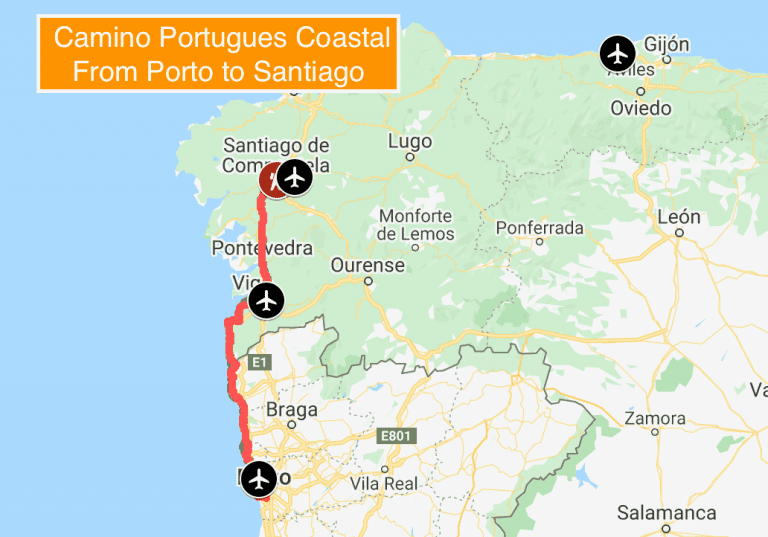
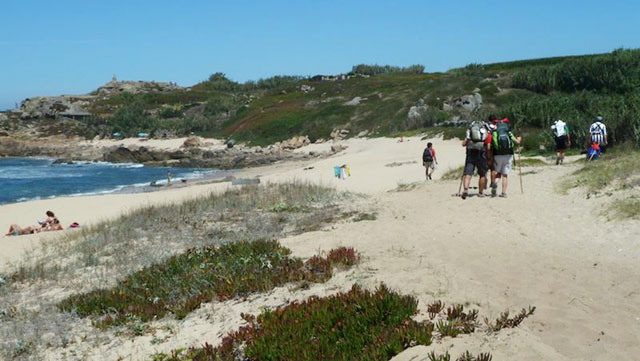
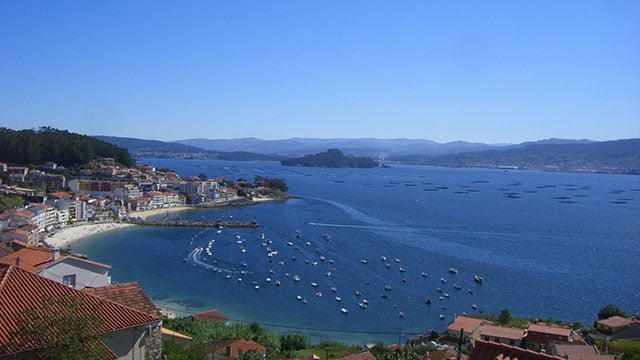
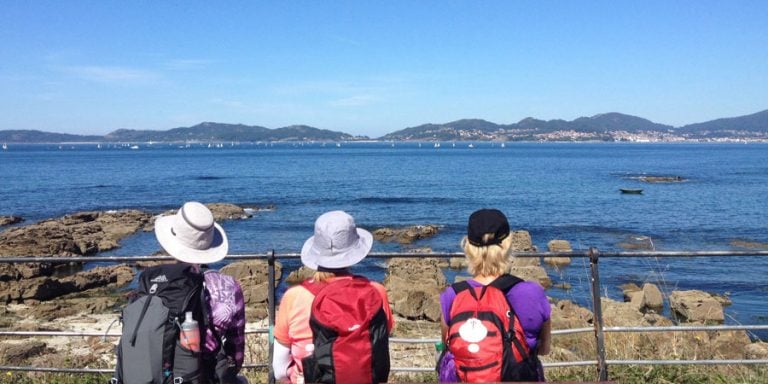
Walking this route means staying close to the sea and the traditions shaped by it. Along the way, pilgrims pass through maritime towns, enjoy fresh seafood and local vinho verde, and walk beside long beaches where wooden boardwalks stretch along the coastline. As Portugal gradually gives way to Galicia, the landscape softens into forests, farmland and traditional villages, offering a gentle transition inland on the final days.
Many walkers appreciate the combination of nature, culture and comfort, supported by services such as Camino luggage transfers, which allow you to walk freely without carrying heavy bags.
Calmer than the Camino Francés and more flexible than many traditional routes, the Coastal Camino appeals to pilgrims seeking space, choice and a slower pace. It is a journey that invites reflection without demanding it, gently reminding walkers that the Camino de Santiago is not only about where you finish, but how you choose to walk each day.
Suggested Routes

Highlights of the Camino Portugués Coastal
- Two UNESCO World Heritage cities: Porto and Santiago de Compostela.
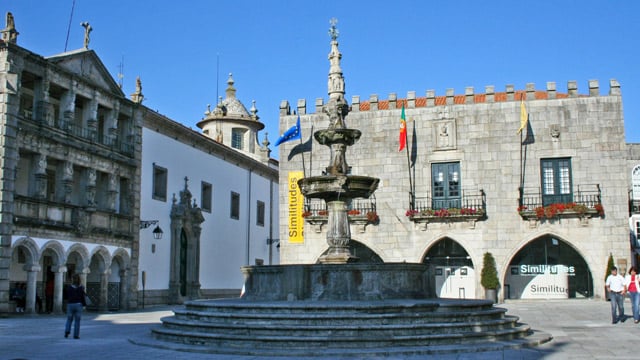
- Viana do Castelo and Baiona – charming coastal towns.
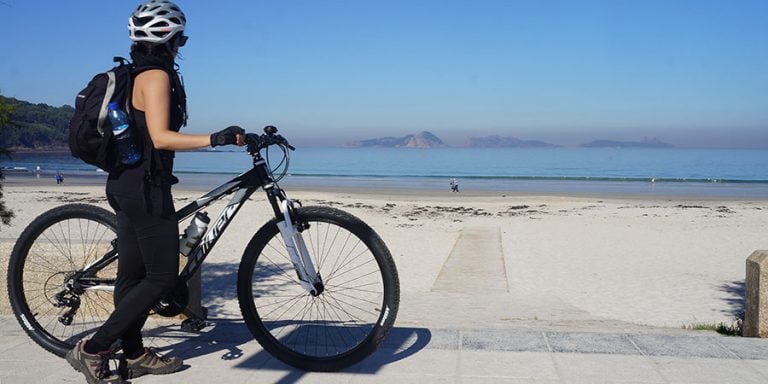
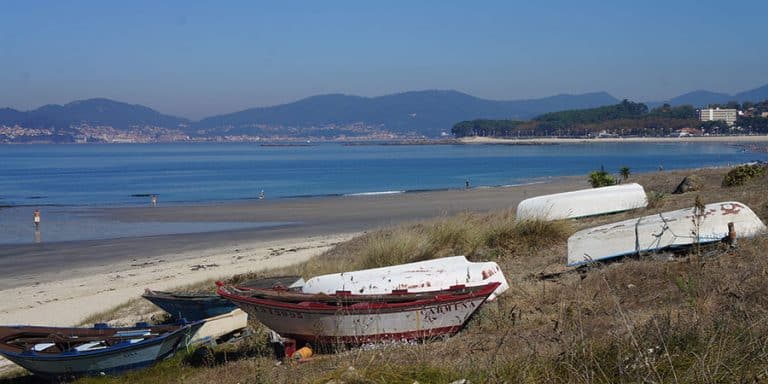
- Atlantic boardwalks and long beach walks along the Portuguese and Galician coast.
- Cíes Islands near Vigo – a protected natural paradise just offshore.
- Fresh seafood, Albariño wine and coastal pilgrim menus.
- A balance of ocean paths, quiet villages, forests and gentle inland stretches.
What makes it special?
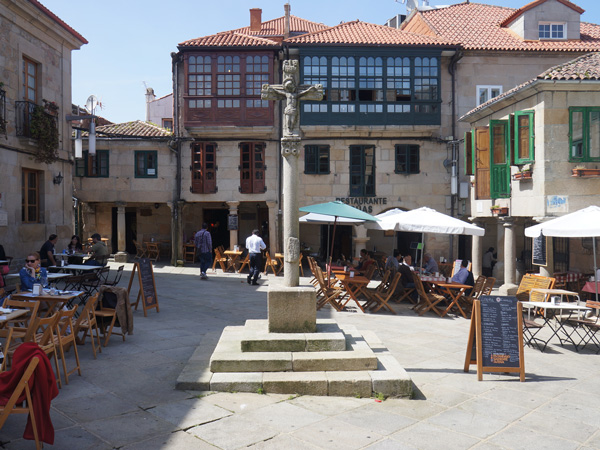
The Camino Coastal offers a unique mix of culture and coast. You’ll follow trails once walked by medieval pilgrims, cross ancient Roman roads and pass shrines dedicated to Saint James. Yet, this Camino is equally about slow evenings by the ocean, enjoying sunsets, fresh shellfish and the rhythm of traditional Portuguese villages.
Where does the Camino Portugués Coastal actually go?
Out of Porto the route picks up the Atlantic almost immediately, running through Vila do Conde and Póvoa de Varzim on long wooden passadiços, the boardwalks that carry you above the dunes as far as Esposende. Viana do Castelo, halfway to the border, is the handsome stop most walkers remember from the Portuguese side: a riverside town with a basilica on the hill above it.
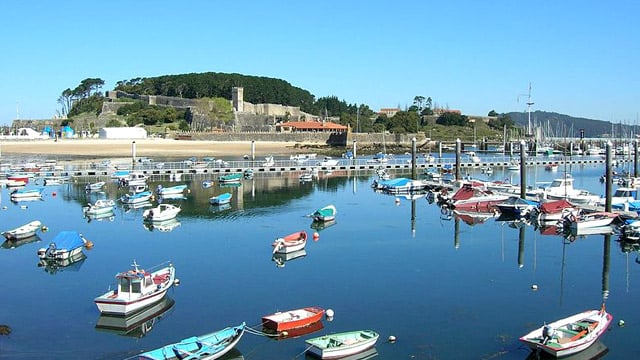
The border comes at Caminha, and it comes by water. A small ferry crosses the mouth of the Minho into Spain and leaves you in A Guarda, which is the moment the walk changes character. From there the path hugs the open Atlantic past the Cistercian monastery of Santa María de Oia, sitting alone between the road and the sea, before reaching Baiona, the port where the Pinta arrived in 1493 with the first news of the New World and the starting point of our guided coastal walk. Vigo follows, the biggest city on the route and the start of the last 100 km, and at Redondela the coastal path turns inland and joins the Camino Portugués Central for the final two days into Santiago.
Coastal Route and Litoral Way: one Camino, two choices
The Coastal and Litoral routes are one branch (and the most popular) of the wider Camino Portugués, which begins in Lisbon and splits in Porto into three main options: the inland Camino Portugués Central, the Camino Portugués Coastal & Litoral routes, and, later in Galicia, the Camino Portugués Variante Espiritual. All three paths reconnect before Santiago.
From Porto to Redondela, the Coastal and Litoral routes split and merge repeatedly, sometimes more than once in a single stage. The biggest differences appear on a few key sections, such as Porto to Vila do Conde, parts between Esposende and Viana do Castelo, and the stretch from Baiona to Vigo. On these days, the contrast between inland walking and continuous sea views is most noticeable.
- The Coastal Route (Caminho da Costa) is the officially marked Camino. It follows the ocean at times, but often turns inland through villages, forests and farmland. Overall, roughly 30% of this route runs close to the sea. It is clearly waymarked with yellow arrows and works well for both walkers and cyclists.
- The Litoral Way (Senda Litoral) stays as close to the Atlantic as possible. Around 80% of it follows promenades, boardwalks, beaches and coastal paths. It is flatter and more open, but less consistently marked. Navigation is usually straightforward, as the route simply follows the coastline north, yet some pilgrims prefer to use a map or GPS for reassurance.
👉 The most important point is that you do not need to choose a single route for the entire journey. Both options start and finish each stage in the same towns. Most pilgrims naturally mix them, choosing the Litoral on calm, clear days and the Coastal route when they want shade, shelter, or clearer signage.
How hard is the Camino Portugués Coastal?
The first week, from Porto to Baiona, is mostly flat along the coast. The second week, from Baiona to Santiago, has some hills with daily ascents and descents of up to 400 metres.
The trail is well-marked, with decent paths, so heavy hiking boots aren’t necessary. The Camino Portuguese coastal route is 50% footpaths and 50% quiet laneways, with no busy traffic to worry about.
Weather, wind and walking by the Atlantic
Walking beside the ocean brings light, spacecand fresh air, but it also brings exposure. The Atlantic breeze can be refreshing in warm weather and more challenging on cooler or windy days. Shade is limited on the Litoral Way, while the Coastal route often provides shelter inland.
Most pilgrims find that the flexibility of the Coastal Camino is what makes it so forgiving. The route allows for gentler days by the sea and more sheltered inland stretches, helping walkers adapt naturally to weather and energy levels.
When to Walk the Portuguese Camino
- Spring & Autumn – best conditions, mild weather, lively atmosphere.
- Summer – warm but manageable (cooler on the coast).
- Winter – wetter months, especially in Galicia, but still walkable.
👉 See our guide: Best time to walk the Camino.
How social is the Coastal Camino?
The Camino Portugués Coastal is often described as quieter than many other Camino de Santiago routes, yet it is far from solitary. Social connections form naturally along the way, whether in seaside cafés, on coastal promenades or in the shared towns where pilgrims gather at the end of each stage. Conversations tend to unfold easily, sparked by shared views of the ocean, changing weather and the simple rhythm of walking the same path.
In spring and autumn, the atmosphere is calm and reflective. In summer, the Camino feels livelier, especially near popular coastal towns. It suits those who enjoy company without the intensity of constant crowds. For those who enjoy a little extra companionship, guided Camino tours running from April to September add another gentle layer of social connection, bringing together small groups of like-minded walkers who share the same rhythm and destination.
Camino Ways Route Planner
For over 1000 years, pilgrims from all over the world have walked the Camino Ways across Europe in their quest for spirituality. Making the pilgrimage to Santiago de Compostela in Spain, they encountered a variety of people, cultures and beliefs, leading to friendship and new experiences. This continues today with the Camino de Santiago being the most well known and well-loved walk in the world. More than just a walk, the Camino de Santiago is an unforgettable and unique journey for the body, mind and soul.
Food, comfort, and daily ease
One of the understated pleasures of this route is how easy daily life feels. Coastal towns offer frequent places to rest, eat or simply sit and watch the sea. Fresh seafood, simple pilgrim menus, and local wines are part of everyday walking rather than special occasions.
This abundance of services makes the Camino especially welcoming for first-time pilgrims. Knowing that food, accommodation and support are never far away creates a sense of ease that carries through the entire journey.
Do you get the Compostela on the Coastal Route?
To receive the Compostela pilgrim certificate in Santiago:
- Walk at least 100 km (most start in Vigo).
- Cycle at least 200 km (e.g. Porto–Santiago).
👉 Learn more: Compostela facts.
What To Bring On The Camino Portugués?
Our Camino packing guide ebook is free to download. This will help you decide what to bring on your Camino.
What should you pack for the Camino Portugues Coastal?
Download our free Camino Packing List for essentials.
Key items: lightweight shoes, layered clothing, rain protection, and pilgrim passport (credencial).
Services That Make It Easy
When booking with CaminoWays, your journey is smooth and supported:
- Handpicked hotels for rest and comfort.
- Luggage transfers so you can walk light.
- 24/7 assistance and maps provided.
👉 See Guided Tours.
👉 Or browse Self-Guided Tours.
Walking together: couples, families and mixed abilities
The Camino Portugués Coastal works particularly well for people walking together at different paces. Its gentle terrain, coastal services and well-spaced stages make it easy for couples, families and small groups to enjoy the journey together without pressure or competition, this flexibility keeps the experience relaxed and shared rather than competitive.
The Camino Portugués Coastal invites you to walk with freedom. Some days you will follow the sea without question. Other days the route turns gently inland, offering shade, quiet paths and a slower rhythm. There is no fixed pattern, only a journey shaped by weather, mood and curiosity.
Which Camino Portugues to Choose?
If you are still deciding which Portuguese Camino suits you best, it can help to compare the experience. The Camino Portugués Central follows historic inland paths through vineyards and Roman roads, while the Camino Portugués Variante Espiritual adds monasteries and a symbolic boat journey in Galicia. Each route offers a different way of arriving in Santiago, shaped by landscape rather than distance.
FAQs
What is the difference between the Coastal Route and the Litoral Way?
The Coastal Route (Caminho da Costa) is the officially marked Camino Portugués Coastal, signposted with yellow arrows from Porto to Santiago. It follows the sea at times but often turns inland through villages, forests, and farmland — around 30% runs close to the ocean. The Litoral Way (Senda Litoral) is an alternative path that stays as close as possible to the Atlantic, with roughly 80% along promenades, boardwalks, and beaches. Both routes start and finish each stage in the same towns.
Can I combine the Coastal Route and the Litoral Way?
Yes, and most pilgrims do. Both routes start and finish each stage in the same towns, so you can choose day by day — the Litoral on calm, clear days for constant sea views, and the Coastal Route when you want shade, shelter, or clearer waymarking. The biggest contrasts appear between Porto and Vila do Conde, Esposende to Viana do Castelo, and Baiona to Vigo, where inland and ocean paths differ most.
Is the Litoral Way suitable for cyclists?
No, the Litoral Way is mainly suited to walkers. Some sections include sand, wooden boardwalks, narrow coastal paths, and areas unsuitable for bikes. Cyclists usually follow the Coastal Route (Caminho da Costa), which has better surfaces and clearer waymarking. To earn the Compostela certificate, cyclists must complete at least 200 km — CaminoWays offers a dedicated Cycling Camino Portugués Coastal from Porto to Santiago (259 km, 8 nights).
Where does the Coastal Camino rejoin the inland Camino?
Both the Coastal Route and the Litoral Way merge with the inland Camino Portugués Central in Redondela, Galicia, approximately 40 km before Santiago de Compostela. From Redondela onwards, all pilgrims from the different Portuguese Camino variants walk the same path through Pontevedra, Caldas de Reis, Padrón, and finally into Santiago. The Variante Espiritual also rejoins this shared Camino near Padrón.
Is the Camino Portugués Coastal well waymarked?
Yes. The Coastal Route is clearly marked with yellow arrows and scallop shell symbols, especially from Porto to Redondela, making navigation straightforward for walkers and cyclists. The Litoral Way has less consistent signage, as it simply follows the coastline, so some pilgrims prefer using a map or GPS for reassurance. CaminoWays tours include detailed walking notes and maps for both paths to ensure you never lose your way.
Is the Camino Portugués Coastal the easiest Camino de Santiago route?
Yes, the Camino Portugués Coastal from Vigo to Santiago is widely considered one of the easiest Camino routes. The terrain is mostly flat, paths are 50% footpaths and 50% quiet lanes, waymarking is excellent, and coastal towns offer frequent rest stops. It qualifies for the Compostela certificate in 6-7 days, making it a top choice for first-time pilgrims, beginners, and travelers seeking accessible walking along the Atlantic coast.
Should I walk the Camino Portugués Coastal or the Central Route?
Choose the Coastal Route for sea air, flat terrain, Atlantic scenery, and a laid-back maritime atmosphere. Choose the Central Route for tradition, historic inland villages, Roman roads, vineyards, and a more classic Camino experience. Both reunite in Redondela before Santiago, so you can combine them. The Coastal is easier and scenic; the Central is more cultural and social. Neither is better — it depends on what you hope to feel.
How crowded is the Camino Portugués Coastal?
The Camino Portugués Coastal is quieter than the Camino Francés but busier than routes like the Norte or Primitivo, especially in summer between Vigo and Santiago. The Porto to Vigo stretch is significantly less crowded. Spring and autumn offer a calm, reflective atmosphere with fewer pilgrims. You'll meet fellow walkers in seaside cafés and shared accommodation towns without the constant crowds of the Francés from Sarria.
Is the Camino Portugués Coastal a good second Camino?
Yes. The Camino Portugués Coastal is an excellent choice for pilgrims who have already walked the Camino Francés and want something different. Its maritime character, Portuguese culture, flatter terrain, and quieter atmosphere provide a genuinely fresh experience. Many repeat pilgrims describe the Coastal route as more reflective and gentle than the Francés — a perfect second Camino before exploring more challenging routes like the Primitivo or Norte.
How much does the Camino Portugués Coastal from Porto to Santiago cost?
A self-guided Camino Portugués Coastal tour from Porto to Santiago (259 km, up to 13 nights) typically starts from around €1,200 per person. The package includes pre-booked handpicked hotels, daily luggage transfers, detailed walking notes, maps, welcome pack, and 24/7 support. Prices vary by season, accommodation category (standard or superior), and group size. Early booking is recommended for peak months (May-October) to secure your preferred hotels.
Are there guided group tours on the Camino Portugués Coastal?
Yes. CaminoWays offers a popular Guided Camino Portugués Coastal tour from Baiona to Santiago (126 km, 7 nights), led by experienced English-speaking tour leaders. The package includes daily walks with the guide, handpicked accommodation, luggage transfers, selected group meals, and cultural visits. It's ideal for solo pilgrims or those who prefer the social atmosphere of walking with a small international group.
Can I cycle the Camino Portugués Coastal with a tour operator?
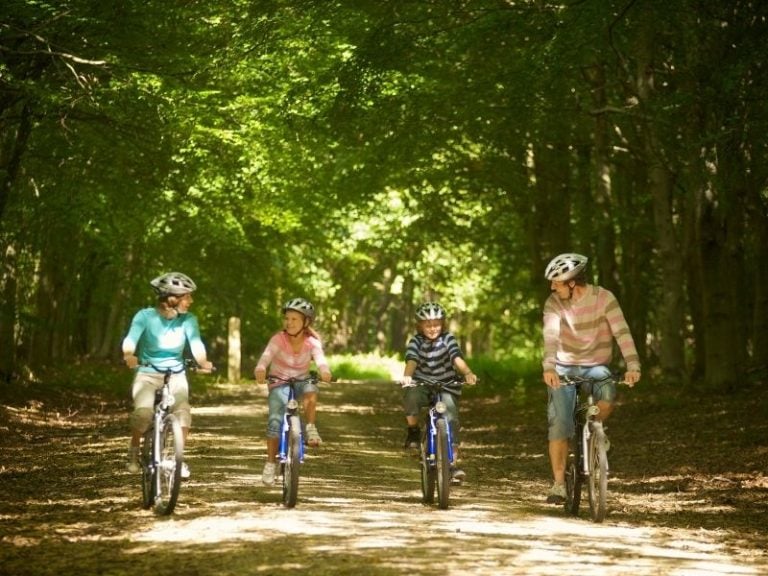
Yes. CaminoWays offers a dedicated Cycling Camino Portugués Coastal tour from Porto to Santiago (259 km, 8 nights) — covering the 200 km required for cyclists to earn the Compostela certificate. Packages include handpicked hotels, daily luggage transfers, cycling maps and notes, optional bike rental, and 24/7 support. Family cycling options on the Coastal route (100 km, 6 nights) are also available for those traveling with children.
Is there an easy or slow-paced Camino Portugués Coastal tour?
Yes. The Easy Camino Portugués Coastal from Vigo to Santiago (100 km, 10 nights) is specifically designed for slower walkers, beginners, or pilgrims wanting more rest time. It covers the same distance as the standard tour but with 4 extra nights and shorter daily stages, giving flexibility to explore each town in depth. All standard CaminoWays support services are included — handpicked hotels, daily luggage transfers, maps, and 24/7 support.
Can I book the full Camino Portugués from Lisbon to Santiago?
Yes. CaminoWays offers the Full Camino Portugués from Lisbon to Santiago (643 km, up to 29 nights), combining the Central route from Lisbon to Porto with the Coastal route from Porto onwards. The package includes handpicked hotels, daily luggage transfers, detailed maps and walking notes, airport transfer arrangements, and 24/7 support throughout the 4-5 week pilgrimage. Ideal for pilgrims seeking the complete Portuguese Way experience.