
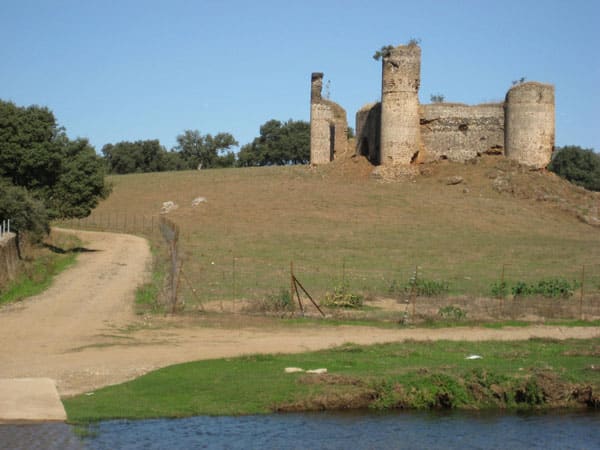
Among the main Camino de Santiago routes, the Via de la Plata is the least travelled, with only 2–3% of all pilgrims choosing it each year. Stretching approximately 1,000 km from Seville to Santiago, this ancient Roman road offers solitude, diverse landscapes across Extremadura and Castile and León, and a richer sense of historical depth than the busier Camino Francés or Camino Portugués. Several smaller routes — such as the Camino de Invierno — receive even fewer pilgrims, but lack the infrastructure of the main Caminos.
Embarking on a Camino de Santiago pilgrimage is an experience filled with spiritual, cultural, and physical enrichment. While the popular Caminos, like the French Way and the Portuguese Way, often attract large numbers of travellers, some seek a quieter, more solitary journey. For those yearning for a path less trodden, the least travelled Camino offers a unique opportunity. But which one is it? Let’s explore.
Understanding the Camino de Santiago
The Camino de Santiago, also known as the Way of St. James, is a network of pilgrim routes leading to the shrine of the apostle Saint James the Great in the cathedral of Santiago de Compostela in Galicia, northwestern Spain. Traditionally, these paths have been walked as a pilgrimage, with various routes starting from different parts of Europe.
The Most Popular Routes
The most frequented routes include the Camino Francés (the French Way) and the Camino Portugués (the Portuguese Way). These routes are renowned for their well-established infrastructure, beautiful landscapes, and rich cultural experiences.
Discovering the Least Travelled Camino: The Via de la Plata
Historical Significance
The Via de la Plata, or the Silver Route, is considered the least travelled Camino. This ancient path has historical roots dating back to the Roman times, originally serving as a Roman road. It stretches approximately 1,000 kilometres, making it one of the longest Camino routes.
The Journey
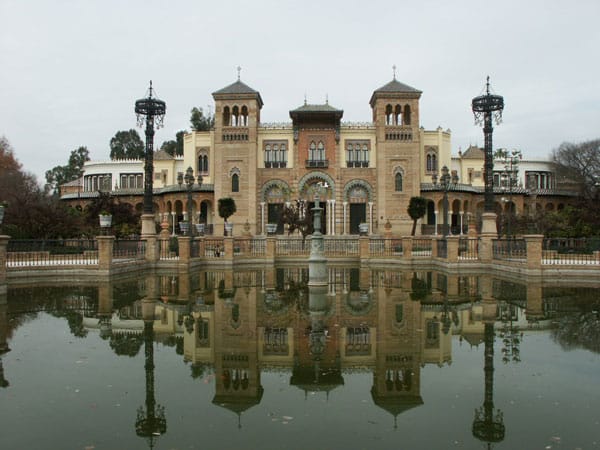
Starting from Seville in southern Spain, the Via de la Plata travels north through the less frequented regions of Extremadura and Castile and León before reaching Santiago de Compostela. This route offers a distinctive experience, diverging from the more popular paths in terms of scenery, culture, and solitude.

Why Choose the Via de la Plata?
Solitude and Reflection
With its relatively lower foot traffic, it offers an ideal setting for pilgrims seeking a journey rich in introspection and solitude. This lesser-known path provides a more contemplative and personal experience, allowing pilgrims the space and quiet to deeply reflect and connect with their surroundings and themselves. This unique atmosphere of tranquillity and personal space makes the Via de la Plata a special choice for those looking for a more solitary pilgrimage experience.
Diverse Landscapes
The Via de la Plata traverses a tapestry of diverse landscapes, actively revealing the varied beauty of Spain. It takes pilgrims through the verdant valleys of southern Spain and into the rugged terrain of the north. This variety enriches the journey with visually stunning and distinct scenery, offering a different experience from the more frequented northern Camino routes.
Rich Cultural Tapestry
The Via de la Plata actively showcases the rich history and cultural diversity of Spain. As pilgrims journey along this route, they encounter Roman ruins, medieval towns, and regions teeming with unique local traditions. This path offers an enlightening glimpse into the less explored aspects of Spanish heritage, making it a vibrant and educational experience.
Preparing for the Via de la Plata
Physical Demands
Given its length and diverse terrain, the Via de la Plata can be physically demanding. Adequate preparation, including physical training, is advisable. Check out how to train to walk the Camino to discover essential tips.
Accommodation and Infrastructure
While the Via de la Plata has undergone infrastructure improvements, it still offers fewer facilities compared to the more popular Camino routes. So, actively planning accommodation is highly recommended, particularly in the route’s more remote areas. This proactive approach ensures a smoother journey, providing comfort and security throughout the pilgrimage. For more information on accommodation and planning, contact us.
Best Time to Travel
Spring and autumn actively present the best times to walk the Via de la Plata. These seasons offer favourable weather conditions, enhancing the walking experience. They allow pilgrims to avoid the extreme heat of the Spanish summer, making the journey more comfortable and enjoyable. This choice of timing aligns the pilgrim’s journey with the most pleasant climatic conditions. Check out our blog on which months to walk the Camino.
Other Quiet Camino Routes to Consider
While the Via de la Plata is the least travelled of the main Camino routes, several other paths offer even more solitude. These are ideal for pilgrims who want to step away from the busier trails and experience a more remote, contemplative Camino.
Camino Primitivo
The Camino Primitivo is the original Camino de Santiago, walked by King Alfonso II in the 9th century. Stretching around 320 km from Oviedo to Santiago de Compostela, it crosses the mountains of Asturias and Galicia. Around 5% of pilgrims walk it each year, making it quieter than the Camino Francés or Camino Portugués, but with more infrastructure than the Via de la Plata. Its highlight is the dramatic Hospitales route, with panoramic mountain views.
Camino de Invierno
The Camino de Invierno (the “Winter Way”) was historically used by pilgrims to avoid the snow-covered O Cebreiro mountain pass on the Camino Francés. It branches off at Ponferrada and follows the Sil River through Galicia for around 270 km, joining the Camino Sanabrés before reaching Santiago. Walked by less than 1% of pilgrims, it offers rural villages, vineyards of the Ribeira Sacra, and almost complete solitude.
Camino Inglés
The Camino Inglés is the traditional route used by pilgrims arriving by sea from Ireland, the UK, and northern Europe. Around 120 km from Ferrol (or 75 km from A Coruña) to Santiago, it is the shortest of the official Caminos to Santiago de Compostela. Around 4% of pilgrims choose it, and it offers a perfect blend of authenticity, low crowds, and manageable distance — ideal for a first-time quieter Camino.
Embracing the Road Less Travelled
The Via de la Plata presents a unique opportunity for pilgrims to explore a less crowded but equally enriching path of the Camino de Santiago. Its combination of solitude, stunning landscapes, and rich cultural heritage makes it a compelling choice for those looking to venture off the beaten path. Whether you’re a seasoned pilgrim or a first-time traveller, the Via de la Plata offers a deeply personal and unforgettable journey, full of discovery and self-reflection.
For more information about the Camino de Santiago routes or to book your trip, contact us.
FAQ
Among the main routes, the Via de la Plata is the least travelled, walked by only 2–3% of pilgrims each year. Some smaller, lesser-known routes like the Camino de Invierno or Camino del Salvador receive even fewer pilgrims, but they have far less infrastructure and are typically chosen by experienced walkers.
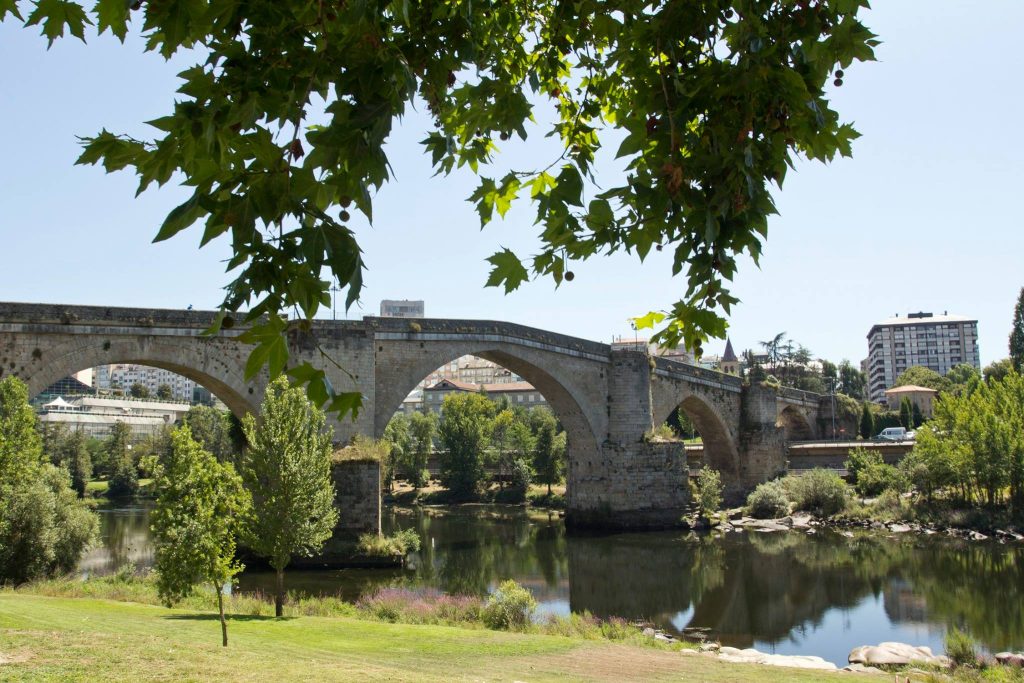
The Via de la Plata covers approximately 1,000 km from Seville to Santiago de Compostela, making it one of the longest Camino routes. Most pilgrims complete it in 5 to 6 weeks, though many choose to walk shorter sections, such as Ourense to Santiago (around 100 km).
The Via de la Plata is less travelled because of its length, the demanding terrain across Extremadura, the hot summer climate in southern Spain, and the longer gaps between accommodation in remote stretches. These same factors are what make it deeply rewarding for pilgrims seeking
Yes. Many pilgrims choose to walk just the final section of the Via de la Plata, from Ourense to Santiago, which is approximately 110 km and takes about a week. At CaminoWays, we offer a shorter manageable section with handpicked accommodation and 24/7 support included.
Spring (April–May) and autumn (September–October) are the best times to walk the Via de la Plata. These seasons offer mild temperatures and avoid the extreme summer heat of southern Spain, which can exceed 40°C in Extremadura between June and August.
The Camino Francés is the busiest Camino route, walked by around 50% of all pilgrims, with strong infrastructure and a social atmosphere. The Via de la Plata is one of the quietest, walked by only 2–3% of pilgrims, offering more solitude, Roman historical sites, and dramatic landscapes — but fewer services and accommodation along the way.
Yes. Booking with a Camino specialist like CaminoWays is especially useful on quieter routes like the Via de la Plata or Camino Primitivo, where accommodation is limited and planning is more complex. We arrange your hotels, luggage transfers and route notes in advance, so you can walk freely knowing your logistics are taken care of.
