Historical Significance
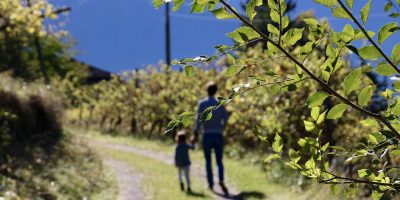
The Val d’Orcia in Tuscany is a must-see region on the Via Francigena and a key highlight of the Camino to Rome. This historic route, originally known as Via Cassia, has crossed the Val d’Orcia since Roman times. Over the centuries, the Via Francigena has played a vital role in facilitating trade and the exchange of ideas between France and Italy. For many generations, merchants and pilgrims have journeyed through the Val d’Orcia, the valley of the Orcia River.
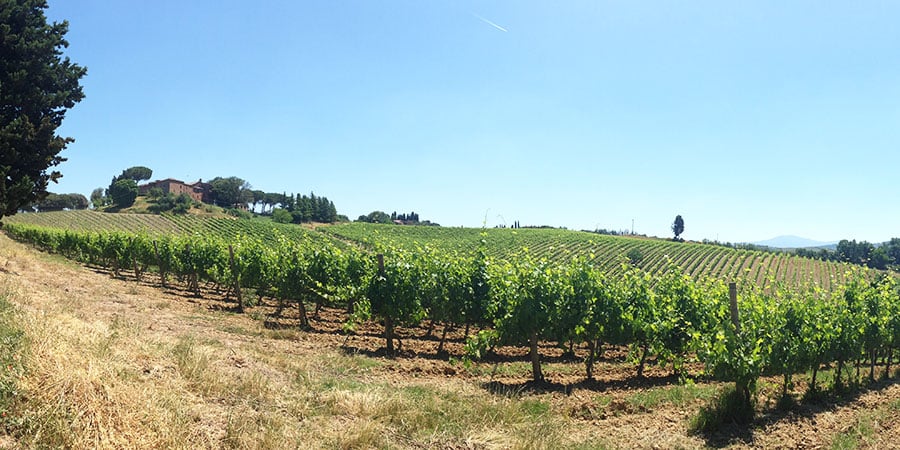
Table of contents
UNESCO World Heritage Site
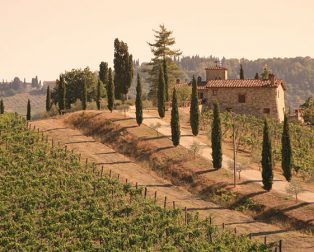
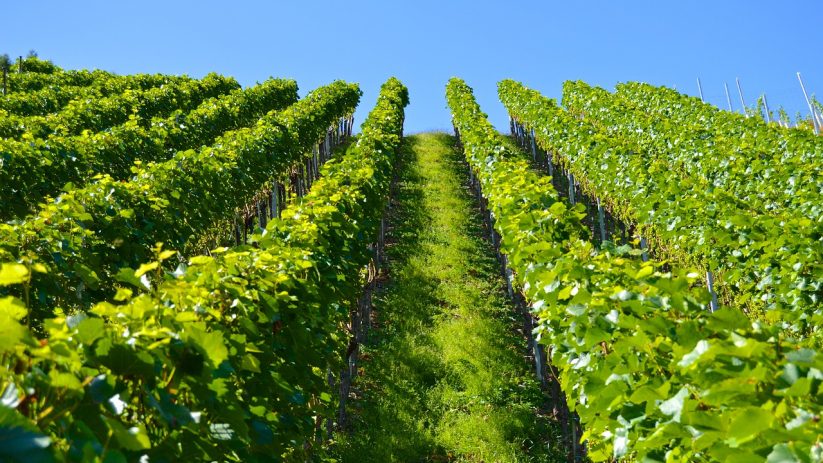
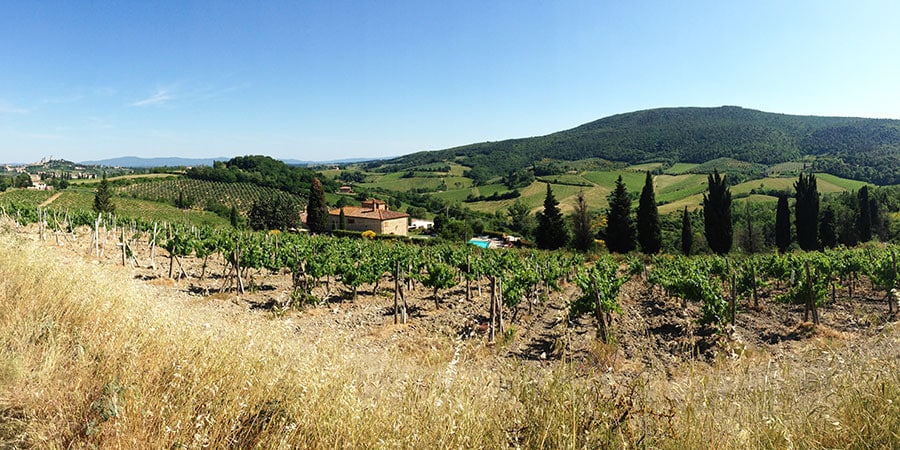
Designated a UNESCO World Heritage Site, the Val d’Orcia is celebrated for its outstanding natural and cultural significance. The landscape is a prime example of Renaissance agricultural design, where functionality seamlessly blends with artistic and aesthetic considerations — rolling hills, cypress-lined lanes, and medieval hilltop towns that seem painted rather than built.
Merchants from Siena settled in the Val d’Orcia in the 14th and 15th centuries. They meticulously planned the area, aiming to create not only an efficient agricultural region but also a visually harmonious and pleasing landscape. Today, the valley remains a protected cultural and natural park, carefully preserved for future generations.
Why the Val d’Orcia Matters for Via Francigena Pilgrims
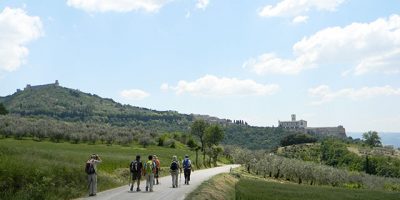
For anyone walking the Via Francigena from Lucca to Rome, the Val d’Orcia is not a backdrop, it is the journey itself. Several days of the route pass directly through this valley, making it one of the most memorable stretches of the entire pilgrimage. The landscape here is exactly what most people picture when they imagine Tuscany: golden fields, winding gravel roads, and a profound sense of timelessness that connects modern walkers to the millions who have made this same journey over centuries.
The Val d’Orcia section is also covered in the 5 spectacular places on the Via Francigena in Tuscany and it consistently stands out as the stretch that stays with pilgrims longest after the journey ends.
Renaissance Agricultural Landscape
Merchants from Siena settled in the Val d’Orcia in the 14th and 15th centuries. They meticulously planned the area, aiming to create not only an efficient agricultural region but also a visually harmonious and pleasing landscape. Today, the valley remains a protected cultural and natural park.
Key Stops on the Via Francigena through the Val d’Orcia
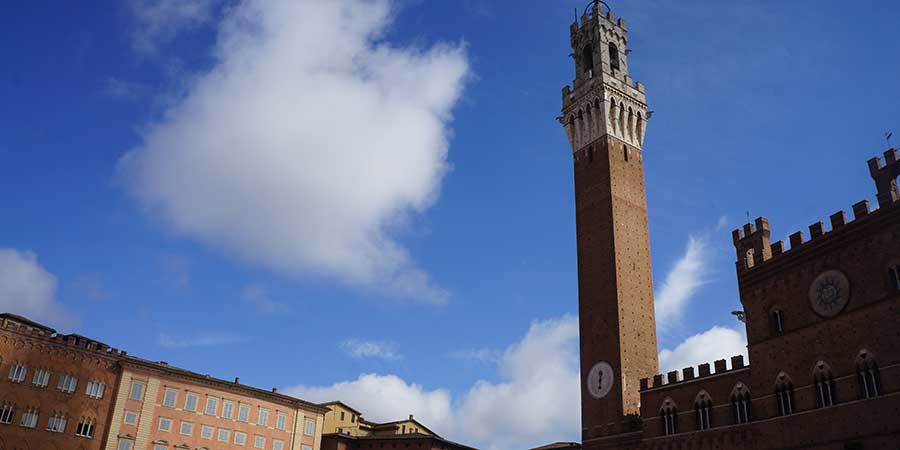
If you begin your Via Francigena journey in Siena, you will traverse the heart of the Val d’Orcia for several days. The route passes through some of the most captivating medieval towns in all of Italy.
San Quirico d’Orcia
San Quirico d’Orcia has long been an important stop on the Via Francigena. Pilgrims traditionally entered the town via Porta Senese and departed through Porta Romana. Via Dante Alighieri splits the town almost perfectly.
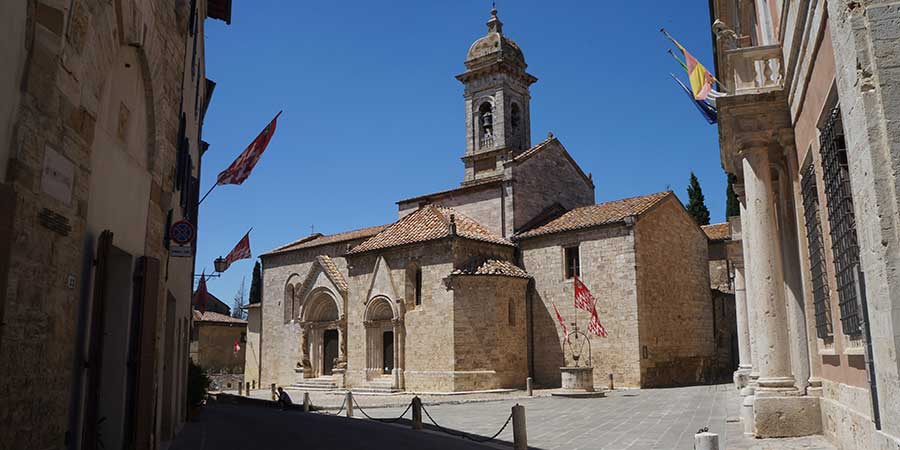
While in San Quirico, enjoy the panoramic views of the Tuscan countryside from the town walls. Explore the Romanesque churches, including the Collegiata of Saint Quirico and Giulietta and the Church of Santa Maria Assunta.
The Horti Leonini gardens are a highlight. They feature Renaissance geometrical gardening and offer a serene spot to escape the sun and enjoy peaceful moments. These gardens truly represent the heart of Val d’Orcia.
Bagno Vignoni
This extraordinary village is built around a large thermal pool rather than a traditional piazza, a peculiarity that has drawn travellers since the Middle Ages. The hot springs of Bagno Vignoni were frequented by pilgrims seeking relief from the physical demands of the journey, and they remain a highlight of any visit to the Val d’Orcia today. A soak in the nearby thermal baths after a long day of walking is one of the great pleasures of this route.
Radicofani
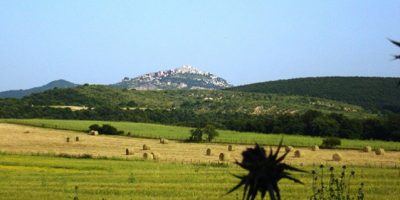
Perched dramatically above the valley at nearly 900 metres, Radicofani is impossible to miss or to forget. The medieval fortress that crowns the town was once a key control point along the Via Francigena, and on a clear day the views stretch across the entire Val d’Orcia and beyond. The ascent is demanding, but the reward is one of the finest vantage points in Tuscany.
Castiglione d’Orcia
A charming hilltop town with winding cobbled streets, Castiglione d’Orcia is dominated by the Rocca d’Orcia, a striking medieval castle. The town’s Piazza Il Vecchietta features a beautiful 15th-century well and offers lovely views over the valley. It is a quieter stop than San Quirico, but all the more atmospheric for it.
Best Time to Visit the Val d’Orcia
You can visit the Val d’Orcia year-round, but certain times of the year offer distinct advantages.
- Spring (March to June): The most popular season for walking. Cooler temperatures, wildflowers in bloom, and the iconic green and gold Tuscan hills at their most vivid.
- Summer (July and August): The heat can be intense, particularly on exposed stretches of the route. Early morning starts are essential. That said, the evenings are long and warm — perfect for lingering over a meal in one of the valley’s hilltop towns.
- Autumn (September and October): Harvest season brings a vibrant, festive atmosphere to the valley. October is particularly rewarding for regional produce: mushrooms, chestnuts, truffles, and the new olive oil harvest. Temperatures are ideal for walking, and the light turns golden and soft.
- Winter (November to February): Quieter and more contemplative. Some services along the route may have reduced hours, but the Val d’Orcia in winter — occasionally dusted with snow — has a stark, cinematic beauty all of its own.
Plan Your Via Francigena Journey through the Val d’Orcia
The Val d’Orcia is one of the most unforgettable stages of the entire Via Francigena pilgrimage route. Whether you are walking the full route from Lucca to Rome or joining for the Tuscany section only, this valley will stay with you long after the journey ends.
For more information about walking or cycling the Via Francigena in Tuscany, or to start planning your trip, contact our team. We can help you with accommodation, luggage transfers and itineraries to ensure a memorable journey through this remarkable region.
→ Related: Via Francigena Guide & Stages | 5 Spectacular Places on the Via Francigena in Tuscany | Via Francigena Lucca to Rome
Frequently Asked Questions About the Val d’Orcia and the Via Francigena
The Val d’Orcia is a valley in southern Tuscany, Italy, named after the Orcia River. It is a UNESCO World Heritage Site, recognised for its exceptional Renaissance landscape of rolling hills, cypress trees, medieval hilltop towns, and carefully designed agricultural land. It is also one of the most scenic sections of the Via Francigena pilgrimage route.
Yes. The Via Francigena passes directly through the Val d’Orcia after leaving Siena, continuing south through towns such as San Quirico d’Orcia, Bagno Vignoni, and Radicofani before continuing towards Rome. It is one of the most memorable stretches of the full Via Francigena from Lucca to Rome.
The key stops are San Quirico d’Orcia, Bagno Vignoni, Castiglione d’Orcia, and Radicofani. Each offers a distinct character — from the thermal baths of Bagno Vignoni to the dramatic hilltop fortress of Radicofani.
The Val d’Orcia section of the Via Francigena typically takes 3 to 4 days on foot, covering roughly 60–70 km depending on your start and end points. Most walkers begin this section in Siena.
Spring (March to June) and autumn (September to October) are the best times to visit. Spring brings cooler temperatures and wildflowers; autumn offers the harvest season, truffles, and golden light. Summer can be very hot, especially on exposed stretches of the route.
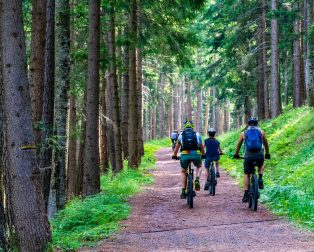
Yes. The Val d’Orcia is excellent for cycling. The route follows the famous strade bianche — white gravel roads through vineyards and cypress-lined lanes. See our Via Francigena cycling route from Lucca to Rome for full details.
It is strongly recommended. The credenziale is your pilgrim passport, stamped at each stop along the route. If you plan to complete the Via Francigena all the way to Rome, you will need it to collect the official Testimonium certificate upon arrival.
The easiest way is to contact our team at CaminoWays. We can help you design a tailor-made itinerary, including accommodation, luggage transfers, and route guidance, whether you plan to walk or cycle. Visit our Via Francigena guide to start planning.