
The beautiful walled city of Lucca stands as one of the true highlights of the Via Francigena, Italy’s celebrated pilgrimage trail from Canterbury to Rome. Many walkers choose to begin their Tuscan journey here, heading south toward Siena through some of the most rewarding walking country in Europe.
While some opt to start in San Miniato and skip the opening days out of Lucca, this is a city that genuinely repays a slower approach. With its cobbled streets, hidden corners, vibrant piazzas, and an energy that feels both ancient and alive, Lucca deserves at least a full day of unhurried exploration before you head out on the Via Francigena in Tuscany from Lucca to Siena.
Here are five things you absolutely should not miss.
Table of contents
1. Piazza dell’Anfiteatro
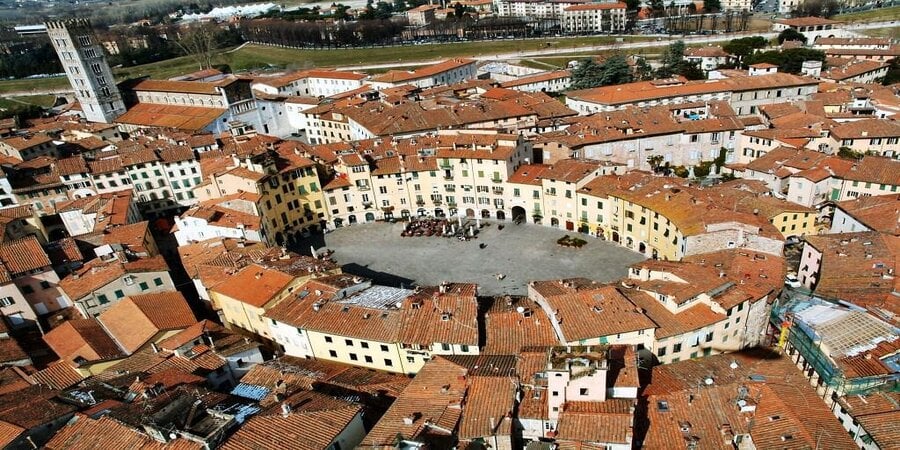
Piazza dell’Anfiteatro is Lucca’s most iconic square; its name gives away its origins. This stunning piazza, with its unique oval shape, is built on the site of a Roman amphitheatre. The tall buildings surrounding the square follow the original structure, creating a striking architectural layout.
The piazza is the perfect spot to bask in the sunshine, sip a coffee, and enjoy a treat from one of the many cafés. During the summer months, the square comes alive with open-air concerts and events, making it a lively and atmospheric place to visit. Whether you’re a history enthusiast or simply looking for a picturesque place to relax, Piazza dell’Anfiteatro offers a wonderful blend of culture and leisure.
2. Stroll the City Walls
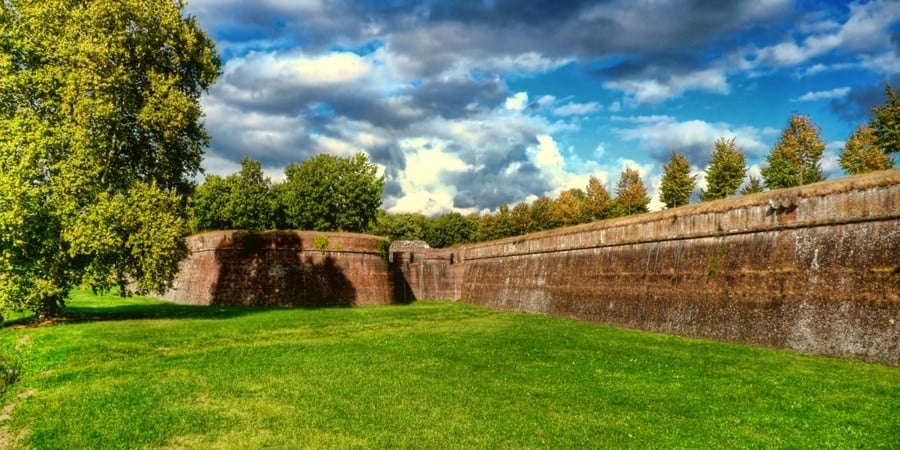
Lucca’s city walls are an extraordinary feature of the town. Originally built in the 16th century, these Renaissance walls encircle the historic centre, forming a 4-km loop around the city. Unlike many other cities, Lucca’s walls were never dismantled and remain intact, providing a fantastic walking, cycling, or jogging route with panoramic views of the city.
Lined with trees, the top of the walls serves as a peaceful promenade, offering breathtaking views of Lucca’s medieval rooftops, towers, and surrounding Tuscan countryside. It’s the perfect way to experience Lucca’s unique atmosphere, with each season bringing its own charm to the tree-lined walk. The walls, which celebrated their 500th anniversary in 2014, stand as a testament to the city’s rich history and enduring beauty.
For pilgrims beginning their Via Francigena journey in Lucca, a morning circuit of the walls offers an ideal orientation to the city and a fitting way to get the legs moving before the real walking begins.
3. Be Inspired by Puccini
Lucca is the birthplace of the world-famous opera composer Giacomo Puccini, and his legacy is ever-present in the city. Music lovers can visit Puccini’s birthplace, now a house museum in the heart of the town. This museum offers an intimate glimpse into the composer’s life, displaying his personal belongings, letters, and original scores.
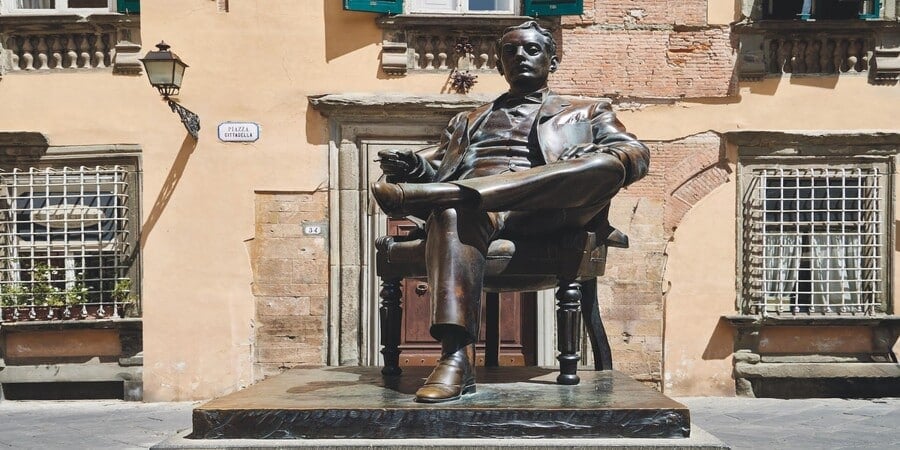
Nearby, in a square close to his birth house, a statue of Puccini proudly stands, paying homage to Lucca’s most celebrated citizen. Throughout the year, you can also enjoy various Puccini-themed events, concerts, and festivals that celebrate his work. Whether you’re a fan of opera or simply interested in Lucca’s cultural heritage, Puccini’s presence adds an artistic and historical dimension to your visit.
4. Discover Lucca’s 100 Churches
Known as the “city of 100 churches,” Lucca is home to many religious buildings. Though visiting them all in one day is difficult, there are a few must-see churches worth exploring.
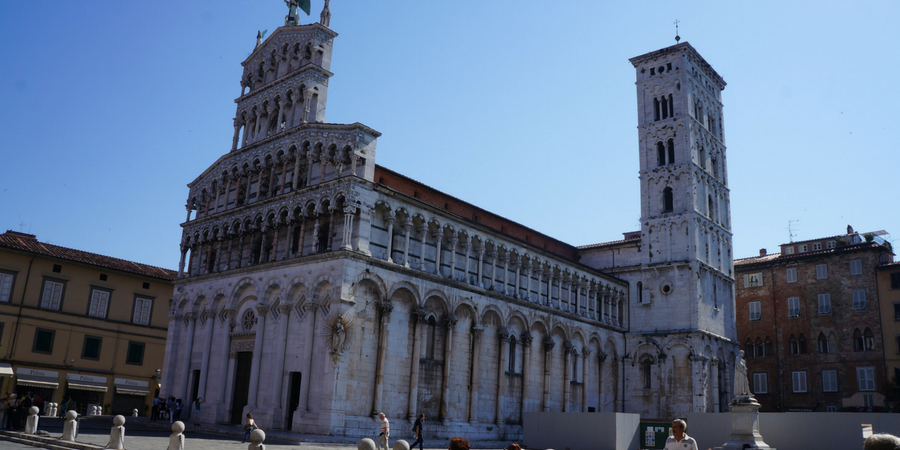
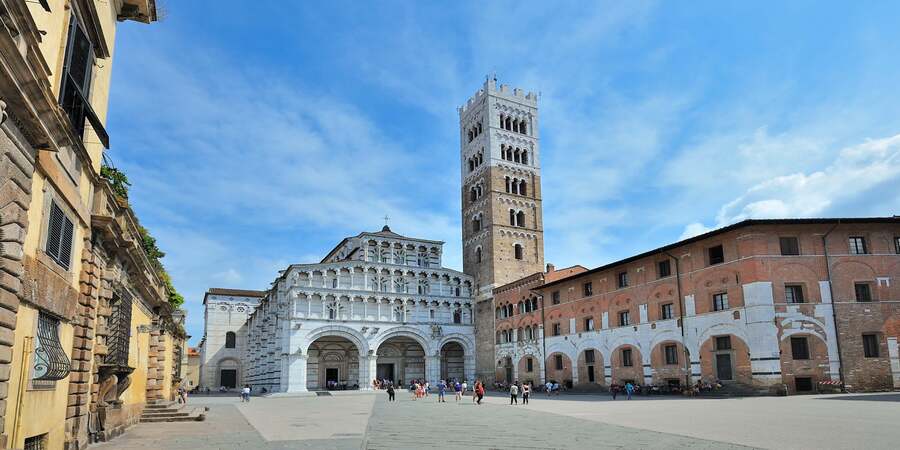
The Duomo di San Martino, Lucca’s cathedral, is one of the city’s most important religious sites. With its stunning façade and intricate interior, the cathedral is a must-see for anyone interested in art and architecture. Another essential stop is San Michele in Foro, a beautiful Romanesque church in the square where the ancient Roman forum once stood.
Each church tells a unique story through its architecture, artwork, and history, giving visitors a deeper insight into the city’s spiritual and cultural significance.
For pilgrims, Lucca’s churches also offer an opportunity to collect stamps for the pilgrim passport: a quiet, practical ritual that connects this visit to the long journey still ahead.
5. Climb the Guinigi Tower for Great Views
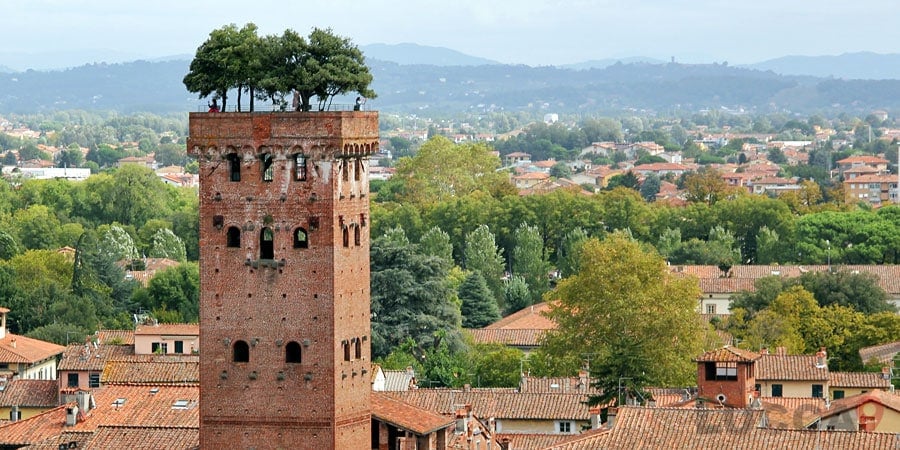
It’s skyline is defined by the Guinigi Tower, one of the most distinctive landmarks in the city. Constructed in the 14th century by the Guinigi family, this tower is notable for its height and rooftop garden.
The rooftop garden, where oak trees have been growing for centuries, offers a unique sight in the heart of the city. These trees, symbolising rebirth and renewal, are a rare and beautiful feature that can be spotted from almost anywhere in Lucca. Climbing the tower’s 230 steps is well worth the effort, as you’ll be rewarded with panoramic views of the entire city and the surrounding Tuscan landscape. It’s an unforgettable experience that gives you a bird’s-eye view of Lucca’s historic beauty.
When to Visit Lucca
Lucca maintains a vibrant cultural calendar throughout the year, and timing your visit around one of its major festivals adds a memorable dimension to any stay.
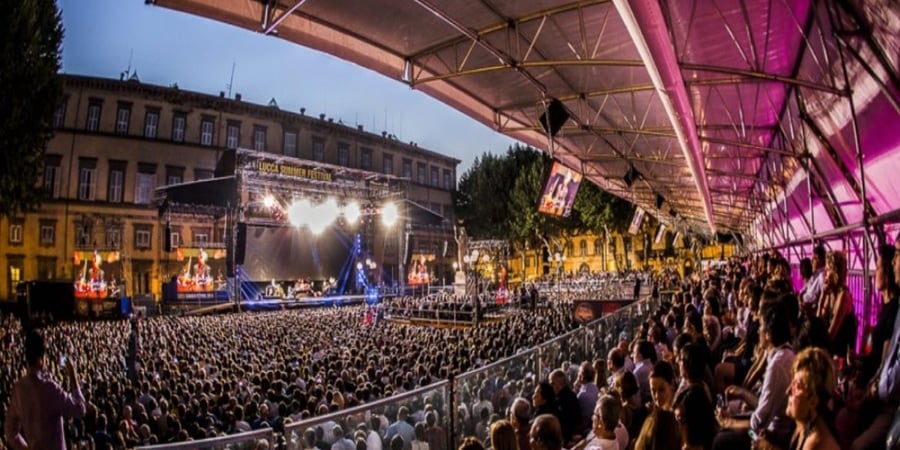
- July brings the Lucca Summer Festival, one of the most popular outdoor concert series in Italy, drawing major international artists to perform in the historic centre. The atmosphere on festival evenings is electric, though accommodation fills up quickly — booking well in advance is strongly recommended if your Via Francigena dates overlap with it. The Puccini and his Lucca Festival runs across multiple dates throughout the year and draws opera lovers from across Europe for performances dedicated to the city’s most famous son.
- October and November mark the arrival of the Comics and Games Festival, the largest event of its kind in Italy — a remarkable spectacle that transforms the medieval streets into something altogether different and draws enthusiasts from around the world.
- Spring and early autumn remain the finest seasons for walking the Via Francigena, and Lucca in those months: uncrowded, mild and bathed in good light.
Practical Information for Pilgrims
- Luggage transfers: Walking with Caminoways means your luggage transfers between accommodations are handled as standard, so you explore Lucca carrying only what you need for the day.
- Fitness preparation: If you are building up to the Tuscan section of the Via Francigena, our Camino fitness plan offers a structured six-month programme worth starting well before your departure date.
- Planning your route: For a full overview of the Italian stages, our Via Francigena articles cover everything from the Tuscany section to the final approach to Rome.
Lucca is a city brimming with history, culture, and beauty. Whether starting your Via Francigena journey or visiting for a day, the city offers countless unique experiences. Exploring it’s ancient city walls, Puccini’s legacy, and the Guinigi Tower offers unforgettable experiences. Lucca’s charm and rich history ensure it leaves a lasting impression on every traveller.
For more information on the Via Francigena or any of the Camino de Santiago routes, contact our travel specialists.
FAQ Lucca
Lucca is one of the most popular starting points for walkers tackling the Tuscan section of the Via Francigena. From here, the route to Siena covers approximately 200km and takes most walkers between 10 and 14 days at a comfortable pace. Those with less time can join in San Miniato and still experience the finest stretches of the Tuscan route.
One full day allows you to cover the main highlights comfortably. Two days gives you time to go at a slower pace, attend an evening event, and leave feeling properly acquainted with the city rather than rushed through it.
Lucca connects easily by train to Pisa (approximately 30 minutes) and Florence (approximately 90 minutes), both of which have international airports. The train station sits just outside the city walls, making arrival straightforward.
The city walls and the surrounding countryside make Lucca an excellent base for cyclists. Caminoways also offers cycling options on the Via Francigena for those who prefer two wheels to two feet.
Caminoways handles everything: accommodation, luggage transfers, route notes, maps and 24-hour support throughout. Get in touch with our travel specialists to start planning your journey.
