
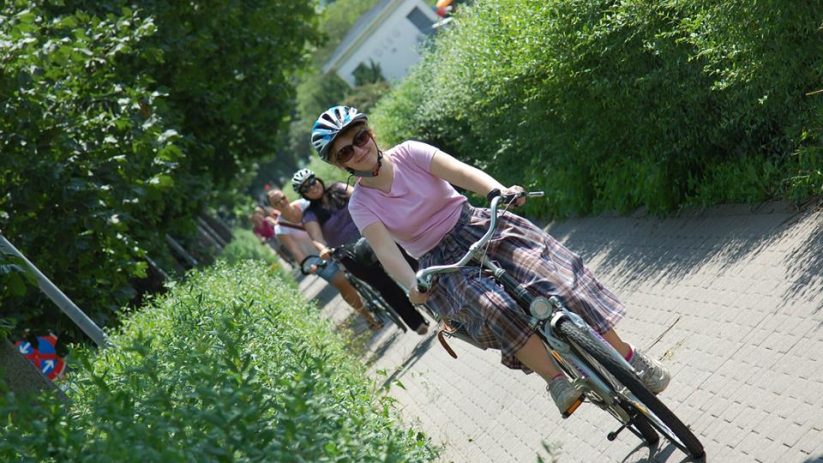
Proper planning and preparation are essential before setting off on your Camino de Santiago journey. To help you get ready, here are our top tips for cycling the Camino de Santiago. Taking time to prepare will make your ride safer, more enjoyable and more rewarding.
If you’re thinking about cycling the Camino for the first time, a little preparation goes a long way. Beyond inspiration and general advice, it’s important to understand how to get ready in practical terms. Our complete guide on how to prepare for cycling the Camino covers everything from training and equipment to daily planning, helping you start your journey with confidence.
Table of contents
1. Wear proper clothing for your trip
Before starting your Camino de Santiago, it’s important to consider the local climate where you’ll be cycling. Pack your gear carefully, taking into account the season and weather conditions you’re likely to face. Being prepared for the climate will help you stay comfortable and enjoy your journey to the fullest.
2. Know how to make minor repairs and adjustments
Regular cyclists know that flat tyres happen often, so knowing how to fix one can save you time and money. Basic bike maintenance skills will be very useful on the Camino. It’s important to learn how to keep your brakes in good condition and make small repairs. Knowing how to fix a slipped chain or tighten bolts is also helpful. Always carry a repair kit when cycling the Camino. If you book with CaminoWays.com, your bike will come with one included.
3. Practical guides for cycling the Camino
While these tips give you a general idea of what to expect, some aspects of cycling the Camino deserve more detailed guidance. Depending on your experience level, you may want to explore the following practical guides before finalising your plans:
- Do I need to wear a helmet when cycling the Camino?
- Do I need to bring my own pedals for a Camino cycling trip?
- What bike gear do I need to bring for a Camino cycling trip?
These guides go into more detail so you can make informed decisions and travel with confidence.
4. Pack snacks and water
Cycling clearly requires a lot of energy, so to avoid running low, pack snacks like bananas, apples, fig bars or other energy-packed treats. Energy bars provide a convenient mix of nutrients to keep you going on the road. Staying hydrated is even more crucial, especially during the summer months. Whether you are walking or cycling, it’s important to drink regularly, aim for about every 30 minutes to maintain your energy and hydration levels.
5. Carry your ID, cell phone and money
Being well-prepared is crucial when cycling. You’ll need your smartphone to access your route map, as most have GPS or internet access to help you navigate easily. If you encounter any issues along the way, don’t hesitate to use our 24/7 assistance phone line for support. It’s also important to carry your ID along with a debit card or some cash, as having identification and money on hand can be very helpful during your journey.
6. Pannier packing tips
Keep your load light and simple by bringing only the essentials for the day’s ride, such as water, food, ID, phone, and money. Your bike comes equipped with a waterproof Ortlieb City Roller pannier pack (20L x 2), which contains a repair kit. This kit includes a pump, tools, a spare inner tube, a patch kit, and basic maintenance instructions to help you stay prepared on the road.
To make your journey even more comfortable, we take care of your main luggage transfers for you, moving your bags ahead to your next accommodation each day. This means you only need to carry what you’ll use during the ride, allowing you to cycle freely and enjoy the Camino without unnecessary weight. Learn more about our Camino luggage transfer service and how it helps you travel light on your Camino cycling trip.
7. Safety first
The most crucial tip for cycling the Camino de Santiago is to prioritise your safety at all times. Before you set off, check that your helmet fits snugly and comfortably without blocking your view. Make sure all bolts are tightened and your brakes are working properly. Take time to study your Camino route before you start cycling. Always stay aware of your surroundings, as you are smaller and less powerful than the cars sharing the road. This makes clear signalling, careful turning, and constant attentiveness essential. Be especially watchful for walkers on busy sections of the Camino, particularly as you near Santiago.
*We recommend cycling the Camino de Santiago only if you have some cycling experience and essential bike maintenance knowledge.
You might also want to read for more detailed information:
Choosing the right route also plays a big role in how enjoyable your cycling experience will be. Some Camino routes are better suited to cycling than others, depending on terrain, distance, and daily stages.
If you have more questions or need help planning your trip, feel free to contact our team.
FAQs: Tips for cycling the Camino de Santiago
Most cyclists ride between 40 and 70 km per day, depending on the route, terrain and personal fitness level.
No. Luggage transfers are available, so your main bag is transported ahead to your next accommodation and you only carry daily essentials.
Some routes are more suitable than others due to terrain and infrastructure. Popular options include the Camino Francés and the Camino Portugués.
Yes. Cycling allows you to cover more ground each day, making it a great option if you have limited time but still want to experience the Camino.
Preparation is key. Training in advance, choosing the right route and travelling light all help make the experience more enjoyable.
