

September is one of the busiest months on the Camino, with walkers and cyclists sharing the trails. Understanding good bike etiquette on the Camino is essential to ensure a safe, respectful, and enjoyable experience for everyone. As cycling continues to grow in popularity, knowing how to ride considerately helps preserve the unique spirit of the Camino de Santiago.
You can travel most stages and routes of the Camino de Santiago by bike (a mountain bike is probably the best option). In general, you will be cycling double the amount of km covered by pilgrims on foot. For example, you can cover the whole Camino Frances in two weeks or the Camino Portugues from Porto in just over a week. You can travel most Camino routes by bike, often covering double the daily distance of walkers. If you’re new to cycling the Camino de Santiago, it’s worth understanding how cycling works and how to share the trail responsibly.
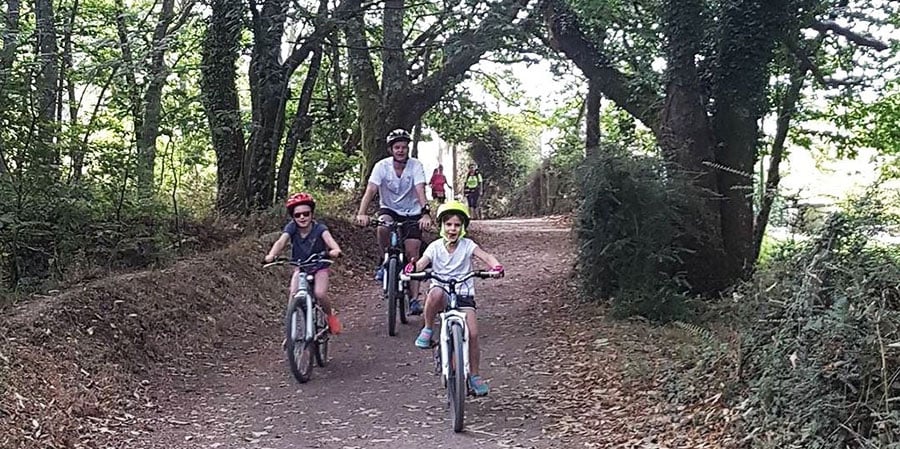
Sharing the Camino: Walkers and Cyclists
As the routes get busier with walkers and cyclists, particularly the Camino Frances, it is essential to keep specific basic rules in mind to make the Camino experience a great one for everyone: walkers and cyclists alike. Some basic rules apply:
- Be heard: If you are cycling and following the same path as the walkers, make sure you make yourself heard with your bell for example or with a ‘Buen Camino!’ or another salute as you approach them.
- Listen: as a walker, don’t get irritated by bike bells; this is just the best way for cyclists to let you know they are approaching.
- Alternative routes: as a cyclist, be aware that in certain areas, you might be able to follow an alternative way, more suitable for bikes and away from walkers. This information is generally available in guidebooks/maps and signposted in some parts of the Camino trail.
- Narrow paths: It might be easier to get off your bike in narrow areas busy with walkers.
- Respect other pilgrims: it all comes down to the simple rule of respecting other pilgrims, above all, be polite to other, more vulnerable users of the route. For example, keep your speed low in busy stretches to avoid surprises. Walkers should also be aware the trail is shared with cyclists so if there is a path provided for walkers, separately from cyclists, please stay on that path and respect the cycling lane. If encountering pilgrims on horseback, give them enough space when overtaking so the animals don’t get scared.
- Be Safe: Cyclists are required by Spanish law to wear a helmet outside urban areas. You can read more about when a helmet is required on the Camino here.
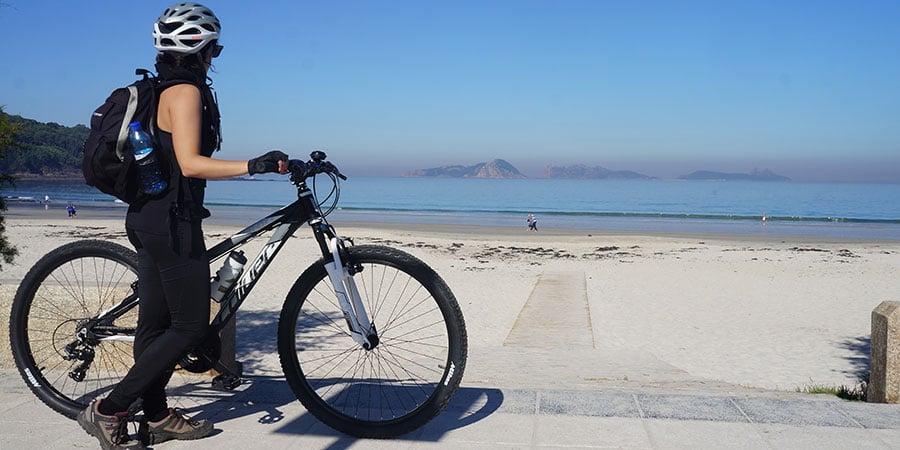
If you want to cycle the Camino on the Camino Francés, you can explore our cycling packages for bicigrinos and Camino pilgrims by bike, or browse our Camino cycling collection to discover routes and itineraries explicitly designed for cycling.
For more information about the Camino de Santiago by bike or to book your cycling holiday, contact our travel specialists
Respecting walkers, fellow cyclists, and the trail itself is at the heart of the Camino experience. Good bike etiquette not only keeps everyone safe but also preserves the sense of community that makes the Camino so special.
If you’re considering cycling, you may also want to read our overview of cycling the Camino de Santiago or explore specific cycling routes to find the option that best suits you.

Frequently Asked Questions
Q: Do cyclists have priority over walkers on the Camino?
A: No. Walkers always have priority. Cyclists should slow down, politely warn walkers, and pass with care.
Q: How should cyclists alert walkers when approaching?
A: Using a bike bell or a friendly greeting like “Buen Camino” is the best and most respectful way.
Q: Are there routes on the Camino that are better for bikes?
A: Yes. Some sections have alternative routes that are more suitable for cyclists and help reduce conflict with walkers.
Q: Is wearing a helmet compulsory when cycling the Camino?
A: Yes. Spanish law requires cyclists to wear a helmet outside urban areas.
Q: What should cyclists do on narrow or busy paths?
A: It’s often best to slow down or get off the bike to avoid startling walkers and to keep everyone safe.
