
Walking the Via Francigena from Canterbury to Rome is a remarkable adventure, whether on foot or by bike. Along the way, you will discover a variety of accommodation options, from luxury hotels to rustic farmhouses, each adding its own charm to the journey. To help with your planning, here is an overview of the most popular types of places to stay along this historic route.
Table of contents
Agriturismo Farmhouses
Agriturismo farmhouses are a wonderful way to experience the charm of rural life in the Italian countryside. Most are family-owned and carefully maintained, offering guests both comfort and authenticity. Depending on the village, an Agriturismo might feel rustic and traditional, or it may rival the luxury of a five-star hotel.
Many Agriturismo owners are farmers first and hosts second. They grow their own produce, which means guests often enjoy fresh olive oil, local wine, and seasonal crops during their stay. The concept of Agriturismo was introduced in the 1980s to help farmers connect with visitors and take part in the modern economy. For those walking the Via Francigena, these unique properties can be found along many stages of the route. While holidaymakers from major cities sometimes struggle to find or reach them, pilgrims benefit from their location on the path itself.
Bed and Breakfast
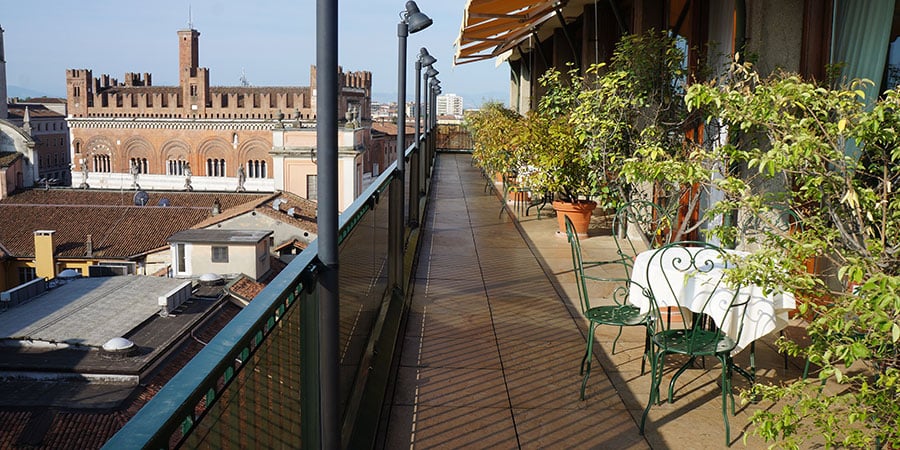
Bed and Breakfast accommodation is widely available along much of the Via Francigena, from the UK all the way to Rome. In Britain, B&Bs are a familiar choice, offering a comfortable night’s sleep and a hearty full English breakfast.
In Italy, B&Bs may at first seem similar to Agriturismo stays, but there is an important difference. Agriturismo properties are farm-based, while B&Bs are usually located in towns, villages, or cities. Staying in a family-run Italian B&B is a welcoming experience, offering travellers the chance to glimpse traditional family life. Each morning, guests are served a delicious breakfast, making it a cosy and homely option.
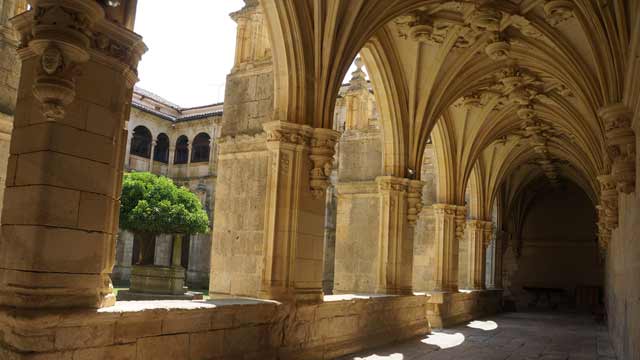
Convents and Monasteries
In some remote villages along the Via Francigena, parishes offer simple accommodation to pilgrims. These may be found in convents, monasteries, or even schools, with a small fixed charge for lodging. Unlike the Camino de Santiago, where pilgrim accommodation is more common, these establishments along the Via Francigena do not see many walkers and are often run by people who balance hosting with other work in the village.
It is worth noting that many of these smaller places close during July and August for holidays, and some also shut at least one day each week throughout the year. This makes forward planning especially important if you are relying on this type of accommodation.
Accommodation Standards
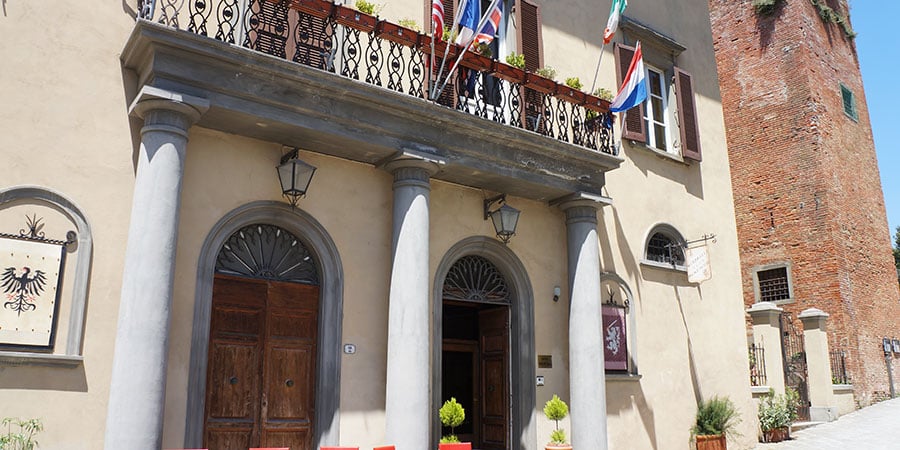
Unlike hostels, which are more basic, the accommodation available on the Via Francigena is of a high standard. Rooms generally include private bathrooms, and for those seeking more comfort, luxury upgrades are available. Travellers who prefer the best possible experience can choose from premium options, ensuring their stay is both comfortable and memorable.
Planning Ahead
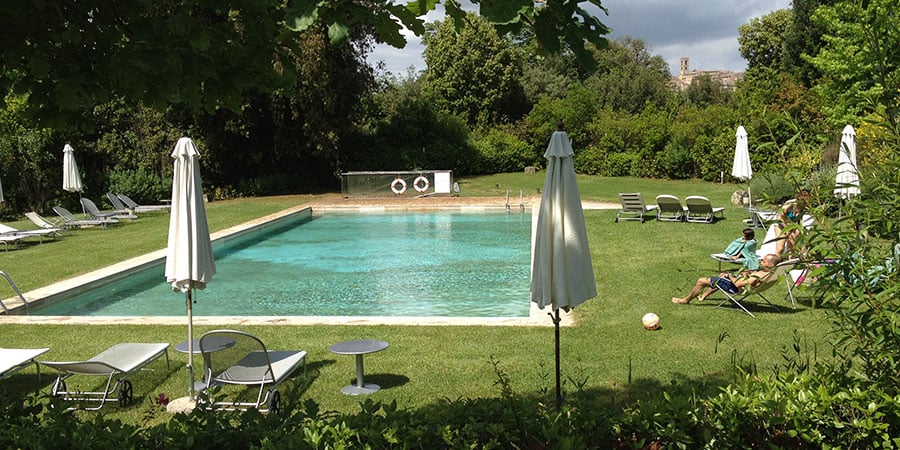
In many smaller towns and villages along the Via Francigena, accommodation can be limited. This is especially true in rural parts of France and Switzerland, where budget-friendly stays are harder to find. Booking well in advance is recommended to avoid disappointment and to secure the best options available.
A few practical rules:
- Book early for spring and autumn. April–June and September–October are the most popular months on the Tuscany sections. The best agriturismos and guesthouses on stages like San Gimignano, Monteriggioni, and Siena can fill up several months in advance.
- Check winter availability carefully. Many rural agriturismos and smaller guesthouses close between November and March. If you’re walking in winter, the accommodation picture is significantly thinner — longer stages between open properties are sometimes unavoidable, and transfers may be needed.
- Book Siena and Rome with extra nights. Both cities reward time. Arriving with only one night before moving on means missing too much. Most walkers add at least one extra night in Siena and two or three in Rome at the end of the journey.
- Festival dates need very early booking. Siena during the Palio (2 July and 16 August) and Rome at Easter fill months in advance. If your itinerary coincides with either, treat accommodation as the first thing to confirm, not the last.
- Use luggage transfers. Having your bag moved between accommodations daily means you walk with only a daypack — transforming the experience on longer stages. All CaminoWays itineraries include luggage transfer as standard.
It is also helpful to learn a few basic Italian phrases before travelling. This makes communication with hoteliers and hosts easier and shows respect for the local culture. A little preparation goes a long way in ensuring a smooth and enjoyable journey. Our free Via Francigena beginner’s ebook covers everything you need to know before setting off — from packing to planning your stages.
Final Thoughts
The Via Francigena offers a range of accommodation to suit different needs, from rustic farmhouses to family-run B&Bs and simple convent stays. Careful planning, especially in remote areas, will make your walk even more enjoyable. With the right choice of accommodation, your journey along this historic route will be as comfortable as it is memorable.
For more information about the accommodation along the Via Francigena or to book your next Camino please contact us.
FAQ: Via Francigena Accommodation
What type of accommodation is available on the Via Francigena?
The main types are agriturismos (working farmhouses), small hotels and guesthouses, B&Bs, and — in some villages — convents and monasteries. There are no pilgrim hostels with shared dormitories on the Italian sections. All standard CaminoWays accommodation includes private rooms with en-suite or private bathrooms.
Is the accommodation on the Via Francigena included in CaminoWays packages?
Yes. All CaminoWays Via Francigena itineraries include pre-booked accommodation throughout, along with breakfast daily and luggage transfers between properties.
Can I upgrade my accommodation on the Via Francigena?
Yes. Superior Collection and country cottage upgrades are available on most stages, subject to availability. These should be requested at the time of booking. Contact our travel specialists to discuss options.
How far in advance should I book accommodation on the Via Francigena?
For peak months (April–June and September–October), 3–6 months ahead is recommended for the popular Tuscany stages. For Siena during the Palio or Rome at Easter, book as early as possible — sometimes a year in advance.
Is accommodation available in winter on the Via Francigena?
On lower sections in Tuscany and Lazio, yes — but the options are significantly more limited than in peak season. Many agriturismos and rural guesthouses close between November and March. Mountain sections are not walkable in winter. Always confirm availability well in advance for any winter itinerary.
What is an agriturismo and why is it special on the Via Francigena?
An agriturismo is a working farm that hosts guests — typically in converted farmhouse accommodation on the property. Many serve dinners made from their own produce: olive oil, wine, vegetables, cured meats. For walkers on the Via Francigena, they’re often located directly on or just off the trail, making them ideal base points for each stage. They’re one of the most distinctive and memorable parts of the Via Francigena experience.
Are there pilgrim hostels on the Via Francigena like on the Camino de Santiago?
No. The Via Francigena does not have the network of pilgrim-specific albergues that exists on the Camino. Accommodation is in private rooms throughout.
