So you have decided to do the Camino on two wheels. Congratulations, you are in for an amazing cycling adventure. If you haven’t been on a cycling holiday before, this can be a daunting task, but we’re here to help. Thousands of people cycle the Camino routes each year from all around the world. We’ve covered which routes are best for cycling and how to navigate them.
You don’t need to train like a professional cyclist, but regular riding will help your body adapt. Aim to practise cycling at least half of your expected daily distance and gradually build up. Try to ride on mixed terrain rather than only smooth roads, as many Camino sections include gravel paths, forest tracks and rural trails.
To prepare for cycling the Camino de Santiago, it’s important to train in advance, choose the right route, understand basic bike maintenance, pack suitable cycling gear, and travel light with daily luggage transfers. Proper preparation helps you cycle comfortably and enjoy the Camino with confidence.
Table of contents
Today, we’ll explore how to prepare for cycling the Camino before your trip. Here are a few tips for when you are in planning mode.
Before You Go
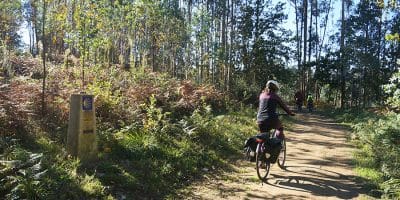
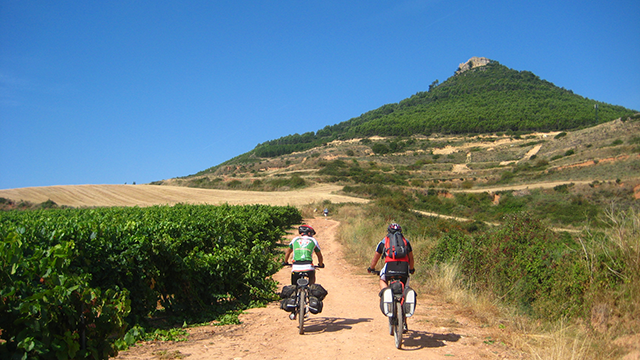
By now, you should be familiar with your itinerary and know what distance you will cover each day. In advance of your trip (3-6 months ahead), you should try to practice cycling for at least half of the distance to get your muscles used to the length of time that you will be out on the trails. It is also a good idea to get off the main roads, as many of the trails on the Camino de Santiago aren’t just smooth roads and paths. Find some forest tracks and cycle on side streets to get a feel for varied terrain.
Bike Maintenance
It is important to get to grips with general bike maintenance before you cycle any of the Camino routes. Do you know how to fix a puncture? Are you familiar with changing the gears on a bike? These are pretty easy tasks once you have a little bit of practice.
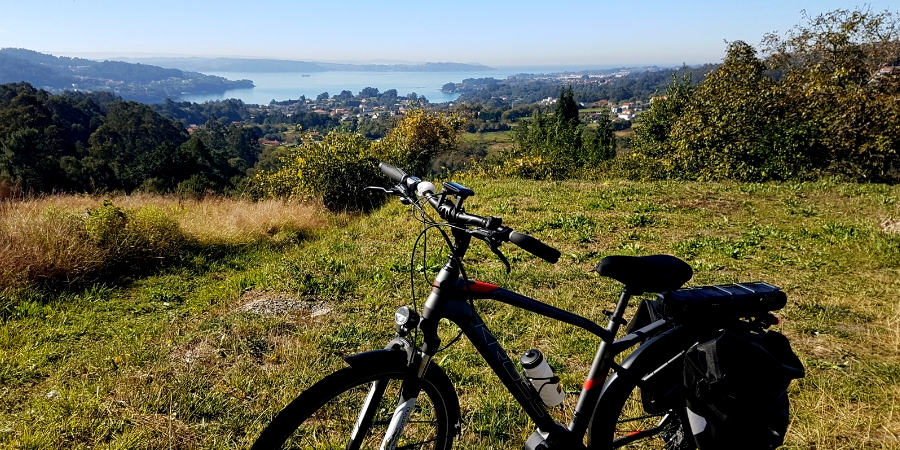
Whether you choose to cycle the Camino on a standard mountain bike or an EMTB e-bike, having basic bike knowledge is important. All the small kits provided with the bikes when you are out on the trails come with handy instructions in English, so don’t worry.
Read through the cycling notes before you go. You will use the notes and maps when you are out on the trails, but it is also a good idea to get to know the route and the elevation each day as you are planning. The elevation profile and the various types of terrain will be outlined in your notes.
During the trip
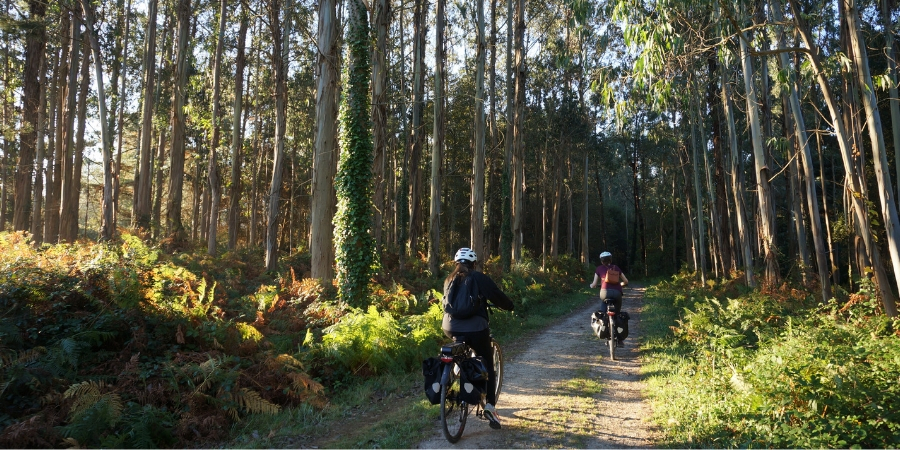
- To start with, make sure the pedals are securely tightened, and the handlebar is straight (Use the tool kit supplied if needed).
- Place paniers correctly, making sure they don’t touch the wheels, and any straps are secured so they won’t get stuck in the wheels.
- Particularly on long trips over a week, make sure the chain is relatively clean (wipe any dust from the chain with a cloth in the evening), and check that there are no leaves or twigs stuck in the chain that could damage it.
- If you are using an electric bike, keep an eye on the battery and charge it each night.
What clothing will I need?
It’s always best to use common sense when packing for your cycling trip. Keep a close eye on the weather forecast. If you are expecting a lot of sunshine, then you will need a sun hat and plenty of sunscreen. Whereas if you expect rain, you will need some waterproof outdoor gear.
Packing sensibly is an important part of preparing for a cycling Camino. Clothing should be practical, breathable, and suitable for changing weather conditions.
Unlike walking the Camino, long rain jackets and loose clothing are not ideal for cycling. Instead, focus on:
- a short waterproof jacket
- padded cycling shorts or leggings
- gloves with good grip
- lightweight layers for early mornings
Visibility is also important. A high-visibility vest is recommended, especially in poor weather or low-light conditions.
A helmet is essential for safety and legally required in Spain. You can read more in our guide on wearing a helmet when cycling the Camino.
For a full overview of equipment, see:
Travel light with luggage transfers
One of the biggest advantages of cycling with CaminoWays is that your main luggage is transferred for you each day. This allows you to cycle with only a pannier carrying daily essentials such as water, snacks, phone and personal items.
Travelling light makes cycling more comfortable and reduces fatigue, especially on longer stages. You can learn more about how this works in our guide to Camino luggage transfers.
The Most Popular Camino Routes to Cycle
Choosing the right route is also part of preparation. Some Camino routes are more suitable for cycling than others due to terrain and daily distances. Our guide to the Camino de Santiago cycling routes can help you compare options. Some Camino routes are especially popular with cyclists due to their terrain and stage structure, including:
Preparing for cycling the Camino de Santiago doesn’t need to be overwhelming. Focus on building confidence, understanding your route, and packing smartly. With the right support, cycling the Camino is accessible to many people with a reasonable level of fitness.
For personalised advice or help choosing a route, feel free to contact our team.
FAQs: How to prepare for cycling the Camino de Santiago
You should have a reasonable level of fitness and be comfortable cycling several days in a row, but you do not need to be a professional cyclist.
Most cyclists cover between 40 and 70 kilometres per day, depending on the route and terrain.
Some cycling experience is recommended, especially on varied terrain, but many people successfully cycle the Camino with proper preparation.
Yes. Wearing a helmet is legally required in Spain and strongly recommended on all Camino cycling routes.
It’s best to start preparing three to six months before your trip, depending on your fitness level and experience.