
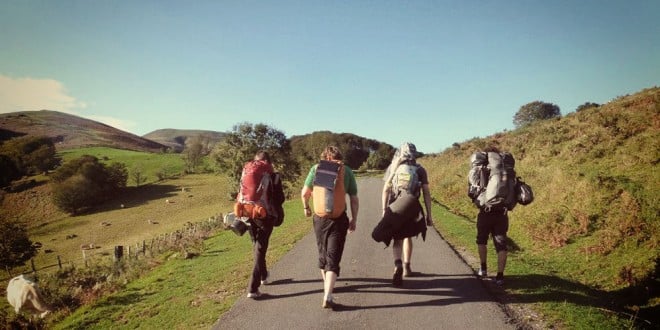
Know yourself, Camino Preparation Tip #1
Planning to walk the Camino de Santiago? The very first step in any good Camino preparation is knowing yourself — your current fitness level, your physical condition, and how much time you have to prepare.
This is Tip #1 of the Camino Preparation Programme by Peter from D-Pete Health & Fitness Clinic in Dublin. It is the foundation on which everything else is built. Before you worry about routes, kit, or distances, take stock of where you are starting from. Our full Camino Fitness Plan gives you a structured six-month programme to follow from day one — but it all starts here.
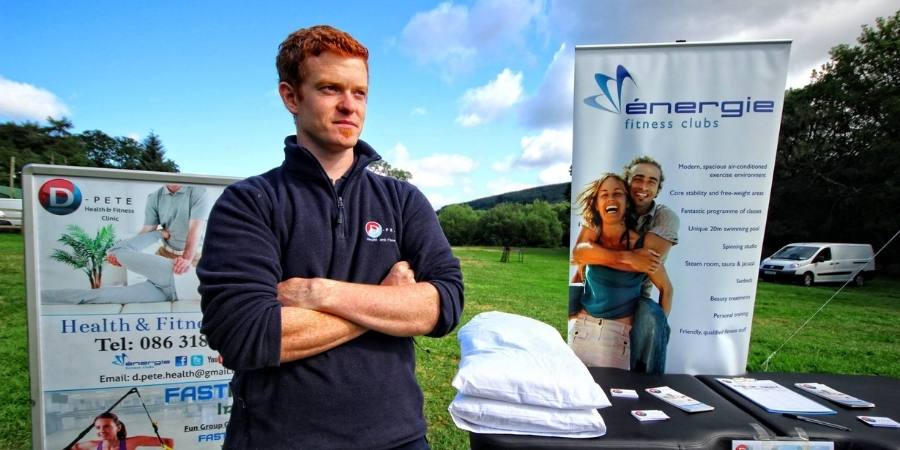
By Peter, D-Pete Health & Fitness
Hello Camino enthusiasts! I am delighted to announce that I will be working along-side the fantastic CaminoWays.com team and I am equally thrilled to have been given the opportunity to provide you with specialist advice on how to prepare for your Camino adventure. I will be offering tips on:
- How to improve your fitness levels How to prevent injury before and during your Camino
- What to expect physically and emotionally along the way
- How to prevent chafing
- How to prevent blisters
- Stretching and warm-ups
- Local trails to hike
- and much more
First, well done and congratulations on signing up for your Camino. This will be an amazing adventure, and one you will cherish for years to come.
Will you be physically able to walk the Camino de Santiago?
One of the most common questions we hear is, “Will I physically be able for this?” The short answer comes in two parts: yes, and you will be. We explore this in more depth in our guide on whether you are fit enough to walk the Camino de Santiago. With six months to prepare, you have ample time to build your fitness gradually and allow your body to adapt to the physical requirements of the Camino. Most walkers cover between 20 and 25 km a day on the popular routes, so steady, consistent preparation makes all the difference.
Camino Preparation Tip 1: Know Yourself
So first things first, 2 Questions:
What is your physical condition?
We recommend a visit to your GP for an overall check-up before you set off. If you have a health concern or condition, understanding the implications of sustained physical activity is essential. This knowledge is worth its weight in gold and will help you minimise any problems that might arise along the way. Being informed means being prepared.
Are you in good shape?
If you are not yet in regular training, now is the time to begin a fitness programme that is consistent, realistic and enjoyable. Peter has created a six-month general program designed to get you Camino-ready, and it is already available on our website.
For your first month, aim to exercise for at least 25 to 30 minutes, three times a week on alternate days, combining walking with gentle jogging. Wear your hiking gear as you train and keep your routes varied, mixing hills, steps and uneven terrain to mirror the conditions you will meet on the Camino.
Already in good shape and exercising regularly? Wonderful, keep it up. Just remember to keep challenging yourself: take on more demanding hikes and build on your existing routine so that it matches the specific demands of your chosen Camino route.
But remember you still need to challenge yourself.
Take more difficult hikes; add to your existing fitness programme always making sure that it works in accordance with the demands of your Camino route.
Continue reading our preparation and fitness plan by D-Pete:
- T-Rex Syndrome, Camino Preparation Tip #2
- How to prevent chafing, Camino Preparation Tip #3
- Motivation, Camino Preparation Tip #4
- Heel Pain, Camino Preparation Tip #5
- Shin Splints, Camino Preparation Tip #6
- Camino Fitness Plan – 6-month Preparation Programme
If you have booked your Camino and would like to discuss any of the tips or action plan with us, please reach out on the form below and we will be happy to give you more advice on walking or cycling the Camino:

FAQs
We recommend giving yourself around six months to prepare for the Camino de Santiago. This allows your body to adapt gradually, build stamina and strengthen the muscles and joints used in long-distance walking, while reducing the risk of injury. If you already walk or exercise regularly, you may need less time, but a longer runway always makes the experience more enjoyable. Begin with shorter sessions of 25 to 30 minutes, three times a week, then steadily increase your distance, add hills and uneven terrain, and practise in the gear you plan to wear. Consistency matters far more than intensity.
It is strongly recommended to have a check-up with your GP before starting Camino training, particularly if you have an existing health concern or condition. Walking over consecutive days places real demands on the body, so understanding any implications in advance helps you prepare safely. Your doctor can advise on managing conditions, medication and any precautions specific to you. For more on physical readiness, read our guide on am I fit enough to walk the Camino de Santiago.
You do not need to be an athlete to walk the Camino de Santiago, but a reasonable level of base fitness makes the experience far more comfortable. Most walkers cover between 20 and 25 km a day on the popular routes, often over several consecutive days, so stamina and endurance matter more than speed or strength. With a structured six-month programme, walkers of almost any starting fitness can prepare successfully. If you are unsure where you stand, our guide on am I fit enough to walk the Camino is a helpful starting point.
Yes — beginners and those who are not currently very fit can absolutely walk the Camino de Santiago, provided they prepare sensibly and allow enough time. Start with shorter, manageable walks and build up your distance week by week. Choosing a shorter or gentler route for your first Camino also helps. To avoid common pitfalls, take a look at our guide on the most common mistakes to avoid on the Camino de Santiago before you begin.
Yes — training in the boots, socks and daypack you intend to use on the Camino is one of the most valuable things you can do. New boots need to be broken in over many kilometres to reduce the risk of blisters when walking day after day. Test your full setup on longer walks well before departure. It is also worth thinking about how to emotionally and mentally prepare for the Camino alongside your physical training — arriving in the right headspace is just as important as arriving fit.
