
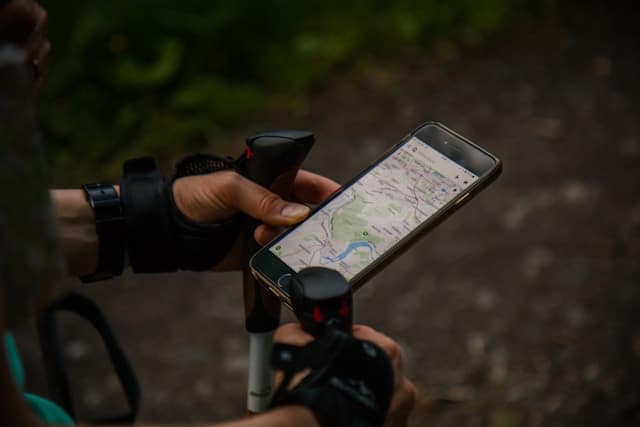
eSIMs on the Camino de Santiago
As you traverse the beautiful landscapes of the Camino de Santiago and beyond, staying connected can greatly enhance your experience. Whether it’s for navigation, staying in touch with loved ones, or sharing your adventures in real-time, having reliable internet access is crucial. This is where eSIM technology comes into play. Offering convenience, flexibility, and cost savings, eSIMs are revolutionising how pilgrims stay connected on the Camino. This guide will explore eSIMs, their benefits, smartphone compatibility, and some top eSIM providers to consider for your pilgrimage.
What Are eSIMs?
In our increasingly digital world, staying connected during travels has become essential. An eSIM, or embedded SIM, is a modern alternative to traditional physical SIM cards. Unlike physical SIM cards, which must be inserted into your device, eSIMs are built directly into your smartphone or device. They allow you to activate a cellular plan from a carrier without needing a physical SIM card.
Do You Actually Need an eSIM on the Camino?
It depends on where your phone contract is from:
- EU and EEA (including Ireland): under EU “Roam Like at Home” rules, you can use your normal plan in Spain at no extra cost, within fair-use limits. Most pilgrims from the EU won’t need an eSIM at all.
- UK: since Brexit, many UK networks charge a daily fee to use your allowance in Spain, usually around £2–£3 a day. On a 30-day Camino Francés, an eSIM often works out much cheaper. Check your network’s roaming policy before you go.
- US, Canada, Australia and elsewhere: roaming in Spain can be expensive, so a travel eSIM is usually the simplest and most affordable option.
Benefits of eSIMs for Pilgrims on the Camino
Seamless Connectivity
One of the biggest advantages of eSIMs for pilgrims is seamless connectivity. With an eSIM, you can switch between mobile networks without changing SIM cards. This means you can easily stay connected as you walk through different regions, ensuring you have access to maps, guides, and emergency services at all times.
Convenience
eSIMs eliminate the hassle of dealing with multiple physical SIM cards. You can activate a new plan instantly, often through an app, without finding a local store. This convenience is particularly valuable for Camino, where finding a mobile store might not always be easy.
Cost-Effective
Using an eSIM can also be more cost-effective. Many eSIM providers offer competitive rates for data plans tailored to travellers, which can help you avoid expensive roaming charges when using your home country’s SIM card abroad.
How Much Does an eSIM Cost for a Week?
Prices vary by provider and by how much data you need. As a guide, at the time of writing:
- Holafly: unlimited data plans for Spain cost around US$27–29 for 7 days, with longer plans working out cheaper per day.
- Airalo: smaller, flexible packages, starting at around US$4.50 for 1 GB valid for 7 days. Their 5 GB plan is valid for 30 days and costs around US$10.
- GoMoWorld: plans start from around €3.99, with options from small data packages up to unlimited.
For most pilgrims, 1–2 GB a week is enough for maps, messaging and the odd photo upload, especially if you use albergue and hotel WiFi in the evenings. If you plan to stream, make video calls or share your phone’s data with other devices, an unlimited plan is the better choice.
Prices are indicative and change often. Always check the provider’s website before buying.
Environmental Impact
Another benefit is the reduced environmental impact. eSIMs reduce the need for plastic SIM cards and their packaging. As a pilgrim conscious of the Camino’s natural beauty, choosing an eSIM aligns with environmentally friendly practices.
Compatibility with Smartphones
Most smartphones released in the last few years support eSIM, but not all of them do, so check before you travel. Popular eSIM-compatible models include:
- Apple iPhone: iPhone XS, XR and later models
- Google Pixel: Pixel 3 and later models
- Samsung Galaxy: S20 series, Note 20 and later models, including recent Z Fold and Z Flip models
Good to know for North American pilgrims: iPhone 14 and later models bought in the US, and iPhone 17 models bought in Canada and Mexico, have no physical SIM tray. You can’t buy a local SIM card in Spain for these phones, so an eSIM is the only way to get a local data plan. The iPhone Air is eSIM-only worldwide.
Your phone must be unlocked. If your phone was bought through a mobile network, check that it isn’t locked to that carrier, or a travel eSIM won’t work.
To check whether your phone supports eSIM, go to your device settings. On iPhone, look under Settings > Mobile Data. On Android, look under Settings > Connections or Network & Internet. You can also check the manufacturer’s website.
Examples of eSIM Providers
Several reliable eSIM providers offer great services for Camino de Santiago pilgrims. Here are some examples:
Holafly
Holafly offers eSIM plans specifically designed for travellers. They provide excellent coverage in Spain and other European countries, making them a perfect choice for Camino pilgrims. Their plans often include unlimited data, ensuring you can stay connected without worrying about running out of data.
Airalo
Airalo is another popular eSIM provider that offers a wide range of data plans. With Airalo, you can purchase an eSIM for Spain or a regional plan covering multiple European countries. They offer flexible data packages, allowing you to choose a plan that suits your needs and budget.
GoMoWorld
GoMoWorld provides eSIM plans with extensive global coverage. Their European plans are ideal for pilgrims who may continue their travels beyond the Camino. GoMoWorld is known for its competitive pricing and user-friendly app, which makes it easy to manage your eSIM.
How to Set Up Your eSIM for the Camino
Step-by-Step Guide
- Check Compatibility: Ensure your smartphone supports eSIM technology.
- Choose a Provider: Compare different eSIM providers and select a plan that meets your needs.
- Purchase and Activate: Buy your eSIM plan online. You will receive a QR code or an activation link.
- Install eSIM: Follow the provider’s instructions to install the eSIM on your phone. This usually involves scanning the QR code or clicking the activation link.
- Test Connectivity: Once installed, test your connection to ensure everything works correctly before you start your journey.
Tips for Using eSIM on the Camino
- Backup Plan: Always have a backup communication method if you encounter any issues with your eSIM.
- Data Management: Monitor your data usage to avoid running out unexpectedly. Most eSIM apps provide usage tracking features.
- Local Contacts: Save local emergency numbers and contacts in your phone for easy access.
- Install before you travel: set up your eSIM at home while you’re on WiFi. Most plans only start when you first connect to a network in Spain.
- Download offline maps: coverage is generally good along the main Camino routes, but signal can be weak in remote rural stretches, such as parts of Galicia and the Meseta. Offline maps and route guides are a sensible backup.
- Keep your home number for WhatsApp: you can keep your usual SIM active for calls and texts, such as bank verification codes, and use the eSIM for data. Just turn off data roaming on your home line.
eSIMs offer a modern, convenient and environmentally friendly way to stay connected on the Camino de Santiago. Check that your phone is compatible and unlocked, and work out whether you need an eSIM at all based on where your contract is from. Then choose a reliable provider such as Holafly, Airalo or GoMoWorld, and you can find the right plan for your pilgrimage. Enjoy your Camino with the peace of mind that comes from staying connected.
If you prefer to disconnect from the internet during your pilgrimage and only need WiFi access after your walk, check out our blog on “WiFi access on the Camino“.
eSIM on the Camino: FAQs
I’m from Ireland. Do I need an eSIM on the Camino?
Usually not. Under EU “Roam Like at Home” rules, Irish mobile plans work in Spain at no extra cost, within your operator’s fair-use limits. If you’re walking for several weeks, check your fair-use data allowance before you go.
I’m from the UK. Is an eSIM worth it?
Often, yes. Some UK networks still include roaming in Spain within a data cap, but many charge a daily fee to use your allowance abroad, which adds up over a multi-week Camino. Check your network’s charges and compare them with a travel eSIM.
I’m travelling from the US or Canada. Should I use my carrier’s international plan or an eSIM?
For a short trip, your carrier’s international plan may be convenient. For a longer Camino, daily roaming passes add up quickly, and a travel eSIM is usually much cheaper. You can keep your home line active for calls and texts and use the eSIM for data.
Can I use a Spanish SIM card in an iPhone bought in the US?
Not if it’s an iPhone 14 or later. These models have no SIM tray, so you’ll need an eSIM. The same applies to iPhone 17 models bought in Canada or Mexico.
I’m from Australia. Will an eSIM work on my phone in Spain?
Most recent phones sold in Australia support eSIM and still have a physical SIM slot, so you can keep your Australian SIM in and add a travel eSIM for data. As international roaming packs can be costly over several weeks, an eSIM is usually the more affordable option.
Will I keep my WhatsApp number?
Yes. WhatsApp stays linked to your existing number even when you use an eSIM for data, so you can keep chatting with family and friends at home as normal.
How much data do I need for a week on the Camino?
For maps, messaging and occasional photo sharing, 1–2 GB a week is usually enough, especially if you use WiFi in your accommodation.
When should I install my eSIM?
Before you leave home, while you’re connected to WiFi. Most plans only start when you first connect to a network in Spain.
Will I have signal along the whole route?
Coverage is good along most of the Camino, but it can be patchy in remote rural areas. Download offline maps as a backup.
Contact us for more information about the Camino de Santiago routes or to book your Camino holiday. Enjoy your adventure! Buen Camino!
