
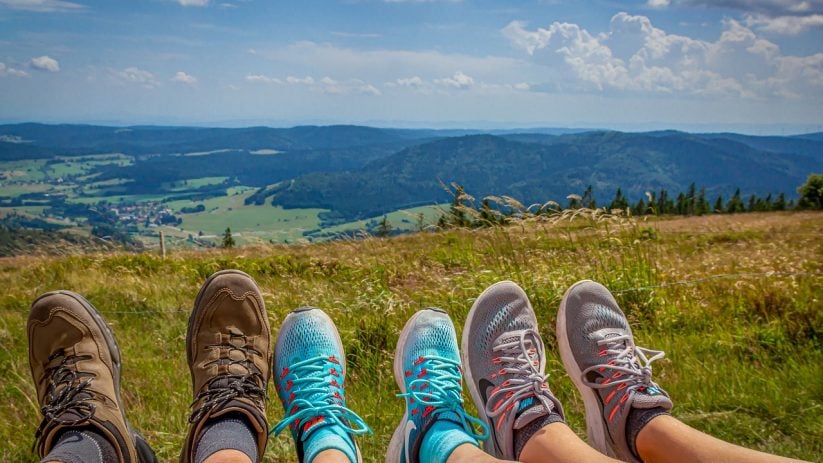
Camino tips: Footcare when you are walking the Camino
Planning to walk the Camino de Santiago? Your feet will carry you hundreds of kilometres — and how well you look after them will determine how much you enjoy every step. From choosing the right footwear to treating blisters on the trail, good foot care is one of the most important things you can prepare for before your Camino.
This guide covers everything you need to know about keeping your feet healthy before and during the Camino. For more on physical preparation, our Camino Fitness Plan and guide on am I fit enough to walk the Camino are great places to start alongside this advice.
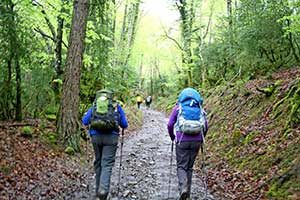
We all want to make the Camino de Santiago journey as comfortable as possible and a few basic do’s and don’ts are not really enough to make it easier on your body and especially your feet. They take a pounding on most ordinary days but what you’re about to put them through means they need to be prepared and you can’t ignore footcare, especially when your feet start to grumble!
Choosing the Right Footwear for the Camino
Preparation starts with your footwear. They need to be breathable so moisture isn’t trapped, sturdy to protect the feet from injury and a good fit. Don’t go out in new boots or shoes — break them in well beforehand, checking seams for rubbing (dry soap rubbed on the inside of the seam can help soften it) and the heels for slipping. Bear in mind the feet will swell in warm conditions. Read our guide on heel pain and plantar fasciitis on the Camino for more on choosing the right footwear.
The Best Socks for the Camino
Socks are an area where a lot of opinions differ. Clean, dry, soft hiking socks are a sound investment — not cotton, as they retain moisture. The seamless ones are best. Don’t expect one pair to last you all day in the heat; carry a few pairs with you and change them regularly to keep the feet dry. Some advise wearing two pairs of thin socks to reduce friction — this is good advice. Using a polypropylene inner sleeve and a wool outer sock has been proven effective.
How to Prepare Your Skin Before the Camino
Skin preparation has people divided. Advice ranges from moisturising well in the weeks before, using Surgical Spirit to harden the feet, or painting on Tincture of Benzoin daily for a couple of weeks beforehand to build a protective layer. Avoid talcum powder in warm conditions — once the foot starts to sweat it becomes a sticky mess that actually increases friction.
Treat any fungal skin infections before you go, as the heat and sweat on the Camino will make them significantly worse.
Conditioning Your Feet for the Camino
Conditioning is paramount. Regular walks help build up endurance, stamina and muscle strength. At any break, air out the feet and keep them cool and dry. Towel them off too. If you get any debris or dirt into your footwear — stop and remove it immediately. Listen to your feet; if they are complaining, deal with it at the time. Our six-month Camino Fitness Plan includes a progressive walking programme designed to build endurance and prepare your feet for the demands of the trail.
How to Prevent Blisters on the Camino
Blisters occur for about 50% of participants in any walking activity. They are caused by heat from friction of the sock on the foot, combined with moisture from sweat which stops the sock from gliding. Keep your feet cool, dry and clean — and when on an evening break let as much air at them as possible. For a full prevention guide, read our article on avoiding blisters on the Camino de Santiago.
If you do get a blister, clean it with soap and water, keep it covered with a sterile dressing and if necessary use a pad to take as much pressure away as possible. If the skin is broken, cut a ring-shaped pad, apply a small amount of antiseptic cream in the centre and cover with a dressing. At night, try to let it dry out. Never remove the roof of a blister — it leaves an open wound vulnerable to infection and an extremely painful hotspot. For step-by-step treatment advice, see our guide on how to treat blisters on the Camino.
How to Treat Heel Hacks on the Camino
Hacks are caused by a break in the skin, normally around the heels, due to dry hard skin which splits under pressure. To treat them on the trail, clean the area well and apply a non-stretch tape — duct tape works well. Place half the tape on one side of the split, push the two sides together with your thumbs, and roll the other half across to hold it closed. This eliminates the pain at each step by keeping the skin together.
If any wound is deep, bleeding or shows signs of infection — redness, swelling or warmth — seek medical advice immediately.
Good luck with your Camino journey and listen to your feet, walk smart!
Guest blog by Keith Gordon BSc (Pod Med) MChS HCPC registered, founder of Limpeeze.com
FAQs
Start with your footwear. Boots or trail runners must be breathable, well-fitted and properly broken in before you set off — never wear new shoes on the Camino for the first time. Your feet will swell in warm conditions, so buy footwear one size larger than usual and test it thoroughly during training. For more on how footwear affects your feet, read our guide on heel pain and plantar fasciitis on the Camino.
Clean, dry, seamless hiking socks made from merino wool or synthetic wicking fabrics are the best choice. Avoid cotton entirely — it retains moisture and increases friction. Carry several pairs and change them regularly throughout the day to keep your feet dry. Some pilgrims swear by wearing two thin pairs to reduce friction — this is sound advice, particularly on longer walking days.
Keep your feet cool, dry and clean throughout the day. Change your socks as soon as your feet feel damp — do not wait until the next rest stop. Air out your feet at every break. Address any hotspots or rubbing immediately rather than pushing on. For a full prevention guide, read our article on avoiding blisters on the Camino de Santiago.
Clean the area with soap and water, cover with a sterile dressing, and use a pad to relieve pressure. If the skin is broken, apply a ring-shaped pad with a small amount of antiseptic cream in the centre and cover with a dressing. At night, let the blister dry out as much as possible. Never remove the roof of a blister — it leaves an open wound vulnerable to infection. For step-by-step treatment advice, see our guide on how to treat blisters on the Camino.
Treat any existing fungal infections before you travel — heat and sweat will make them significantly worse on the trail. Build up your skin’s resilience with regular long walks in your Camino footwear. Some pilgrims use Tincture of Benzoin or Surgical Spirit to harden the skin in the weeks before departure. Avoid talcum powder in hot conditions as it turns into a friction-increasing paste when wet.
Heel pain is most commonly caused by plantar fasciitis — an inflammation of the ligament along the base of the foot. Rest immediately, stretch the calf gently, and apply ice or a topical pain relief gel. Worn-out footwear and a sudden increase in mileage are the main triggers. Read our full guide on heel pain on the Camino de Santiago for prevention and treatment advice.
Hacks are painful splits in the skin around the heels caused by dry, hard skin cracking under pressure. To treat them on the trail, clean the area thoroughly and apply a non-stretch tape — duct tape works well. Place half the tape on one side of the split, push the two sides together with your thumbs, and roll the other half across to hold it closed. This eliminates the pain at each step by keeping the skin together.
The best conditioning is consistent training — regular long walks in your Camino footwear, on varied terrain including hills and uneven surfaces. Build your distances gradually over several months. At every break, remove your boots, air out your feet and towel them dry. Listen to your feet and deal with any discomfort immediately rather than pushing through it. Our six-month Camino Fitness Plan gives you a structured programme to build both fitness and foot resilience before your departure.
