
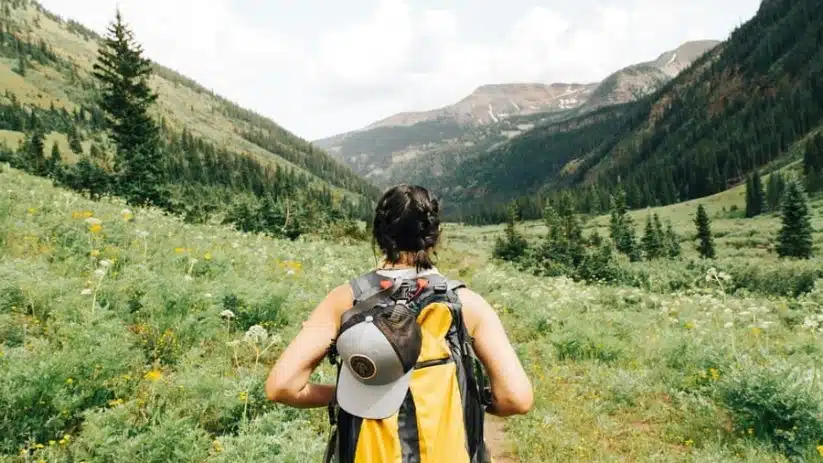
Walking the Camino de Santiago can be a life-changing journey. But let’s not pretend it’s all sunshine, tapas and spiritual breakthroughs. Every year, thousands of pilgrims set off with the best of intentions, only to trip up — sometimes literally — on basic, avoidable mistakes. Whether you are doing the full Camino Francés from Saint-Jean-Pied-de-Port or the last 100km from Sarria, a little preparation and a dose of realism go a long way.
So before you lace up your boots, here are the most common mistakes people make on the Camino — and exactly how to avoid them.
Table of contents
- 1. Packing Everything but the Kitchen Sink
- 2. Starting Like You’re in a Race
- 3. Not Leaving Enough Time (Or Breaks)
- 4. Trying to Keep Up With Others
- 5. Chasing Beds Like It’s a Competition
- 6. Wearing the Wrong Clothes
- 7. Not Prepared for Rain
- 8. Forgetting to Take Photos
- 9. Carrying Too Much Water
- 10. Being Disrespectful Without Realising
- 11. Not Preparing Your Body
- Final Thought on the Common Mistakes
1. Packing Everything but the Kitchen Sink
One of the easiest ways to ruin your Camino is to pack too much. It is tempting to prepare for every possible scenario — but that mindset leads to backpacks bursting with just-in-case items. Ask yourself: do I really need three pairs of trousers? Spoiler: you do not.
Heavy bags cause sore shoulders, blisters and a much harder walk. The general rule is to keep your pack to 10% of your body weight maximum. Bring what you need, wash clothes regularly and trust that Spain is not a desert island — you can buy supplies along the way. Our free Camino packing list will help you nail this from the start. And if you really cannot bear to leave anything behind, our luggage transfer service moves your main bag between hotels each day so you only carry a light daypack on the trail.

2. Starting Like You’re in a Race
It is day one. You are excited. Adrenaline is high. And suddenly you are marching at full speed, overtaking everyone, eager to tick off the kilometres. Bad idea.
The Camino is not a sprint. Overdoing it on day one is one of the quickest ways to get injured or burn out. Your body needs time to adapt to walking long distances day after day. Start slow, find your rhythm and do not fall into the trap of thinking more distance equals more achievement. It really does not. For advice on pacing and how hard the first day actually is, read our dedicated guide.

3. Not Leaving Enough Time (Or Breaks)
Planning every minute of your Camino may seem efficient but it can backfire badly. Many people do not factor in rest days or enough time to recover — especially on longer routes. Walking for hours each day is demanding, and without proper breaks even the fittest pilgrims hit a wall.
You might also want a day off to explore a city, soak your feet or simply sit still. Leave wiggle room in your schedule. The Camino is not just about movement — it is about reflection too. Our Camino Planner makes it easy to add rest days and extra nights wherever you need them.
4. Trying to Keep Up With Others
It’s a social route. You’ll meet plenty of wonderful people. But here’s the trap: matching someone else’s pace, especially if it’s too fast or too slow for you, can be a huge mistake.
The Camino is your journey. Not your friend’s, not that enthusiastic German you met at breakfast, not even your walking buddy’s. It is easy to feel pressure to stick with others, but walking to match someone else can lead to injury or just make you miserable. It is okay to say “let’s meet up later.” For more on this, read our tips for inexperienced walkers — including exactly how to find your own pace from day one.
5. Chasing Beds Like It’s a Competition
Some pilgrims get up before sunrise, rush through the day and race to the next village hoping to claim a bed. That approach can suck the joy out of the walk entirely.
If you find yourself constantly stressing about where you are sleeping tonight, the solution is simple: book ahead. This is especially important in peak season (May, June, September, October) and absolutely critical for the 2027 Holy Year — when pilgrim numbers are expected to break all records and accommodation on the most popular routes is already filling up. All CaminoWays packages include pre-booked accommodation throughout. You are not here to win a bed — you are here for the experience.
6. Wearing the Wrong Clothes
Some turn up in jeans and cotton t-shirts. Others wear brand-new hiking boots straight out of the box. Both are asking for trouble.
Clothes should be lightweight, breathable and quick-drying. Shoes should be comfortable, broken-in and suitable for long-distance walking. You will regret ignoring this after your first blister or chafing disaster — and blisters caught late are one of the most common reasons pilgrims have to stop walking. See our foot care guide, blister prevention tips and blister treatment guide before you leave. Think function over fashion — this is not a catwalk.
7. Not Prepared for Rain
Yes, even in Spain, it rains — often unexpectedly. Many walkers bring a coat but forget waterproof trousers, or vice versa. A lightweight poncho or full rain gear can make the difference between a soggy, miserable slog and a manageable day.
And no, a bin bag does not count as proper rain protection. It tears, it leaks and you will look like a walking compost heap. For a full breakdown of weather by route and season, see our best time to walk the Camino guide and our month-by-month weather guide.
8. Forgetting to Take Photos
You’d be surprised how many pilgrims finish their Camino and realise they have barely any photos. They were so focused on walking, they forgot to document the journey.
You do not need to turn it into a photo shoot, but a few snaps here and there keep the memories alive. Capture the landscape, the people, the funny signs, your weary feet at the end of a long day. One day you will be very glad you did. The Camino de Santiago is one of the most photogenic trails in the world — do not walk through it with your phone in your pocket.
9. Carrying Too Much Water
Yes, hydration is important. But carrying litres of water “just in case” isn’t wise. Water is heavy, and overloading your bag with it makes your walk much harder.
There are fountains, cafés and shops all along the main routes. Refill as you go. Carry enough for a few hours and avoid treating the Camino like a desert crossing. For nutrition and hydration advice on the trail, see our snacks for walking guide.
10. Being Disrespectful Without Realising
Most people don’t mean to be rude. But little things add up. Playing loud music without headphones, leaving rubbish behind, taking up too much space in shared accommodation, or snapping photos of people without asking — it all adds to a sense of entitlement that’s very un-Camino.
The path is shared — with locals, other walkers, and the landscape itself. Respect costs nothing and makes the journey better for everyone. Be the pilgrim others are glad to meet. For more on the culture and etiquette of the Camino, see our beginner’s guide to walking the Camino.
11. Not Preparing Your Body
It did not make the original list but it deserves a mention. Turning up on the Camino without any physical preparation is one of the most common — and most avoidable — mistakes of all.
You do not need to be an athlete. But if you have not walked more than 5km in months and you are about to attempt 20km a day for a week, your body will tell you about it loudly and unpleasantly. Start walking regularly at least 6–8 weeks before your trip. Our Camino fitness hub, 6-month training plan, how to train for the Camino and free Camino fitness ebook are all the preparation tools you need.
Final Thought on the Common Mistakes
The Camino de Santiago is not just a walk — it is an experience shaped by every choice you make, from your attitude to your backpack. Mistakes will happen and that is part of the charm. But with a bit of foresight and a dash of humility, you can sidestep the most common pitfalls and focus on what really matters: being present, being open and walking your own path.
Let the blisters teach you, let the rain surprise you, and most of all let the Camino unfold without rushing it. Because if you are too busy racing, competing or following others, you just might miss the whole point.
Plan your Camino | Contact our team
FAQs about Common Mistakes on the Camino de Santiago
Overpacking is consistently the most common mistake — and the most avoidable. A heavy backpack makes every stage harder and is one of the leading causes of shoulder pain, knee strain and general misery on the trail. Keep your pack to 10% of your body weight and use our luggage transfer service to move your main bag between hotels each day.
Break in your walking shoes thoroughly before the trip — at least 4–6 weeks of regular use. Wear good walking socks, keep your feet dry and address hotspots immediately rather than walking through them. See our complete guides on avoiding blisters, treating blisters and foot care while walking.
Yes — particularly for peak season (May, June, September, October) and absolutely for the 2027 Holy Year. Walking all day only to find no beds available is one of the most demoralising experiences on the trail. All CaminoWays packages include pre-booked accommodation throughout.
Enough for 2–3 hours of walking — usually 500ml to 1 litre. There are fountains, cafés and shops along all main routes. Carrying more than you need adds unnecessary weight. See our snacks for walking guide for full nutrition and hydration advice on the trail.
No more than 10% of your body weight — ideally less. For most people that means 7–10kg including water. Anything heavier compounds over multiple days and causes real physical problems. Use our Camino packing list to keep it light, and consider luggage transfers if you want to carry even less.
Not inherently — but trying to keep up with faster walkers when it is not your natural pace is a common mistake that leads to injury and exhaustion. Find your own rhythm from day one. The Camino rewards those who walk at their own pace, not those who chase someone else’s.
Learn from it and keep going. Every pilgrim makes mistakes — getting lost, walking too far, ignoring a blister for too long. The Camino is remarkably forgiving. If you need help on the trail, all CaminoWays packages include 24/7 support — contact our team any time.
Planning your Camino and want to avoid the most common mistakes from the start? Use our Camino Planner or contact our travel team for personalised advice.

I’m considering walking the Camino de Santiago – your website and information are very helpful –